



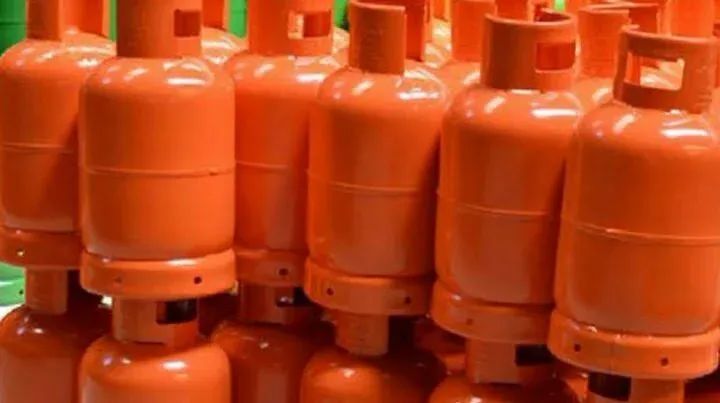
Nigerian households are breathing a sigh of relief as the retail prices of Liquefied Petroleum Gas (LPG), commonly known as cooking gas, have begun a downward trend across major cities. The price correction follows a notable improvement in product supply, softer depot rates, and strict regulatory interventions aimed at curbing market manipulation.
According to market updates from gas marketers, the retail cost of cooking gas now averages between ₦1,100 and ₦1,650 per kilogramme (kg), down significantly from the ₦2,000 to ₦2,500/kg peaks recorded between May and June. However, industry leaders note that the reductions remain uneven due to varying logistics costs, retailer margins, and distance from coastal supply hubs.
Regional Price Variations Across Nigeria
The breakdown of current retail prices reflects persistent distribution disparities between regions:
- Lagos, Ibadan, and Abeokuta: ₦1,100 to ₦1,350/kg
- Benin City, Port Harcourt, and Warri: ₦1,150 to ₦1,400/kg
- Onitsha and Enugu: ₦1,200 to ₦1,450/kg
- Abuja: ₦1,250 to ₦1,500/kg
- Kano and Kaduna: ₦1,300 to ₦1,550/kg
- Maiduguri (North-East): ₦1,350 to ₦1,650/kg
At the neighborhood retail level, where micro-marketers operate out of local shops, prices range slightly higher between ₦1,600 and ₦1,800/kg due to secondary transport costs. Based on current averages, refilling a standard 5kg cylinder now costs between ₦5,500 and ₦8,250, while a 12.5kg cylinder ranges from ₦13,750 to ₦20,625.
Supply Boost and Government Crackdown
Edu Inyang, National President of the Nigerian Association of Liquefied Petroleum Gas Marketers (NALPGAM), attributed the price drop to increased domestic production, fresh imports, and the fading of panic buying.
The market correction is also tied to aggressive state interventions. Following a 140% price surge earlier in the year—partially triggered by supply gaps when local infrastructure faced bottlenecks—the Minister of State for Petroleum Resources (Gas), Ekperikpe Ekpo, convened emergency meetings with industry stakeholders. The federal government subsequently ordered a total enforcement of domestic supply obligations, mandated the prioritization of locally produced gas for home consumption, and directed security agencies, including the DSS and EFCC, to clamp down on hoarding and speculative storage.

To sustain this relief and buffer against a projected 165,000 metric tonne supply gap in the third quarter of 2026, the Nigerian Midstream and Downstream Petroleum Regulatory Authority (NMDPRA) has expanded the issuance of emergency import licenses. Marketers remain optimistic that if local production yields stay steady and logistics bottlenecks are cleared, cooking gas prices could see further moderation in the coming weeks.
For a visual breakdown of this market shift, you can watch this News Central report on the 31% drop in Nigeria’s cooking gas prices, which highlights how the recent government interventions and improved supply dynamics have started driving down retail costs for local consumers.
Do you want to advertise with us?
Do you need publicity for a product, service, or event?
Contact us on WhatsApp +2348033617468, +234 816 612 1513, +234 703 010 7174
or Email: validviewnetwork@gmail.com
CLICK TO JOIN OUR WHATSAPP GROUP