

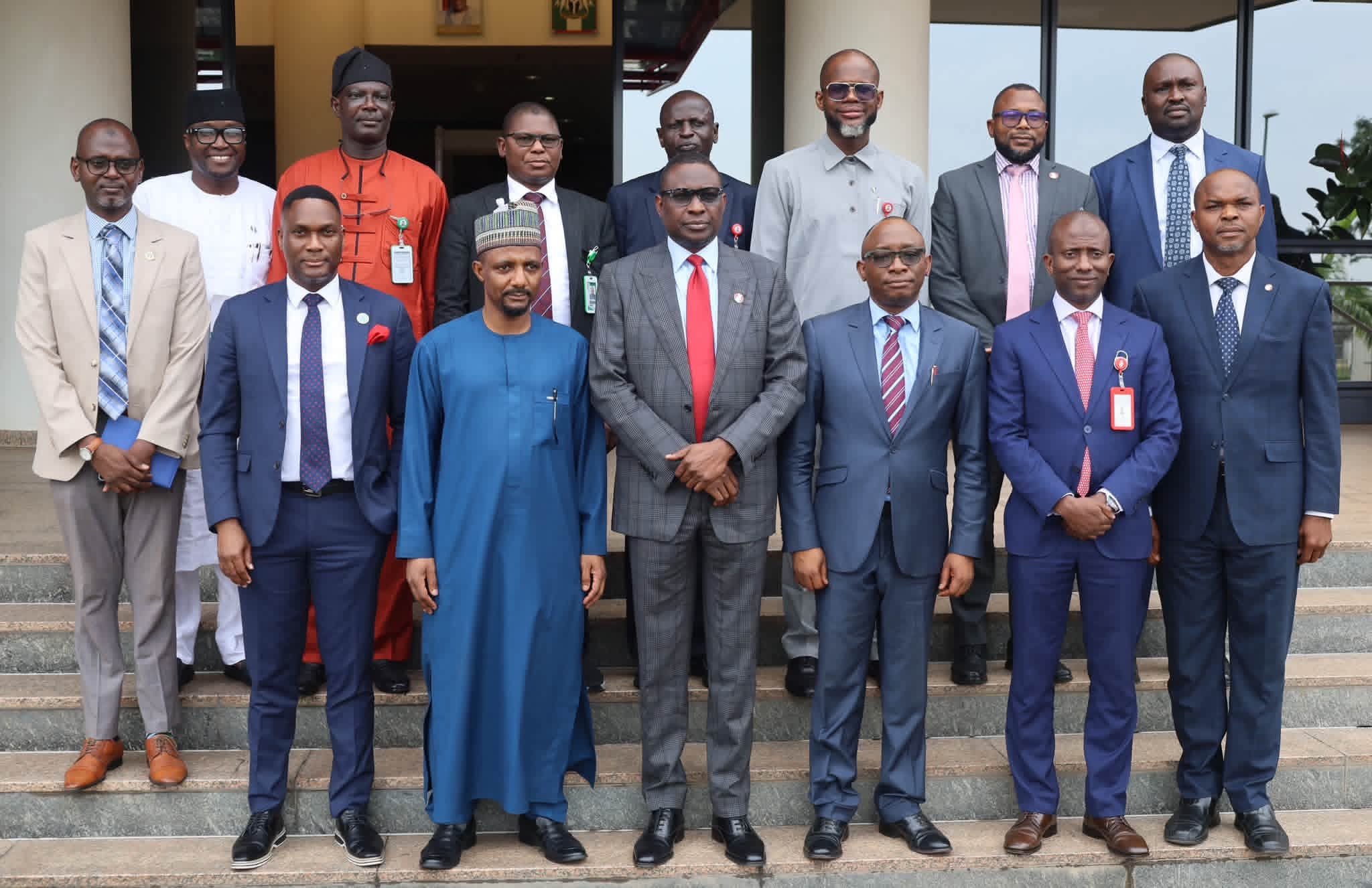
In a strategic move to sanitize Nigeria’s public sector, the Economic and Financial Crimes Commission (EFCC) has spearheaded a landmark collaborative framework with key anti-corruption agencies to tackle the pervasive menace of procurement and contract fraud.
At a high-level roundtable held at the EFCC headquarters in Abuja, the Commission’s Executive Chairman, Ola Olukoyede, emphasized that contract-related malfeasance accounts for over 80 percent of public sector corruption in Nigeria. He noted that the staggering impact of these crimes on the nation’s economy, health sector, and social infrastructure necessitates a fundamental shift in how anti-graft agencies operate.
A Unified Strategy for Prevention
The meeting brought together leadership from the Independent Corrupt Practices and Other Related Offences Commission (ICPC), led by Dr. Musa Adamu Aliyu, SAN; the Code of Conduct Bureau (CCB), headed by Dr. Abdulahi Usman Bello; and the Bureau of Public Procurement (BPP), represented by its Director General, Dr. Adebowale Adedokun.
Olukoyede underscored that the fight against corruption must evolve from a reactive process to a preventive one. By integrating the BPP—the regulatory body overseeing procurement processes—into the enforcement loop, agencies can leverage technical expertise to close loopholes before they are exploited.
”The BPP possesses the technical depth of procurement processes that some of us may not have. If we synergize to establish a sustainable institutional partnership, we can reduce contract fraud to the barest minimum within a year,” Olukoyede stated.
Eliminating Duplication and Enhancing Intelligence
A core outcome of the summit is the move toward a Standard Operating Procedure (SOP) designed to streamline investigations and prevent the overlapping of efforts. The ICPC Chairman, Dr. Musa Adamu Aliyu, highlighted the inefficiency of citizens filing the same petitions across multiple agencies.

”We need to use technology to eliminate duplication,” Dr. Aliyu remarked, advocating for a coordinated approach where cases are directed to the appropriate agency based on their specific legal mandate. The agencies agreed to move toward quarterly consultative meetings to review resolutions and share intelligence.
The Scale of the Challenge
Representing the CCB, Dr. Abdulahi Usman Bello shared alarming data suggesting that Nigeria loses between N7 trillion and N25 trillion annually to corruption. He highlighted that with a public service workforce of approximately five million people, the intersection of NFIU, EFCC, and ICPC intelligence is vital to monitoring systemic corruption.
Do you want to advertise with us?
Do you need publicity for a product, service, or event?
Contact us on WhatsApp +2348033617468, +234 816 612 1513, +234 703 010 7174
or Email: validviewnetwork@gmail.com
CLICK TO JOIN OUR WHATSAPP GROUP
Procurement as the Frontier of Reform
The BPP Director General, Dr. Adebowale Adedokun, provided a technical roadmap for the agencies, highlighting that a weak procurement system is the primary driver of project abandonment, cost overruns, and poor infrastructure. He advocated for a shift in focus toward:
- Legal and Institutional Reforms: Updating and strictly enforcing the Public Procurement Act.
- Digital Procurement: Reducing human interaction to mitigate the risk of bribery.
- Strategic Procurement: Moving beyond post-crime investigation to designing systems where corruption cannot hide.
The strategic meeting concluded with a commitment to joint monitoring and capacity building, marking a bold step toward a more cohesive, data-driven, and proactive approach to eradicating financial crimes in Nigeria.