


One of the songs that has remained etched in my memory was a song we were taught in my days in the Juvenile Choir at CAC, Oke Imole, Agbowo. Ibadan. That was decades ago! It was a thought-provokingYoruba song that addressed modesty, parental correction, and the changing values of society.
The second stanza of the song goes:
Ha, ayè, aye ti do pin tan (2ce)
Ah, the world has greatly changed, going to an end.
Ha, aye, aye ma n lo o ni melo melo
Ah, the world is changing in many different ways, going to an end.
Ki omo ro aso, ki omo ro aso kp ma le de orokun (2ce)
A child wears clothes that cannot even reach the knees.
Ki omo wo gown, ki omo wo gown ko ma le bo ibadi o (2ce)
A child wears a gown that cannot even cover the hips.
Ti Baba ba wi, omo a ni pe ohun ko kere
When the father corrects the child, the child says, “There is nothing wrong with it.”
Ti Mama ba wi, omo a ni pe ohun ko yama
When the mother corrects the child, the child says, “It is not a problem.”
Ko kere, ko yama
“Nothing is wrong with it. It is not a problem.”
Asa isokuso lo wa gba ile aye (2ce)
The culture of dressing half naked has taken over the world.
Aye ma n lo o ni melo melo
The world is changing in many ways, going to an end.
The song lamented the changing values of society, particularly in the area of dressing and modesty. Its message was simple yet profound. It described a time when young girls wore skirts that failed to reach their knees and gowns that could not adequately cover their bodies. Concerned parents would caution them, but the response was often defiant: “Ko kere” and “Ko yama” meaning, “There is nothing wrong with it.”

As children, we sang those words innocently, perhaps without fully appreciating their depth. To us, the song was merely a warning against indecent dressing among young girls. Looking back now, however, I realize that the song was not merely describing a fashion trend. It was documenting a cultural shift.
What was considered unacceptable then has become commonplace today. A skirt that did not cover the knees or a gown that exposed parts of the body was enough to attract correction from parents and elders.
At that time, it was considered absolutely wrong for a lady to expose her body. I know up to a point in our history as a people, it would take a long chase before a lover boy would see what are freely displayed today. Yesteryears we were talking about knees and hips but today we are talking about everything. Sadly, some of these developments have strayed into the church with the excuse that God Almighty is concerned about the heart.

Yesteryears, the concern was about daughters but today, the mothers are competing to out-do the daughters. Shockingly, the discussion has moved from skirts that failed to cover the knees to outfits that leave very little to the imagination. What was once criticized among young girls is now often celebrated among adults. Mothers who were custodians of cultural values appear to be abandoning the standards they once defended. They can now make a clothing with three pieces of handkerchief and proudly stand before the camera. What a shift!
Indeed, aye nlo ni melo melo — the world is changing in many ways. This is not a condemnation of women, nor is it an attempt to dictate how anyone should dress. Every individual possesses the freedom to make personal choices including how they dress. Fashion is dynamic. Cultures evolve. Society progresses. However, I honestly think that freedom should not require the abandonment of values that promote dignity, self-respect, and cultural identity.

There is a difference between modernity and the loss of moral restraint. There is a difference between fashion and exhibitionism. There is a difference between confidence and the constant pressure to expose more to in order to fit into contemporary trends. If care is not taken, we would soon begin to see people walking naked on the street in a bid to trend.
African mothers have traditionally occupied a unique place in society. They were known not merely for their beauty but for their dignity. They were custodians of family values, guardians of cultural heritage, and examples of modesty. Their presence commanded respect. Their words carried authority. Their lifestyles reflected wisdom and maturity.

The African mother was often recognized by her elegance, not by the amount of skin she revealed. No! She understood that motherhood was not merely a biological role but a position of influence. She knew that children learn as much from observation as from instruction.
Today, social media, celebrity culture, and the relentless pursuit of attention have altered perceptions of beauty and success. What attracts the most views is often mistaken for what deserves the most admiration. Consequently, standards that were once considered questionable are now presented as normal, fashionable, and even empowering. What once attracted concern now attracts applause. What was once considered excessive is often celebrated as confidence and self-expression.
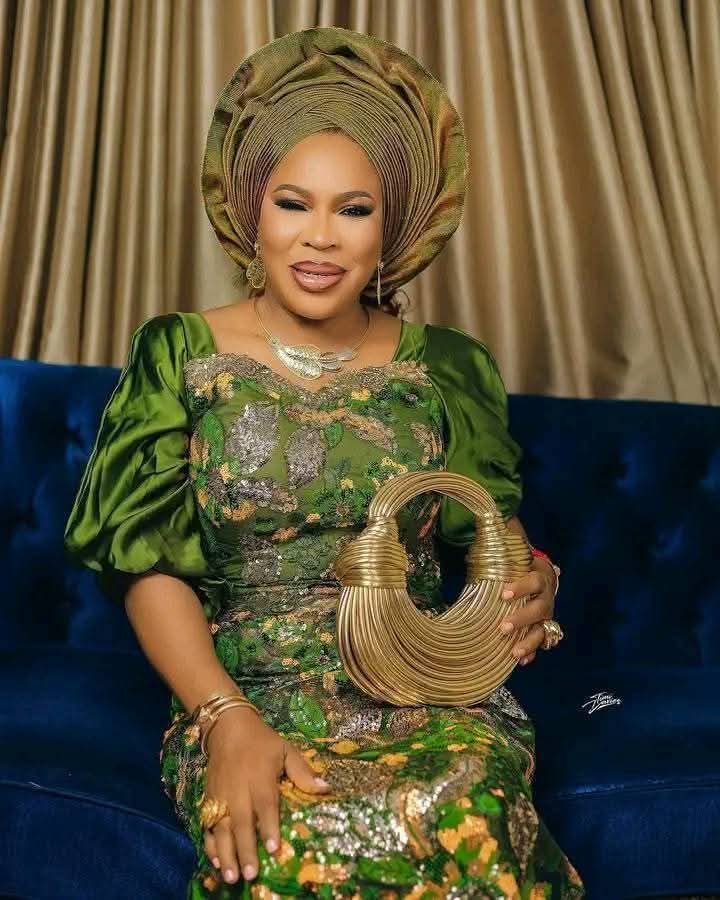
Yet amid these changes, the old song continues to ask an important question. Are we preserving the values that give meaning to our culture, or are we sacrificing them on the altar of relevance?
Its message extends beyond clothing. It is really about values, accountability, and the willingness to receive correction. It warns against a society where every criticism is dismissed with “Ko kere”, “Ko yama”, aye nse iru e — “There is nothing wrong with it.” When every form of correction is dismissed as outdated and every caution is labelled judgmental, society gradually loses its moral anchors.
As I remember singing this song in the Juvenile Choir at CAC, Oke Imole, Agbowo, I am reminded that its message was not merely for a particular generation. It was a timeless warning that every generation must carefully examine. The question is no longer whether the world is changing. The question is whether, amid all the changes, we are preserving the values that make us truly human. New fashions will emerge. New definitions of beauty will appear. New cultural influences will arrive. But in the midst of change, certain values deserve preservation.
Modesty may evolve in its expression, but dignity should never become obsolete. Culture may adapt, but character should not be discarded. Freedom should be exercised with wisdom, not merely with impulse.
Do you want to advertise with us?
Do you need publicity for a product, service, or event?
Contact us on WhatsApp +2348033617468, +234 816 612 1513, +234 703 010 7174
or Email: validviewnetwork@gmail.com
CLICK TO JOIN OUR WHATSAPP GROUP
Yes, aye nlo ni melo melo.
The world is changing in many ways.
The challenge before us is ensuring that, amid those changes, we do not lose the virtues that once made us worthy of admiration and respect.
Kayode Ogunjobi, FHEA, FFAN, is an environmental researcher, public affairs analyst, and passionate advocate for nature conservation, with a strong interest in environmental sustainability, ecological safety, and responsible public policy.