

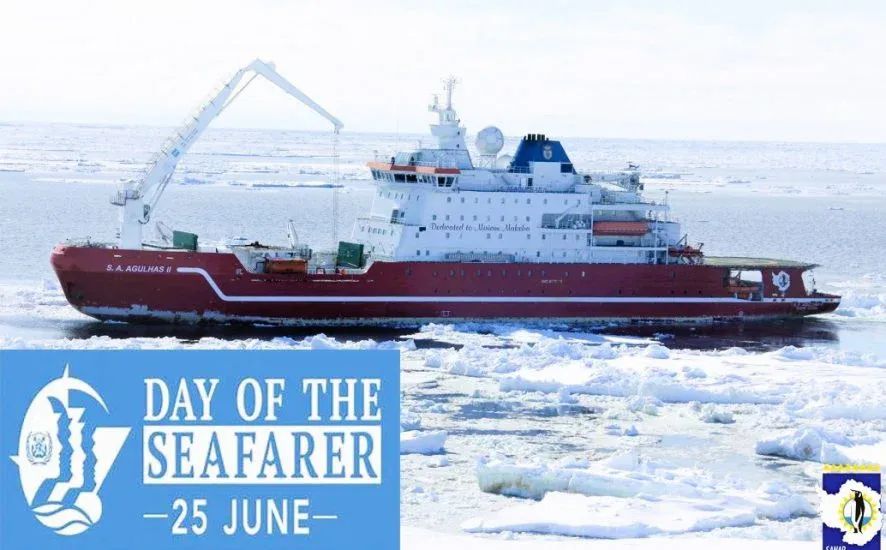
The global economy moves on water, yet the individuals steering its course remain largely invisible. Every year on June 25, the International Day of the Seafarer offers a rare moment to bring these workers into the spotlight. Established by the International Maritime Organization (IMO), this observance honors the nearly two million merchant mariners who sustain modern civilization.
The 2026 commemoration carries exceptional urgency. Under the theme “Carrying World Trade. Carrying the Risks,” the global maritime community is confronting an unprecedented intersection of commercial necessity and acute physical danger.
The Backbone of the Global Economy
The scale of human reliance on maritime transport is staggering. Over 80 percent of global trade by volume travels across oceans and waterways. The mechanics of daily life—food on dining tables, life-saving medicines on pharmacy shelves, fuel powering industries, and consumer electronics—rely entirely on the uninterrupted movement of cargo ships.
The strategic importance of seafarers became undeniable during the COVID-19 pandemic. As borders slammed shut and the world locked down, ships kept sailing. Seafarers stepped onto the frontlines of international logistics, preventing global economic paralysis at immense personal cost. Thousands were stranded at sea for months past their contracts due to travel bans, enduring extreme fatigue and mental distress.
Escallating Crises on High Seas
In 2026, the risks highlighted by the IMO are no longer just occupational hazards like severe weather or mechanical failure; they are deeply geopolitical. Merchant fleets increasingly find themselves caught in the crossfire of international conflicts.
A Sector Under Siege: United Nations Secretary-General António Guterres noted in his 2026 address that tens of thousands of seafarers have faced entrapment and high-stakes isolation due to escalating international friction in critical checkpoints, including the Strait of Hormuz, the Red Sea, and the Black Sea.
Currently, the IMO is collaborating with member states and regional naval forces to execute phased evacuation frameworks for over 10,000 mariners caught in high-risk zones. When nations clash, these civilian workers bear the brunt of the danger.

The Domestic Imperative: Nigeria’s Blue Economy
For a strategically positioned maritime nation like Nigeria, the Day of the Seafarer emphasizes a pressing domestic need. Indigenous experts and development advocates are calling for deliberate structural investments to align with the Federal Government’s Blue Economy agenda.
- Education and Capacity Building: Upgrading domestic maritime training institutions to secure globally competitive certifications for local cadets.
- Sea-Time Opportunities: Eliminating the bottleneck that leaves hundreds of qualified Nigerian cadets without required practical shipboard experience.
- Transition and Governance: Creating clear career pathways so experienced mariners can transition from shipboard service into onshore leadership, injecting practical expertise into national policy.
Behind every container ship, chemical tanker, and crude carrier moving across the horizon is a human story of endurance and sacrifice. Ensuring fair remuneration, proper mental health support, and robust physical protection is not a series of workplace privileges—it is a baseline requirement for the survival of global commerce.
Do you want to advertise with us?
Do you need publicity for a product, service, or event?
Contact us on WhatsApp +2348033617468, +234 816 612 1513, +234 703 010 7174
or Email: validviewnetwork@gmail.com
CLICK TO JOIN OUR WHATSAPP GROUP
To watch a dedicated video address detailing the structural challenges and institutional responses framing this year’s maritime campaign, view the Day of the Seafarer 2026 Message. This video features the official message from the IMO Secretary-General highlighting the critical safety and welfare initiatives designed to protect mariners in high-risk zones.