

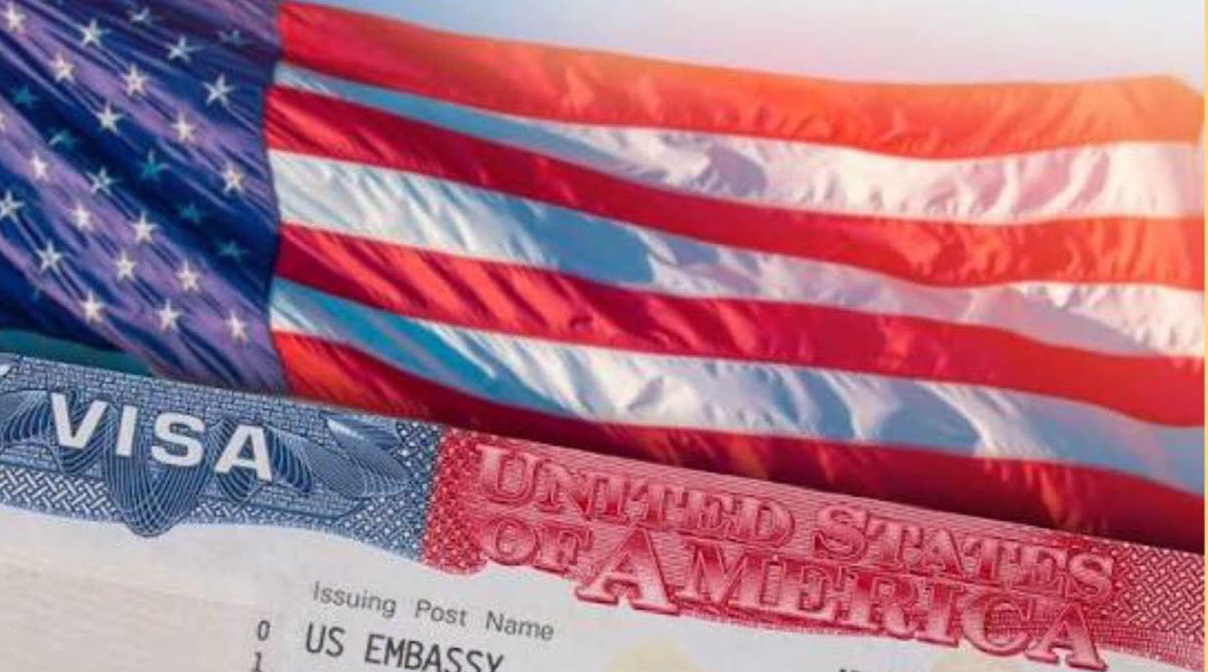
WASHINGTON — The United States Department of State has officially transitioned its controversial temporary visa bond initiative into a permanent enforcement program, dealing a severe financial blow to travellers across the globe.
The policy mandates that prospective visitors from 50 designated countries—30 of which are African nations, including Nigeria—must pay a refundable security bond of up to $20,000 before obtaining standard business or tourist visas.
The permanent framework, which took effect following a federal notice, builds upon a 12-month pilot scheme initially launched in August 2025. According to federal authorities, data gathered during the trial period proved that financial deposits drastically lower overstay rates and improve adherence to American immigration controls.
How the Permanent Bond Works
The strict requirement applies directly to applicants seeking B-1 (business), B-2 (tourist), or combined B-1/B-2 visitor visas. While applicants must otherwise qualify for the visa, consular officers hold the discretionary authority to direct individuals to post a security deposit.

Under the permanent regulation, the pricing tiers have shifted:
- The $5,000 minimum tier from the pilot phase has been entirely eliminated.
- Bond amounts are now set at $10,000, $15,000, or a maximum of $20,000, with consular officials expected to lean heavily on the $15,000 mark for standard cases.
- Refund conditions: The deposit is returned without interest only if the traveller strictly complies with all visa terms, leaves the United States within the authorized duration through designated commercial air ports, and avoids overstaying. Breaching the terms results in total forfeiture of the funds.
Heavy Burden on African Nations
Out of the 50 nations caught in the sweeping policy, the vast majority—30 countries—belong to the African continent. The affected African states span every region, featuring major economies and regional hubs:
- Nigeria (Effective: January 21, 2026)
- Algeria (Effective: January 21, 2026)
- Angola (Effective: January 21, 2026)
- Benin (Effective: January 21, 2026)
- Botswana (Effective: January 1, 2026)
- Burundi (Effective: January 21, 2026)
- Cabo Verde (Effective: January 21, 2026)
- Central African Republic (Effective: January 1, 2026)
- Cote D’Ivoire (Effective: January 21, 2026)
- Djibouti (Effective: January 21, 2026)
- Ethiopia (Effective: April 2, 2026)
- Gabon (Effective: January 21, 2026)
- The Gambia (Effective: October 11, 2025)
- Guinea (Effective: January 1, 2026)
- Guinea-Bissau (Effective: January 1, 2026)
- Lesotho (Effective: April 2, 2026)
- Malawi (Effective: August 20, 2025)
- Mauritania (Effective: October 23, 2025)
- Mauritius (Effective: April 2, 2026)
- Mozambique (Effective: April 2, 2026)
- Namibia (Effective: January 1, 2026)
- Sao Tome and Principe (Effective: October 23, 2025)
- Senegal (Effective: January 21, 2026)
- Seychelles (Effective: April 2, 2026)
- Tanzania (Effective: October 23, 2025)
- Togo (Effective: January 21, 2026)
- Tunisia (Effective: April 2, 2026)
- Uganda (Effective: January 21, 2026)
- Zambia (Effective: August 20, 2025)
- Zimbabwe (Effective: January 21, 2026)
Other non-African countries on the 50-nation list include Bangladesh, Cambodia, Cuba, Nicaragua, and Pakistan, among others.
Immigration lawyers and travel analysts note that the steep financial hurdle has already drastically depressed visa approvals for targeted nationalities, with many prospective applicants choosing to forgo travel entirely rather than risk locking up substantial capital.
Do you want to advertise with us?
Do you need publicity for a product, service, or event?
Contact us on WhatsApp +2348033617468, +234 816 612 1513, +234 703 010 7174
or Email: validviewnetwork@gmail.com
CLICK TO JOIN OUR WHATSAPP GROUP