


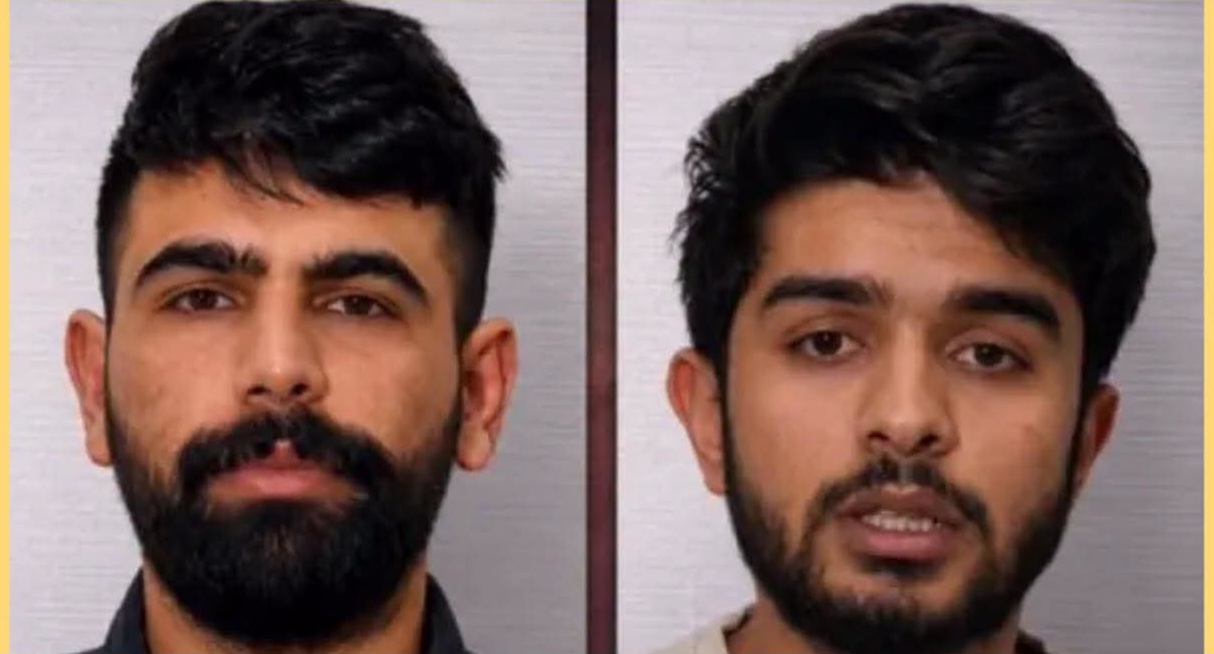
TEHRAN — Intensifying its sweeping domestic crackdown amid an active regional war, Iran’s judiciary executed two men early Monday morning after convicting them of espionage and treason on behalf of Israel.
According to Mizan, the official news outlet of the Iranian judiciary, the men were identified as Omid Behzad and Pouria Safvat. State authorities alleged that the pair systematically transmitted sensitive geographic coordinates, photographs, and digital intelligence regarding Iranian military and security infrastructure to agents of Israel’s Mossad intelligence agency.
The executions underscore a sharp escalation in capital punishment enforced by Tehran since broader hostilities erupted between Iran, Israel, and the United States. Court documents cited by state media claimed that the defendants funneled intelligence utilized during recent military flare-ups, including strikes on security installations. Prosecutors asserted that Behzad and Safvat maintained direct communication with digital channels and handlers linked to foreign intelligence, using mapping applications and messaging platforms to relay target data.

While Iran’s Supreme Court formally upheld the death sentences following investigations by the Islamic Revolutionary Guard Corps (IRGC), human rights organizations have frequently raised alarms over the fairness of such trials. International watchdogs note that the Islamic Republic remains one of the world’s most prolific executioners, having recorded surging numbers of hangings tied to broadly defined national security and espionage charges.
Independent organizations have repeatedly cautioned that confessions in high-profile security cases are often extracted under severe detention conditions or coercion, casting doubt on transparency as state authorities battle internal dissent and external security threats.
Do you want to advertise with us?
Do you need publicity for a product, service, or event?
Contact us on WhatsApp +2348033617468, +234 816 612 1513, +234 703 010 7174
or Email: validviewnetwork@gmail.com
CLICK TO JOIN OUR WHATSAPP GROUP



