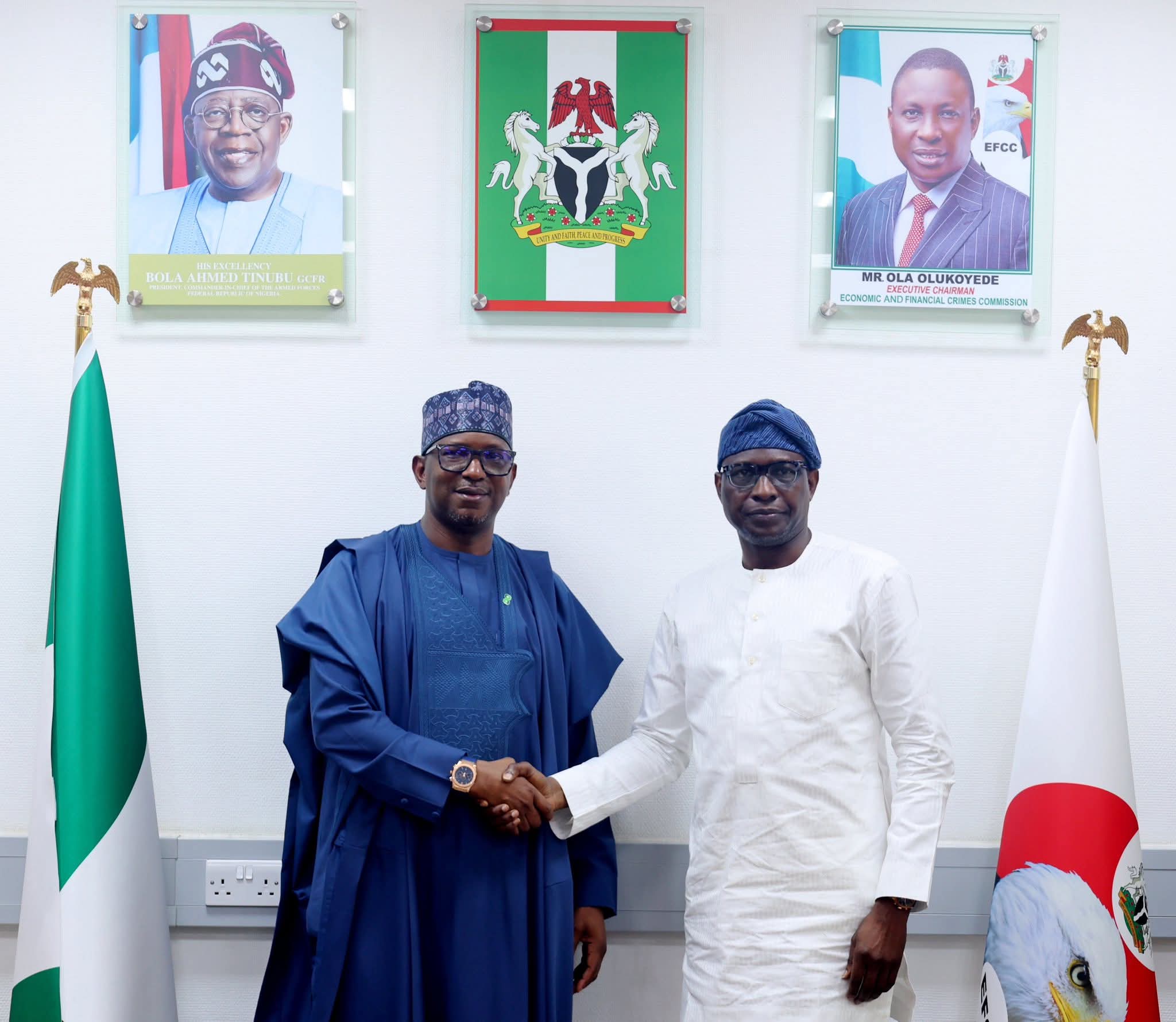
ABUJA — In a major move to rid Nigerian sports of institutional corruption, the Economic and Financial Crimes Commission (EFCC) has partnerered with the newly reorganized National Sports Commission (NSC) to enforce strict regulatory compliance and financial transparency.
The anti-graft agency plans to deploy its specialized Fraud Risk Assessment and Control (FRAC) department to build a robust financial compliance template specifically for the NSC. This framework will oversee procurement, contract awards, management of public funds, and international grants.
The development was finalized at the EFCC corporate headquarters in Abuja during a strategic courtesy visit led by NSC Chairman, Mallam Shehu Dikko, to the anti-graft agency’s Executive Chairman, Mr. Ola Olukoyede.
Moving Away from Past Mismanagement
Speaking during the session, EFCC Chairman Ola Olukoyede revealed that the commission is still actively holding active case files from investigations into previous sports administrators. He emphasized that the focus must shift entirely from investigation to absolute prevention.
“We always want to engage in the spirit of working together,” Olukoyede stated. “If there are things that we need to prevent, we have to prevent them before they lead to what will attract investigations. Prevention is better than cure. People will want to hear that the EFCC is investigating the NSC. I think we should avoid that going forward.”
Olukoyede expressed deep regret over how international grants, subventions, and monetary awards from global sporting organizations were mismanaged by previous leadership structures. He warned that the new administration must protect international inflows, including agreements signed under the newly established National Anti-Doping Center.
The EFCC boss, however, commended Dikko’s early achievements, noting that visible reforms have started attracting corporate sponsors back to Nigerian sports.
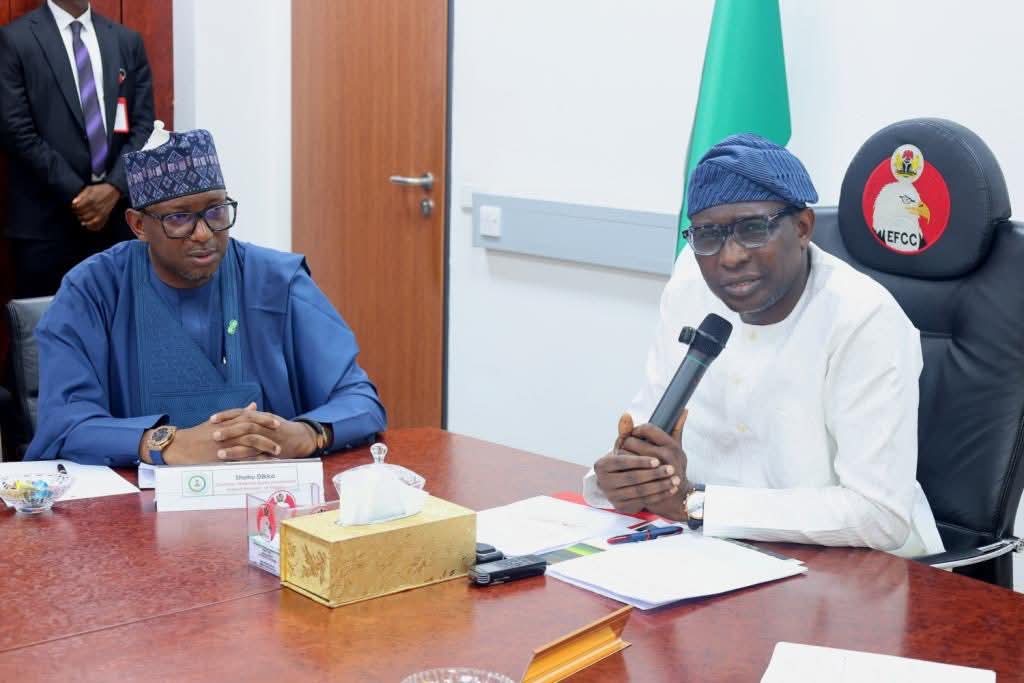
“You have been changing the face of sports in Nigeria very drastically,” Olukoyede noted. “You have taken sports from the realm of just being sports to that of a national asset, something that adds value to our economy.”
The ‘RHINSE’ Agenda: Treating Sports as an Economic Driver
In his remarks, NSC Chairman Shehu Dikko explained that his administration is intentionally cleaning up the sports administration ecosystem, which was structurally overhauled following President Bola Ahmed Tinubu’s dissolution of the Ministry of Sports in October 2024.
Dikko detailed the Renewed Hope Initiative for Nigeria Sports Economy (RHINSE) framework, which operates on three core pillars:

- Reset: Auditing and restructuring internal administrative systems.
- Refocus: Shifting attention from merely attending international competitions as “tourists” to developing a local, self-sustaining sports ecosystem.
- Relaunch: Positioning sports as a business sector projected to contribute at least 3% to the nation’s annual GDP.
To guarantee transparency, Dikko revealed that the NSC has set up an Independent Sports Integrity Board.
“I am here because we want to clean the system for the first time,” Dikko said. “We have to be direct and intentional, creating frameworks, decisions, and collaborations that drive responsibility. This ensures the private sector can seamlessly step in and complement the role the government plays in sports.”
Do you want to advertise with us?
Do you need publicity for a product, service, or event?
Contact us on WhatsApp +2348033617468, +234 816 612 1513, +234 703 010 7174
or Email: validviewnetwork@gmail.com
CLICK TO JOIN OUR WHATSAPP GROUP
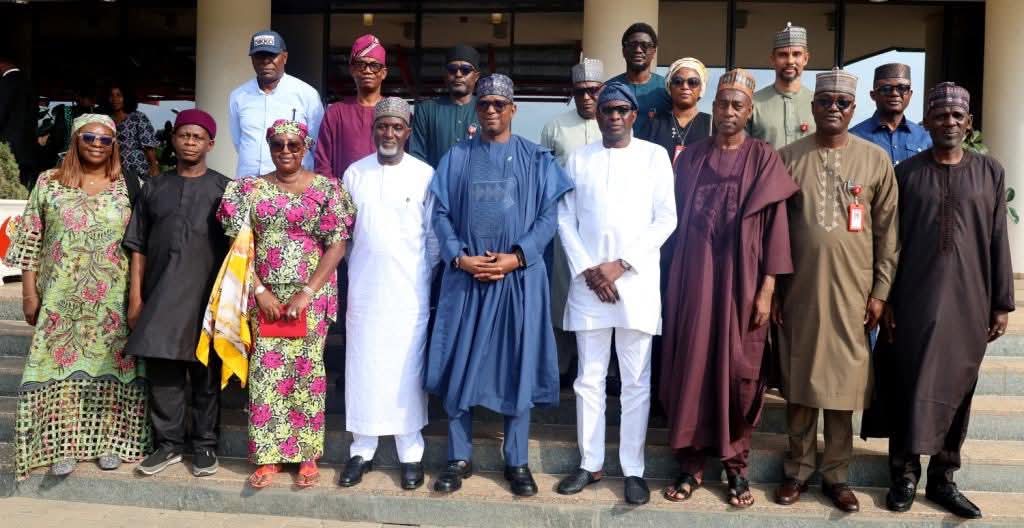
The institutional collaboration will see the EFCC establish a dedicated liaison desk at the NSC to actively review its systems, structures, and processes, ensuring future financial operations remain completely free of suspicion.