



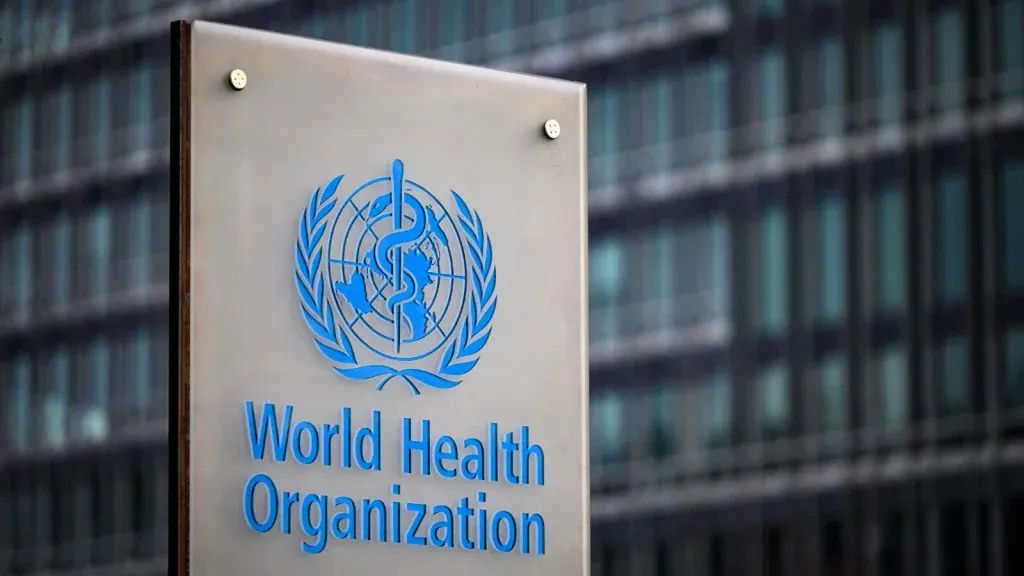
Nigeria has officially launched a robust, human-centered framework to combat the escalating substance abuse crisis while simultaneously safeguarding the availability of essential medicines for legitimate medical use. This strategic shift was the focal point of the inaugural National Drug Use Summit held recently in Abuja, which convened high-level government officials, the World Health Organization (WHO), and international development partners.
A Multi-Pronged National Response
The summit, organized by the Federal Ministry of Health and Social Welfare (FMoHSW), the National Drug Law Enforcement Agency (NDLEA), and the United Nations, seeks to transition from purely punitive measures to a balanced approach.
Key pillars of this new initiative include:
- Demand Reduction: Strengthening prevention, treatment, and rehabilitation programs to reduce the prevalence of substance use, which currently stands at 14.4% among Nigerians aged 15 to 64.
- Supply Chain Regulation: Expanding efforts to dismantle trafficking networks while ensuring strict oversight of controlled medications, such as opioids used for palliative care, pain management, and mental health treatments.
- Inter-Agency Synergy: Deepening collaboration between health ministries, law enforcement, and educational institutions to implement evidence-based awareness campaigns in schools and local communities.
Addressing the 2030 Challenge
The urgency of this intervention is underscored by projections that drug use on the continent could surge by 40% by 2030 if left unchecked. NDLEA Chairman, Retired Brigadier-General Muhammad Buba Marwa, emphasized that while enforcement has led to over 77,000 arrests and 14,000 convictions in recent years, law enforcement alone is insufficient.
The government is currently transitioning into the new National Drug Control Master Plan (NDCMP 2026–2030). This framework builds upon the performance evaluations of the previous 2021–2025 plan and integrates data-driven policy to protect the nation’s youth from the socio-economic threats associated with addiction, including rising insecurity, mental health crises, and school dropouts.

Commitment to Care
The WHO has lauded this initiative, noting that it successfully balances the need for security with the medical necessity of pain relief. By fostering a healthcare environment that treats addiction as a chronic health condition rather than a moral failure, stakeholders hope to dismantle the stigma that often prevents individuals from seeking life-saving treatment.
Do you want to advertise with us?
Do you need publicity for a product, service, or event?
Contact us on WhatsApp +2348033617468, +234 816 612 1513, +234 703 010 7174
or Email: validviewnetwork@gmail.com
CLICK TO JOIN OUR WHATSAPP GROUP
For more on the national strategy, see: NDLEA unveils new drug control strategy.
This video provides an overview of the collaborative efforts and policy frameworks currently being implemented by the NDLEA and its partners to strengthen Nigeria’s drug control infrastructure.