

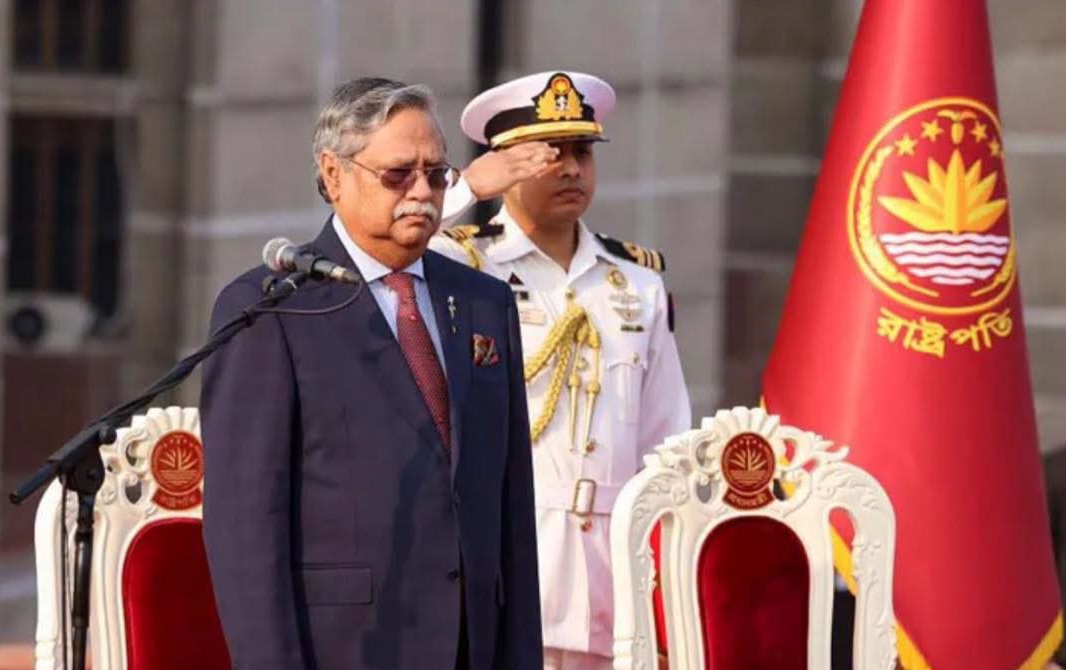
DHAKA — Bangladesh President Mohammed Shahabuddin stepped down from office, cutting short a five-year term originally slated to run until 2028. Citing severe physical and mental incapacity, the 76-year-old leader submitted his resignation letter to Parliament Speaker Hafiz Uddin Ahmed, who promptly accepted it.
In his resignation, Shahabuddin pointed to compounding health diagnoses, including autonomic neuropathy—a condition causing sudden, brief losses of consciousness—alongside heart complications and diabetes. “It is no longer possible for me to properly discharge the responsibilities of an important constitutional office,” he wrote.
Political Aftermath and Interim Leadership
Under the provisions of the national constitution, Speaker Hafiz Uddin Ahmed has assumed responsibilities as the interim head of state. The country is constitutionally mandated to elect a new president within the next 90 days. Because the ruling Bangladesh Nationalist Party (BNP) commands a strong legislative majority, its incoming nominee is widely expected to secure the presidency.
Shahabuddin’s departure marks the exit of the final high-ranking constitutional official tied to the administration of ousted Prime Minister Sheikh Hasina. Appointed by Hasina’s Awami League government in April 2023, Shahabuddin navigated the nation through the volatile transition following the student-led mass uprising in August 2024 that forced Hasina into exile in New Delhi.

Heightened Tensions Ahead of Planned Return
The resignation unfolds against a backdrop of intense political friction. Recent domestic media reports claimed that Shahabuddin had engaged in secret telephone communications with the exiled former prime minister during a medical trip to London, an allegation the former president firmly dismissed as baseless.
Tensions further escalated following Hasina’s recent announcement signaling intentions to return to Bangladesh, despite facing a pending death sentence and an active ban on the Awami League party. Observers note that Shahabuddin’s exit effectively severs Hasina’s final institutional link to high office as the country braces for the next phase of its post-uprising political landscape.
Do you want to advertise with us?
Do you need publicity for a product, service, or event?
Contact us on WhatsApp +2348033617468, +234 816 612 1513, +234 703 010 7174
or Email: validviewnetwork@gmail.com
CLICK TO JOIN OUR WHATSAPP GROUP