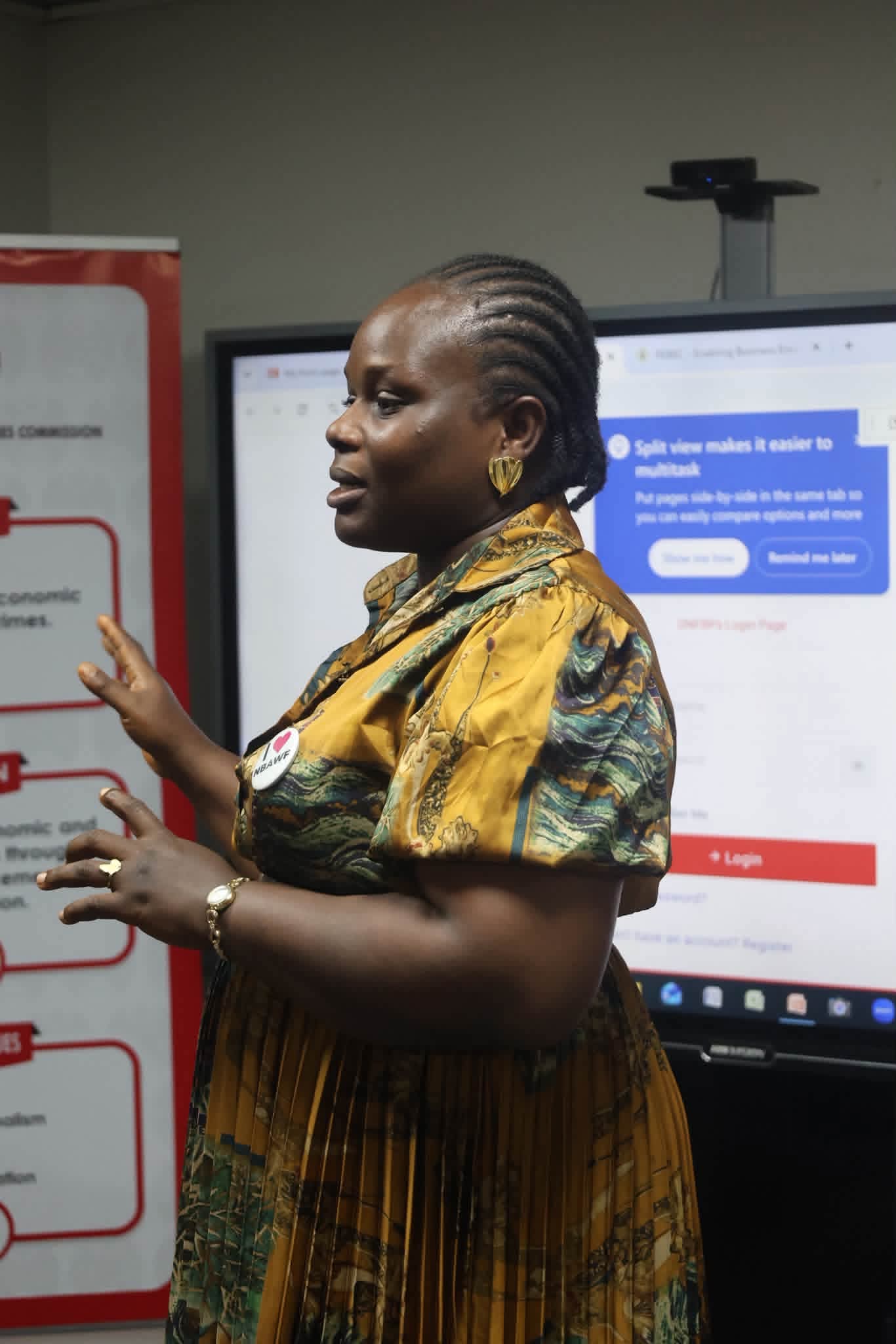
The Economic and Financial Crimes Commission, EFCC, has urged female lawyers in Nigeria to take a stronger role in the fight against money laundering, terrorist financing and other financial crimes, warning that the legal profession must not be turned into a channel for illicit funds. The commission said lawyers remain critical gatekeepers in the country’s anti-money laundering regime and must help strengthen compliance across the legal sector.
The call was made on Wednesday in Abuja by the Executive Chairman of the EFCC, Ola Olukoyede, at a one-day training organised for members of the Nigerian Bar Association Women Forum, NBAWF, Abuja branch, with the theme: “Mastering SCUML Registration and AML/CFT Compliance Training for Legal Practitioners”. Olukoyede was represented at the event by Deputy Commander of the EFCC, Samu Pascal.
The anti-graft agency said the programme was designed to deepen lawyers’ understanding of their obligations under Nigeria’s anti-money laundering framework, including SCUML registration, customer due diligence and the identification of ultimate beneficial owners. It added that the training was also intended to improve cooperation between the Special Control Unit Against Money Laundering, SCUML, and legal practitioners.
Olukoyede said the legal profession carries a special responsibility in protecting the integrity of the financial system, noting that lawyers must remain careful not to make themselves available for transactions linked to criminal proceeds. He said legal practitioners serve as gatekeepers who can either help prevent abuse of the system or unwittingly assist it.
“Today’s engagement reflects the strong partnership between SCUML and the legal profession in strengthening Nigeria’s Anti-Money Laundering, Countering the Financing of Terrorism, and Countering Proliferation Financing framework,” he said.
He added that the session would help participants better understand the practical compliance challenges confronting legal practitioners, as well as emerging typologies in financial crime. According to him, the outcome should help generate practical solutions that support compliance while preserving professional ethics.
In her remarks, the leader of the NBAWF Abuja Chapter, Hadiza Afegbua, thanked the EFCC for opening the space for direct engagement with women lawyers on AML/CFT compliance. She said the legal profession has a duty to uphold the rule of law and protect the integrity of Nigeria’s financial system.

Afegbua said members of the forum would continue to ensure that legal services are not misused for money laundering or terrorist financing. She also praised the SCUML team for partnering with the women lawyers and sharing practical expertise during the programme.
In a paper delivered at the event, Assistant Commander of the EFCC, Korede Abdulaziz, urged lawyers to consistently recognise their role as compliance gatekeepers and familiarise themselves with the 2022 AML/CFT legal framework. She stressed the importance of customer due diligence, identification of ultimate beneficial owners and a risk-based approach to compliance.
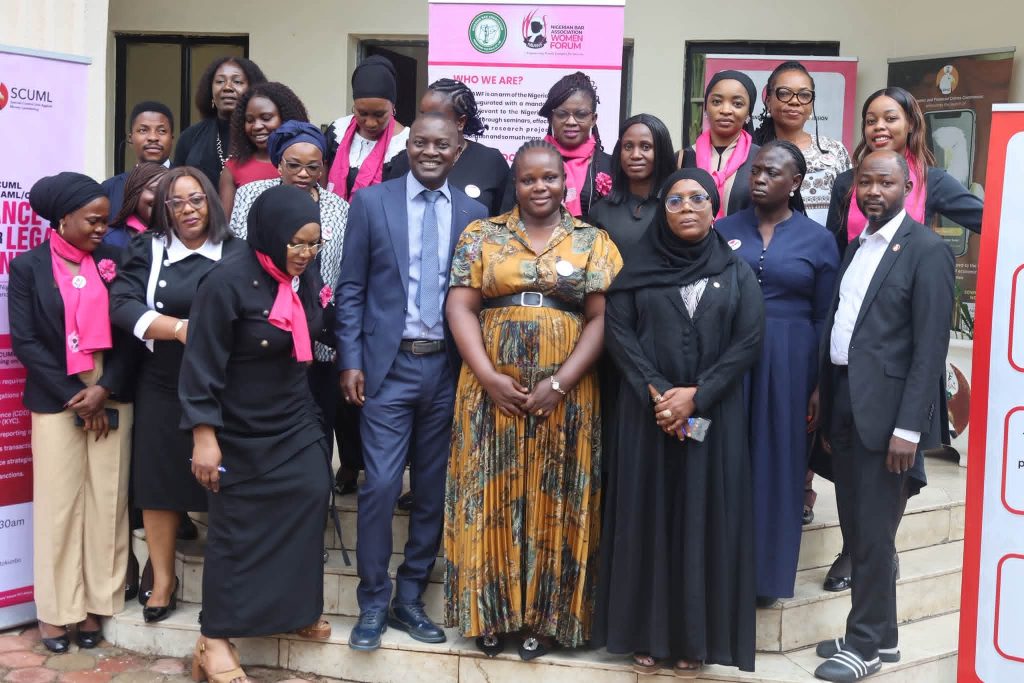
Abdulaziz also highlighted the need for lawyers to navigate the balance between legal professional privilege and reporting obligations in line with regulatory expectations. She said stronger compliance would help protect both the profession and national security.
The EFCC’s message aligns with broader efforts to tighten anti-money laundering compliance among designated non-financial businesses and professions, including legal practitioners. SCUML, which supervises such compliance, says registration is free and required for eligible businesses and professions under the law.
At a time when regulators are stepping up scrutiny of financial crime risks, the Abuja training underscored a growing expectation that lawyers must do more than represent clients — they must also help shield the system from abuse.
Do you want to advertise with us?
Do you need publicity for a product, service, or event?
Contact us on WhatsApp +2348033617468, +234 816 612 1513, +234 703 010 7174
or Email: validviewnetwork@gmail.com
CLICK TO JOIN OUR WHATSAPP GROUP