

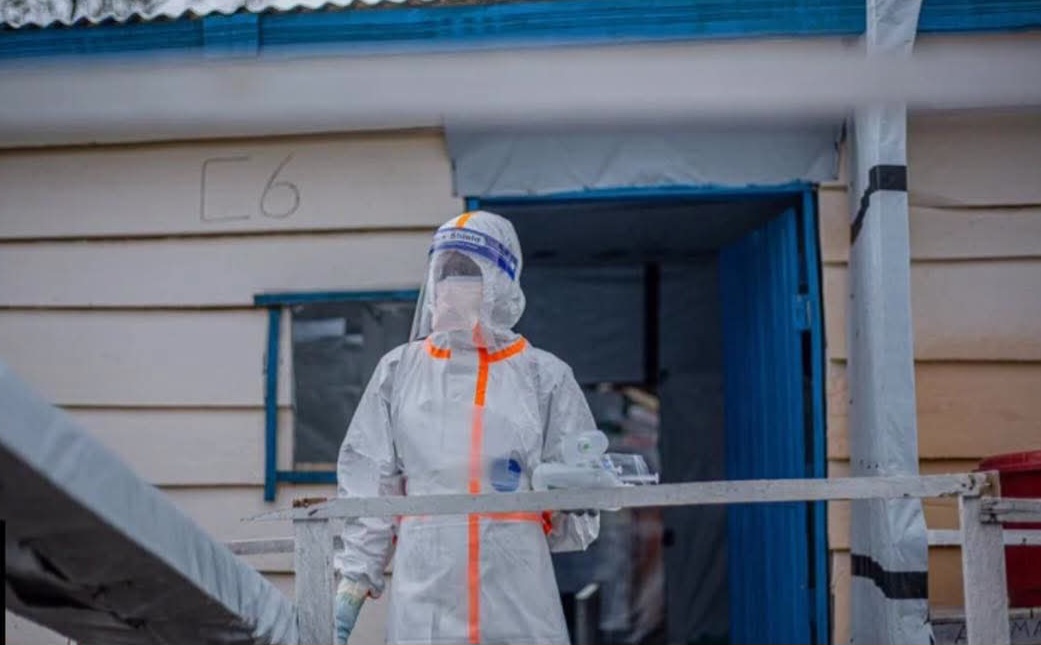
BUNIA, DRC – The Democratic Republic of the Congo (DRC) is currently grappling with a severe and rapidly evolving Ebola epidemic, as health authorities struggle to contain an outbreak of the rare Bundibugyo virus.
According to the latest World Health Organization (WHO) data, the crisis has reached alarming proportions with 2,073 confirmed cases and 796 deaths reported as of July 15, 2026. The current epidemic, which was officially declared on May 15, has spread across five provinces—Ituri, North Kivu, South Kivu, Haut-Uele, and Tshopo—with Ituri remaining the most heavily affected region.
A Challenging Response
The rapid escalation of cases has prompted the WHO to classify the outbreak as a public health emergency of international concern. Health officials have identified significant hurdles in the response effort:

- Community Transmission: Surveillance reports indicate that over 90% of deaths occurred within the community or prior to arrival at a health facility, signaling a critical delay in detection and access to life-saving care.
- Security Obstacles: The outbreak is centered in areas plagued by long-standing armed conflict. These volatile conditions have repeatedly hampered medical personnel, with reports of attacks on healthcare infrastructure further threatening the continuity of essential services.
- Vaccine Challenges: Unlike more common strains of the virus, the Bundibugyo species currently lacks an approved vaccine or specific treatment, forcing responders to rely heavily on supportive care, intensive contact tracing, and community engagement.
International Reach
The impact of the outbreak has extended beyond the DRC’s borders. Uganda has reported 20 confirmed cases, primarily linked to cross-border movement, though the country has not seen new infections since late June. Furthermore, medical evacuations of infected humanitarian workers to Germany and laboratory-confirmed cases in France have highlighted the global potential for importation.
Urgent Call to Action
WHO Director-General Tedros Adhanom Ghebreyesus has emphasized the urgent need for enhanced surveillance and community cooperation to break transmission chains. With thousands of contacts currently under monitoring, the focus remains on strengthening cross-border preparedness and ensuring that healthcare workers can operate safely in high-risk zones.
As the epidemic continues to evolve, international aid organizations are scaling up support, providing critical medical infrastructure and training to local health teams in a desperate race to stabilize the region.
Do you want to advertise with us?
Do you need publicity for a product, service, or event?
Contact us on WhatsApp +2348033617468, +234 816 612 1513, +234 703 010 7174
or Email: validviewnetwork@gmail.com
CLICK TO JOIN OUR WHATSAPP GROUP