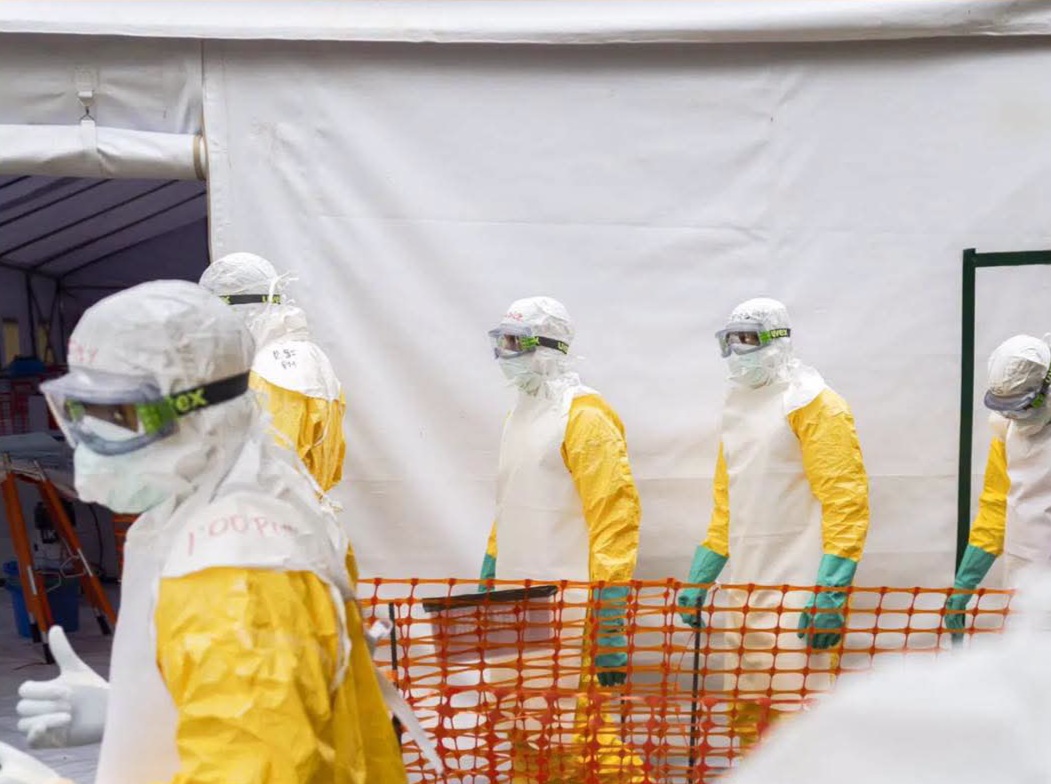
The Ebola virus disease (EVD) outbreak in the Democratic Republic of the Congo (DRC) has reached a grim milestone, with confirmed cases surpassing 2,000 as of mid-July 2026. Health authorities have reported 2,011 confirmed cases and 754 deaths, though international health experts warn that the true scale of the epidemic may be two to four times higher than official tallies.
The current epidemic, caused by the Bundibugyo strain, is characterized by a rapid and aggressive spread across five provinces: Ituri, North Kivu, South Kivu, Haut-Uele, and Tshopo. Ituri province remains the epicenter, accounting for the vast majority of infections.
Unprecedented Transmission and Community Impact
Medical aid groups, including Doctors Without Borders (MSF), have characterized the current surge as the fastest-growing Ebola outbreak on record. “In less than five weeks, the number of confirmed cases has tripled,” MSF reported, noting a fivefold increase in fatalities during the same period.
Compounding the crisis is the alarming trend of community-based deaths. World Health Organization (WHO) emergencies chief Dr. Chikwe Ihekweazu recently reported that over 92 percent of investigated deaths occurred within the community rather than in clinical settings, suggesting significant barriers to detection and access to care. Furthermore, 80 percent of new infections have been traced to “unknown chains of transmission,” meaning they were not on existing contact-tracing lists, making containment efforts increasingly difficult.
The Search for Medical Breakthroughs
The Bundibugyo strain presents a significant challenge as there is currently no approved vaccine or specific therapeutic treatment for it. In a bid to turn the tide, clinical trials for an experimental antiviral drug, obeldesivir, developed by Gilead Sciences, were launched this week. The trial, dubbed EBO-PEP, is testing the drug’s effectiveness in individuals exposed to confirmed cases.
International Reach and Response

While the crisis is concentrated in the DRC, the outbreak has had an international footprint. Imported cases have been documented in Uganda, France, and Germany, involving travelers and aid workers who contracted the virus in affected regions.
The outbreak continues to unfold in a volatile environment plagued by regional insecurity and high population mobility, which complicates the logistics of delivering life-saving medical supplies and engaging with affected communities. Despite these hurdles, international health bodies and local authorities continue to scale up surveillance, contact tracing, and clinical preparedness as they battle what the WHO has described as a “fire” that is simultaneously burning at its heart and expanding outward.
Do you want to advertise with us?
Do you need publicity for a product, service, or event?
Contact us on WhatsApp +2348033617468, +234 816 612 1513, +234 703 010 7174
or Email: validviewnetwork@gmail.com
CLICK TO JOIN OUR WHATSAPP GROUP