

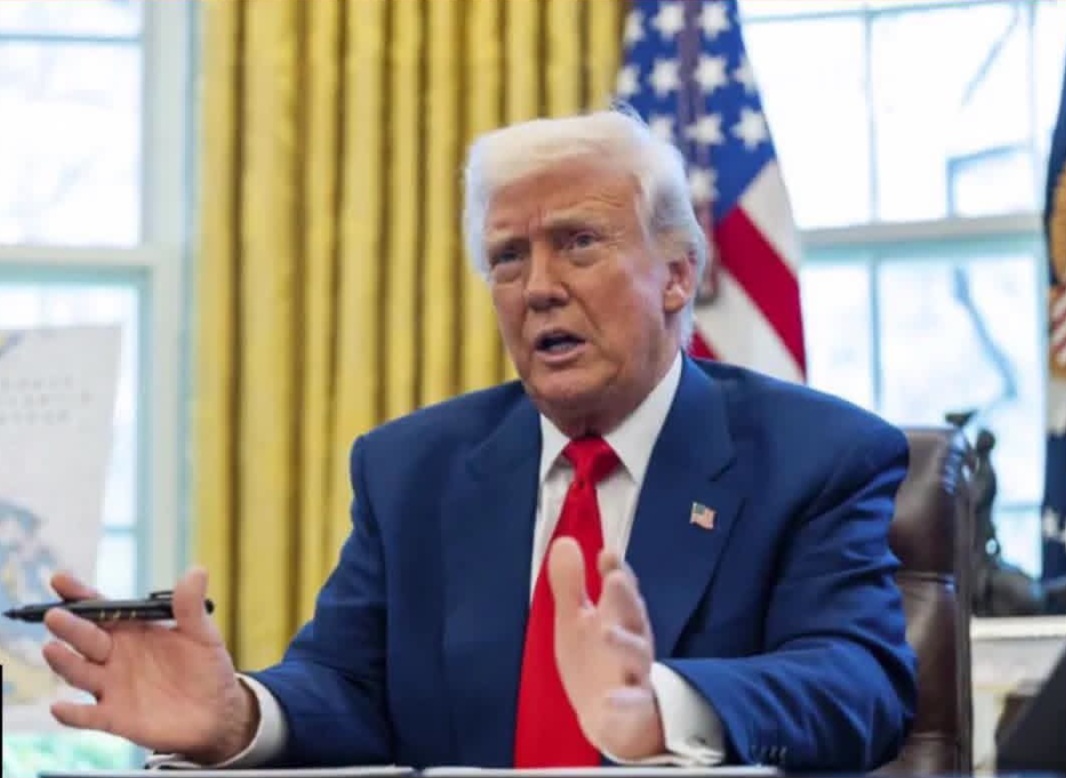
BÜRGENSTOCK, Switzerland — A high-stakes diplomatic effort to end the West Asia war descended into chaos on Sunday after U.S. President Donald Trump threatened to bomb Iran, prompting the Iranian delegation to abruptly walk out of peace negotiations.
The dramatic breakdown occurred just as top-level technical talks were getting underway at a luxury resort overlooking Lake Lucerne. The negotiations were meant to solidify a fragile preliminary peace deal—a memorandum of understanding (MOU)—signed between Washington and Tehran to halt hostilities and reopen the economically vital Strait of Hormuz.
A Firestorm on Social Media
The diplomatic crisis was ignited by a series of aggressive posts from President Trump on his Truth Social platform. Lashing out at continued border violence in southern Lebanon, Trump placed blame entirely on Tehran’s regional allies.
“Iran must immediately stop their highly paid PROXIES in Lebanon from causing trouble,” Trump posted. “If they don’t, we’ll hit Iran very hard again, just like we did last week, only harder!!!”
According to diplomatic sources, Trump privately doubled down on the rhetoric, threatening to bomb Iran and even kidnap its negotiating team if the Strait of Hormuz—a crucial maritime choke point for global oil supplies—was not fully cleared.
In immediate protest of what they described as “bullying,” the Iranian delegation, led by Parliament Speaker Mohammad Bagher Ghalibaf and Foreign Minister Abbas Araghchi, halted the talks. Iran’s state-run news agency, IRNA, confirmed that the delegation left the building after a brief huddle with Qatari mediators.
A Fragile Truce Splintered by Local Clashes
The underlying friction stems from a major disconnect between the text of the U.S.-Iran accord and reality on the ground in Lebanon. The MOU dictates an immediate and permanent termination of military operations on all fronts, which diplomatics say inherently covers the volatile Israel-Hezbollah border.
However, the truce has faced severe structural strain:
- The Border Conflict: Hezbollah recently resumed rocket attacks following a joint U.S.-Israeli military campaign against Iran. Israel responded with a full-scale ground invasion of southern Lebanon, establishing a ten-kilometer-deep “security zone.”
- Fatal Escalations: Overnight clashes left four Israeli soldiers dead inside Lebanon after a drone strike hit their tank. Israel retaliated with over 150 airstrikes, killing at least 47 people in southern Lebanon and the Bekaa Valley.
- The Sticking Point: While a temporary ceasefire was hastily renewed on Friday, Israeli Prime Minister Benjamin Netanyahu insisted Sunday that Israeli troops will remain in southern Lebanon “as long as necessary.” Iran and Lebanese officials maintain that any lasting peace requires a full Israeli withdrawal.
Diplomatic Mixed Signals
The fire and brimstone from Trump’s social media account stood in stark contrast to the emollient tone struck by his own representatives in Switzerland.
Moments before the Iranian walkout, U.S. Vice President J.D. Vance attempted to project an atmosphere of progress and reconciliation. Vance minimized the border flare-ups, calling them expected hurdles in a complex process.

”What the president has asked us to do is turn over a new leaf, to transform our relationship with the people of Iran and to extend an outstretched hand,” Vance told reporters, emphasizing that the administration was seeking long-term regional stability.
Despite Vance’s optimism, the immediate future of the 60-day technical diplomatic window remains highly uncertain. While some Western diplomats insist Iran remains “engaged” through third-party intermediaries Pakistan and Qatar, the physical walkout highlights the deep volatility of attempting to negotiate a grand regional peace via real-time social media ultimatums.
Do you want to advertise with us?
Do you need publicity for a product, service, or event?
Contact us on WhatsApp +2348033617468, +234 816 612 1513, +234 703 010 7174
or Email: validviewnetwork@gmail.com
CLICK TO JOIN OUR WHATSAPP GROUP