KINSHASA, Democratic Republic of the Congo — The World Health Organization (WHO) and Africa Centres for Disease Control and Prevention (Africa CDC) have declared a global and continental health emergency following a rapid, high-mortality outbreak of a rare strain of Ebola in the Democratic Republic of the Congo, which has already crossed the border into neighboring Uganda.
WHO Director-General Tedros Adhanom Ghebreyesus expressed deep concern over the “scale and speed” of the epidemic, pointing to the emergence of cases in densely populated urban areas, the deaths of healthcare workers, and intense regional population movement.
The outbreak involves the rare Bundibugyo ebolavirus strain, for which there are currently no approved vaccines, medicines, or targeted therapeutics.
Health experts and aid workers revealed that the virus spread undetected for weeks after the first known death on April 24 in Bunia, the capital of DRC’s Ituri province. Local authorities initially tested samples for the more common Zaire strain of Ebola. Because those tests came back negative, the virus continued to circulate silently through healthcare facilities and community clusters before official laboratory analysis confirmed the Bundibugyo strain.
As of this week, Congolese authorities and international relief agencies have reported more than 500 suspected cases and at least 134 suspected deaths. Active transmission has been confirmed across several major hubs, including the mining town of Mongbwalu, Rwampara, Nyakunde, Butembo, and North Kivu’s heavily populated provincial capital of Goma.
The crisis has already escalated into a transnational threat. Tedros confirmed that neighboring Uganda has reported two cases in its capital city, Kampala, including a 59-year-old Congolese man who traveled across the border, fell ill, and subsequently died.
The declaration of a Public Health Emergency of International Concern (PHEIC) by the WHO aims to mobilize international resources, though field teams face severe operational hurdles. Parts of eastern Congo remain under the control of active armed rebel groups, drastically complicating the deployment of medical aid and contact-tracing teams.
Furthermore, health officials have yet to isolate “patient zero.” Dr. Anne Ancia, the head of the WHO team in the DRC, warned that deploying experimental or repurposed vaccines, such as Ervebo (licensed for the Zaire strain) or an experimental candidate developed by Oxford researchers, would face significant logistical delays.
”I don’t see that in two months we will be done with this outbreak,” Dr. Ancia stated, noting that any approved vaccine protocol would take at least two months to become operationally available on the ground.
Among the confirmed cases in Bunia is an American physician, Dr. Peter Stafford, who contracted the virus while treating patients at a local hospital. Christian aid organizations confirmed his infection, and the WHO noted that an American citizen who tested positive has since been medically evacuated to Germany for specialized isolation treatment.

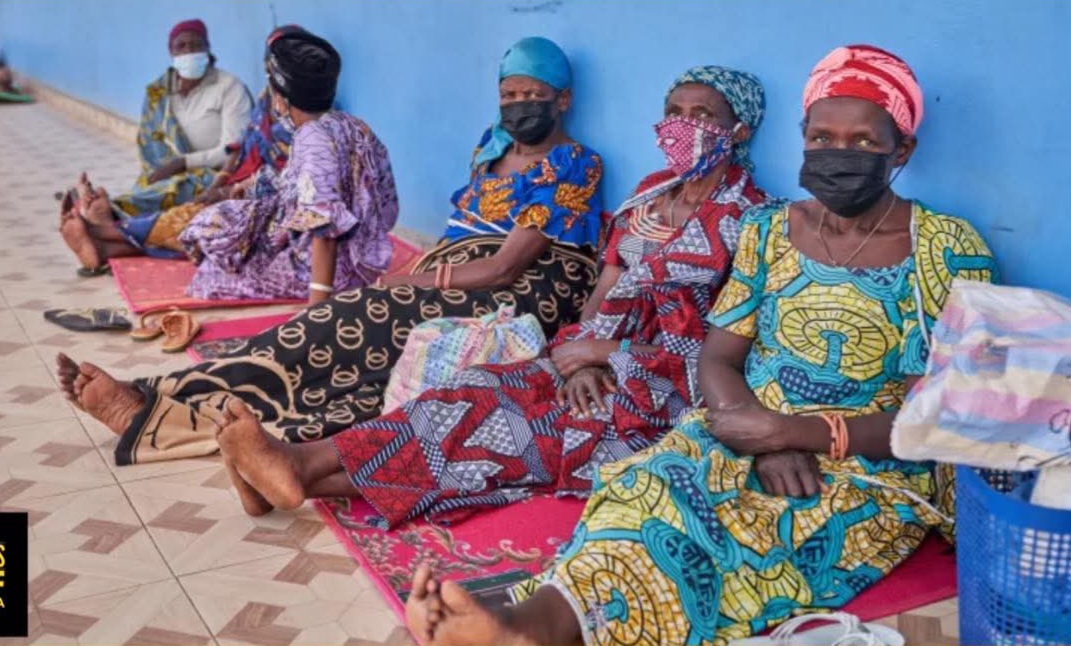
In the affected towns, a growing sense of panic has gripped residents. In Bunia, health workers clad in heavy personal protective equipment (PPE) moved through neighborhoods where locals wore fabric face masks.
“I know the consequences of Ebola, I know what it’s like,” said Noëla Lumo, a worried Bunia resident, recalling the devastating toll of past outbreaks in the region.
Historically, Ebola is a highly contagious virus transmitted via infected bodily fluids, such as vomit, blood, or semen. It triggers severe, often fatal symptoms including fever, acute headaches, muscle pain, diarrhea, vomiting, and unexplained internal or external bleeding. Previous major outbreaks across West and Central Africa have seen high mortality rates, often amplified when family members contract the disease while preparing bodies for traditional funerals.
In response to the escalating numbers, international aid organizations are launching emergency campaigns. The UNICEF bureau in Bunia reported that an initial 16 tons of relief supplies—including specialized disinfectants, personal protective equipment, water purification tablets, and heavy-duty water tanks—have arrived. Hela Skhiri, UNICEF’s Bunia bureau chief, stated that these supplies are being urgently distributed to satisfy the immediate needs of three newly established Ebola treatment centers across Ituri province.
While the U.S. CDC and Africa CDC have issued high-level travel advisories and activated regional surveillance networks, on-the-ground clinical operations are currently being led by frontline humanitarian groups, including Doctors Without Borders (MSF), the Red Cross, and the International Medical Corps.
Do you want to advertise with us?
Do you need publicity for a product, service, or event?
Contact us on WhatsApp +2348033617468, +234 816 612 1513, +234 703 010 7174
or Email: validviewnetwork@gmail.com
CLICK TO JOIN OUR WHATSAPP GROUP