

Troops of the 12 Brigade, Nigerian Army, have intensified a string of operations over the past three months aimed at dismantling terrorist logistics networks in its operational area across Kogi State. These intelligence‑driven patrols and raids have targeted key routes such as the Jamata–Owara and Obajana–Kabba corridors, which criminal elements have allegedly been using to move weapons and ammunition.
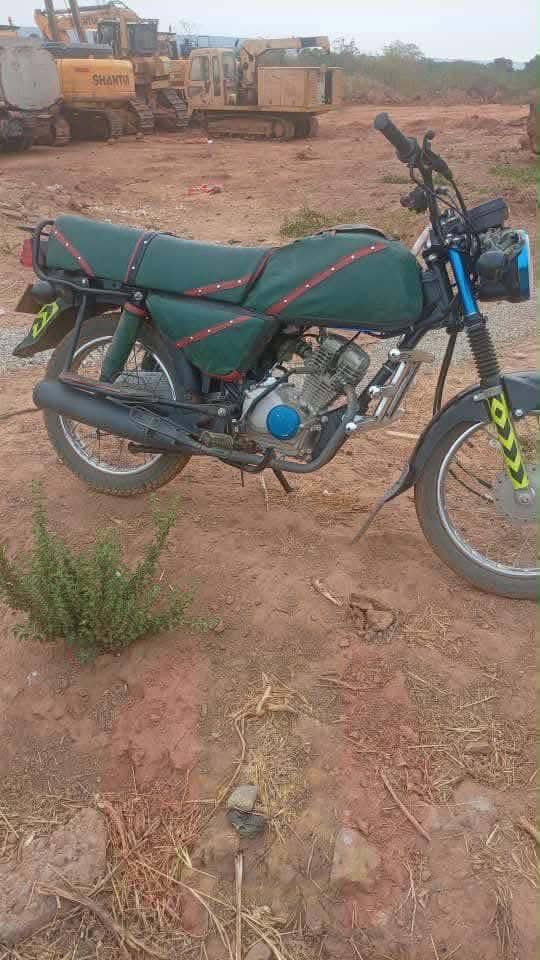
Earlier in March, forces deployed along the Jamata–Owara axis in Lokoja Local Government Area intercepted a suspect on a motorcycle identified as a logistics courier for a known terrorist cell. A thorough search revealed that the motorcycle had been specially modified with a concealed compartment used to smuggle ammunition, alongside other items linking the suspect to ongoing insurgency activities.

Follow‑up success: 314 rounds seized
On April 20, 2026, acting on fresh, credible intelligence, troops of the 12 Brigade operating under a broader counter‑insurgency framework—Operation MESA and earlier Operation IGBO IDANU I—mounted a snap checkpoint along the Obajana–Kabba road in Lokoja. The trigger was suspicious movement of logistics elements believed to be propping up residual terrorist and bandit networks in the region.
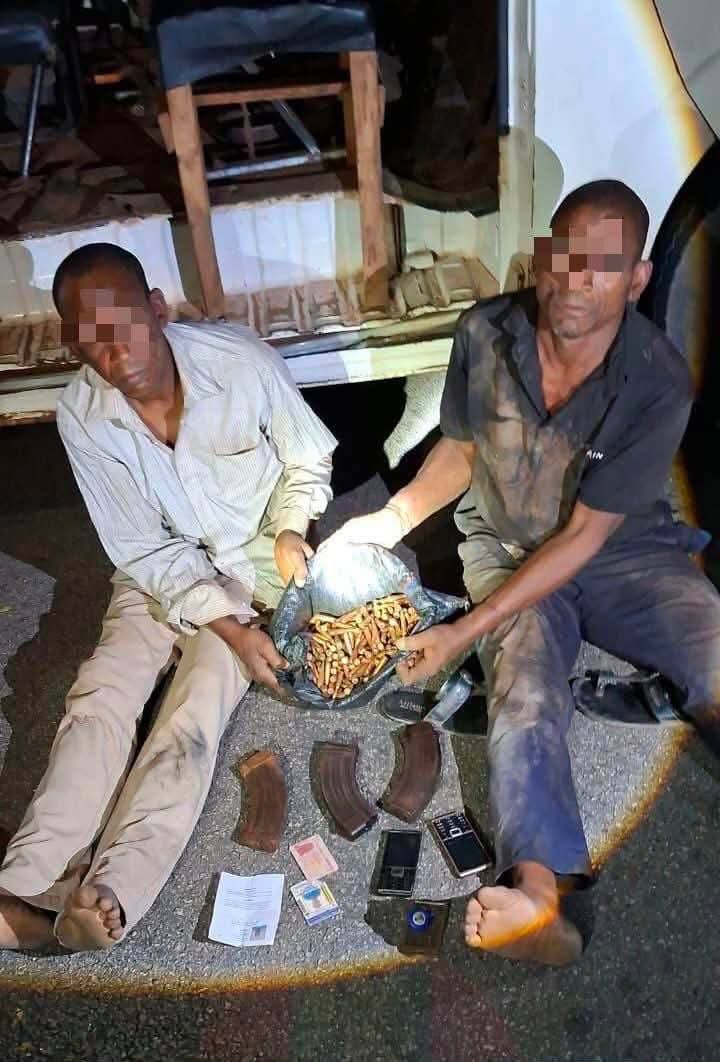
During the operation, troops intercepted a Toyota bus travelling from Makurdi to Obajana. The vehicle was stopped at a response area around Oshokoshoko, where a meticulous search led to the arrest of two suspected terrorist logistics couriers: Mallam Zubairu Abubakar and Adamu Abubakar Abdullahi.
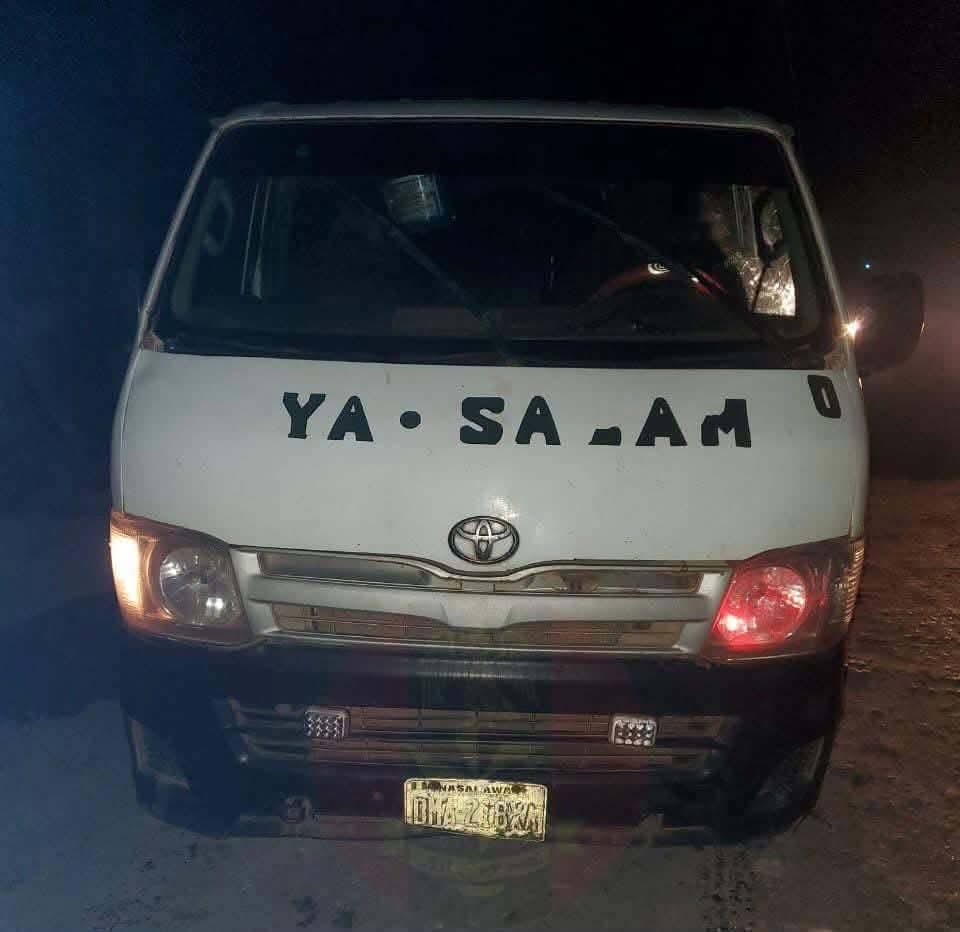
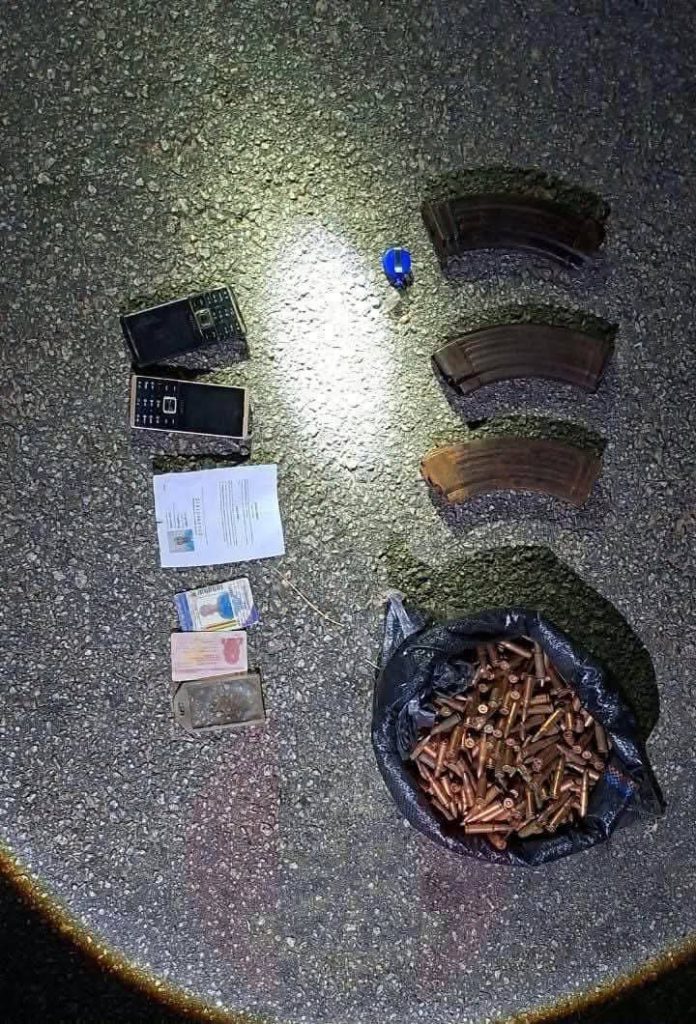
Inside the bus, soldiers recovered a sack containing 314 rounds of 7.62mm Special ammunition, alongside three AK‑47 rifle magazines concealed behind the driver’s seat. Authorities believe the consignment was intended to rebuild and sustain an already disrupted terror logistics chain, underscoring the continued reliance of insurgents on concealed supply routes.
Paraphernalia, handover, and wider context
In addition to the ammunition and magazines, troops recovered two mobile phones, a driver’s licence, a National Identification Number slip, and an identity card from the suspects. Security sources indicated that these items will be examined for contact‑tracing, call data, and potential linkages to other known operatives and terror cells in the North‑Central and Middle Belt zones.
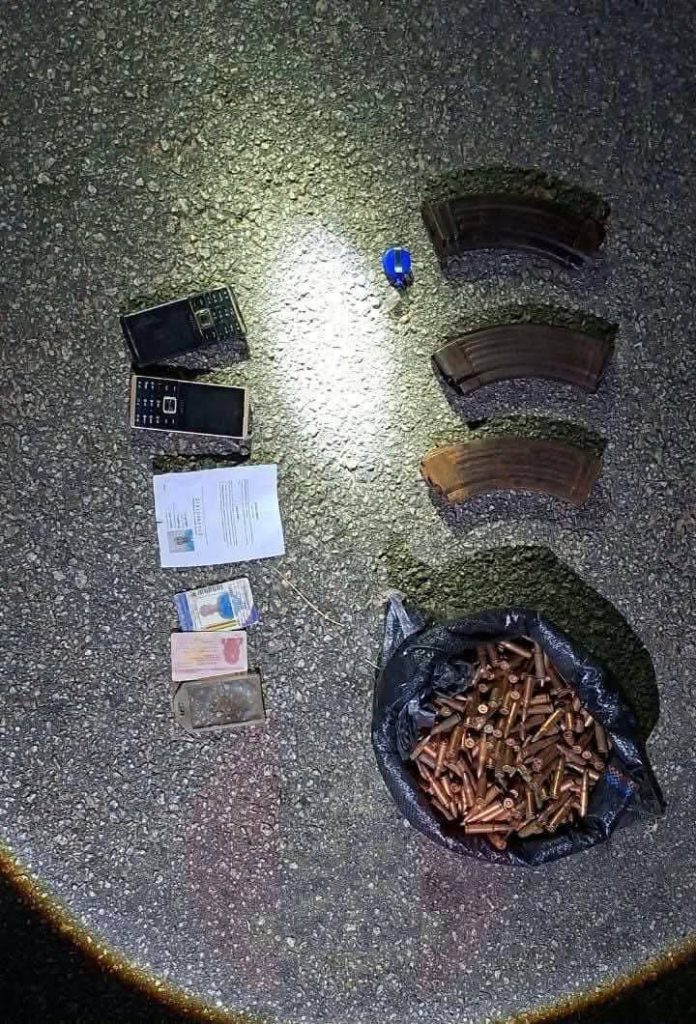
The suspects and all recovered items have been handed over to the 12 Military Intelligence Brigade for further interrogation, forensic checks, and possible prosecution. Military officials stressed that the operation is part of a broader campaign—already including raids on camps in Yagba West and Owara—that aims to deny terrorists freedom of movement and choke off their access to weapons, funds, and food supplies.

Commentary and implications
The two‑month sequence of successes—including the earlier arrest of high‑profile ammunition courier Mathew Elisha (alias Nasara) in late March—highlights the increasing reliance on joint intelligence and mobility‑based checkpoints to intercept terror logistics rather than waiting for large‑scale attacks. For residents of Lokoja and adjoining communities, the disruption of these routes is being seen as a step toward stabilising the North‑Central security outlook, though security analysts warn that “logistics war” will persist as long as insurgent and bandit networks retain remote hideouts across the region’s forested and riverine belts.
The Army’s public‑relations statement, signed by Lt. Hassan Abdullahi of 12 Brigade, underscores an explicit doctrine of preemptive interdiction, with leadership emphasising that future operations will continue to target both high‑value operatives and the shadowy couriers who move arms under the cover of commercial traffic.
Do you want to advertise with us?
Do you need publicity for a product, service, or event?
Contact us on WhatsApp +2348033617468, +234 816 612 1513, +234 703 010 7174
or Email: validviewnetwork@gmail.com
CLICK TO JOIN OUR WHATSAPP GROUP