



Public servants across Nigeria are on the brink of industrial action, with the Joint National Public Service Negotiating Council (JNPSNC) declaring that a three-day nationwide warning strike will begin on Friday, October 2, if the Federal Government fails to meet critical demands by the close of today, September 30.
The ultimatum, first issued in a September 21 letter to President Bola Tinubu and reaffirmed in a statement on Tuesday, centres on three urgent issues: slashing the pump price of Premium Motor Spirit (PMS) to ₦500 per litre, the immediate announcement of a wage award to cushion soaring living costs, and the constitution of a tripartite committee to begin negotiations for a new national minimum wage due in 2027.
Leaders of the JNPSNC, which represents eight public-sector unions including the Nigerian Civil Service Union, Association of Senior Civil Servants of Nigeria, Medical and Health Workers Union, National Association of Nigerian Nurses and Midwives, and others, said they have already mobilised workers nationwide. National Secretary Olowoyo Gbenga stressed that the September 30 deadline remains “sacrosanct,” particularly as workers expect President Tinubu to address the concerns in his Independence Day broadcast tomorrow.
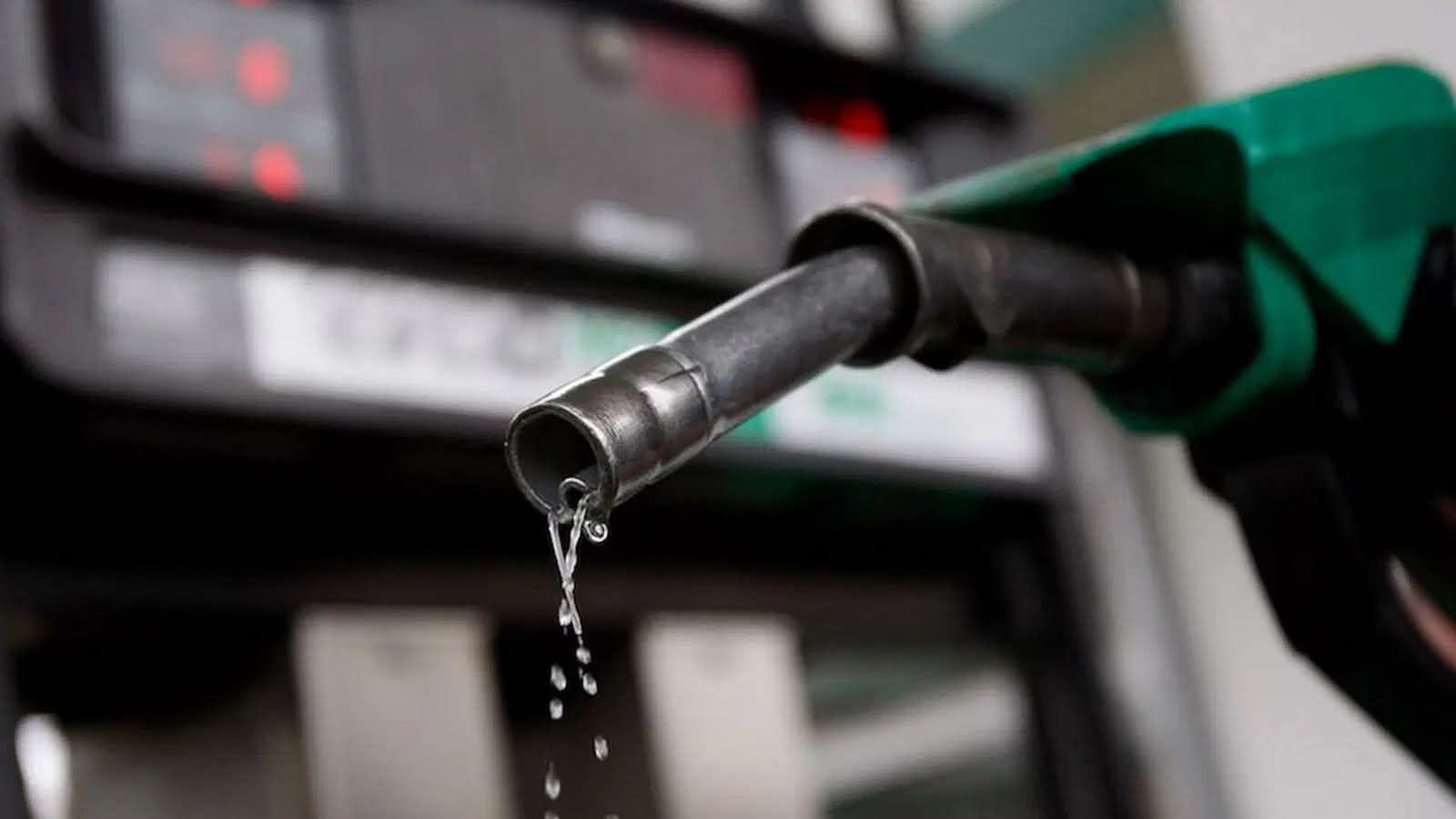
“The current price of PMS, ranging from ₦1,450 to ₦2,000 and, in some locations outside major communities and cities, as high as ₦2,500 per litre, is unacceptable to Nigerian workers,” the council stated. It argued that the high cost of fuel is placing severe pressure on workers, their dependants and the wider population, making dignified living increasingly difficult.
To achieve the ₦500 target, the JNPSNC called for an intervention fund to address landing costs and support oil and gas operators, alongside the sale of crude oil to the Dangote Refinery and modular refineries on favourable terms to boost domestic refining. Recent market data shows petrol still trading well above the demanded level, with depot prices around ₦1,300–₦1,325 in major centres and retail pump prices commonly between ₦1,350 and ₦1,450 in late September, though some temporary reductions have been recorded.

On wages, the council is demanding an immediate award to provide interim relief while pushing for the early start of minimum-wage talks. Sources close to the process indicate the unions have floated a figure of not less than ₦500,000 as the new national minimum for the lowest cadre under a 2027 salary template, arguing that the current ₦70,000 minimum has already been eroded by inflation.
The Nigeria Labour Congress has thrown its full weight behind the public-sector unions.
Assistant General Secretary Chris Onyeka told journalists that the hardship is nationwide and affects private-sector, state and informal workers alike. He expressed disappointment that government has yet to roll out meaningful cushioning measures despite the recent fuel-price surge and warned that failure to address the demands could escalate into a broader national strike involving all workers.
The Federal Workers Forum has also voiced support, urging members to prepare for industrial action and calling for a salary review with a proposed minimum of ₦300,000 and a maximum of ₦1.5 million for Grade Level 17 officers. It further demanded full implementation of the existing ₦70,000 minimum wage, including arrears and the 40 per cent peculiar allowance.
Efforts to obtain an official response from the Federal Ministry of Labour and Employment were unsuccessful at the time of filing this report. A ministry source, however, indicated that the appropriate authorities are handling the matter following the unions’ letter to the President.
With Independence Day tomorrow and the strike clock ticking toward October 2, all eyes are now on whether the government will respond with concrete measures on fuel pricing, interim wage relief and the commencement of minimum-wage negotiations—or face the first major public-sector industrial action of the new quarter.
Do you want to advertise with us?
Do you need publicity for a product, service, or event?
Contact us on WhatsApp +2348033617468, +234 816 612 1513, +234 703 010 7174
or Email: validviewnetwork@gmail.com
CLICK TO JOIN OUR WHATSAPP GROUP