



ABUJA — Nigeria is on the verge of a historic overhaul of its internal security architecture. The Presidency has confirmed that the constitutional framework required to establish state police is nearing completion, with formal legislative amendments expected to hit the National Assembly shortly.
The breakthrough follows months of intensive, high-level consultations between the Executive, federal lawmakers, and top security chiefs, aimed at decentralizing the nation’s heavily centralized policing system.
Moving Past the “If” to the “How”
Briefing State House correspondents in Abuja after a pivotal consultative meeting, the Chief of Staff to the President, Rt. Hon. Femi Gbajabiamila, revealed that the national debate has fundamentally shifted. The question is no longer whether Nigeria needs sub-national policing, but how to construct a foolproof legal framework to govern it.

”Establishing state police is not something that you do with the snap of the fingers,” Gbajabiamila cautioned, emphasizing the legal complexities involved. “There is a lot involved in terms of constitution and legalities, and thank God we have now gained a lot of traction. Right now, what we are looking at is the constitutional amendment itself, and then the enabling law would follow thereafter.”
The initiative stems from an explicit directive issued months ago by President Bola Ahmed Tinubu, who has consistently championed decentralized policing as an unavoidable remedy for Nigeria’s persistent security challenges, including banditry and rural terror.
Legislative Blueprint and Timelines
The Senate has already signaled its readiness to expedite the process, with commitments emerging to deliver the ratified constitutional amendment before the end of 2026. The legislative strategy reportedly involves transferring policing from the Exclusive Legislative List to the Concurrent List, enabling federal and state police structures to coexist legally.
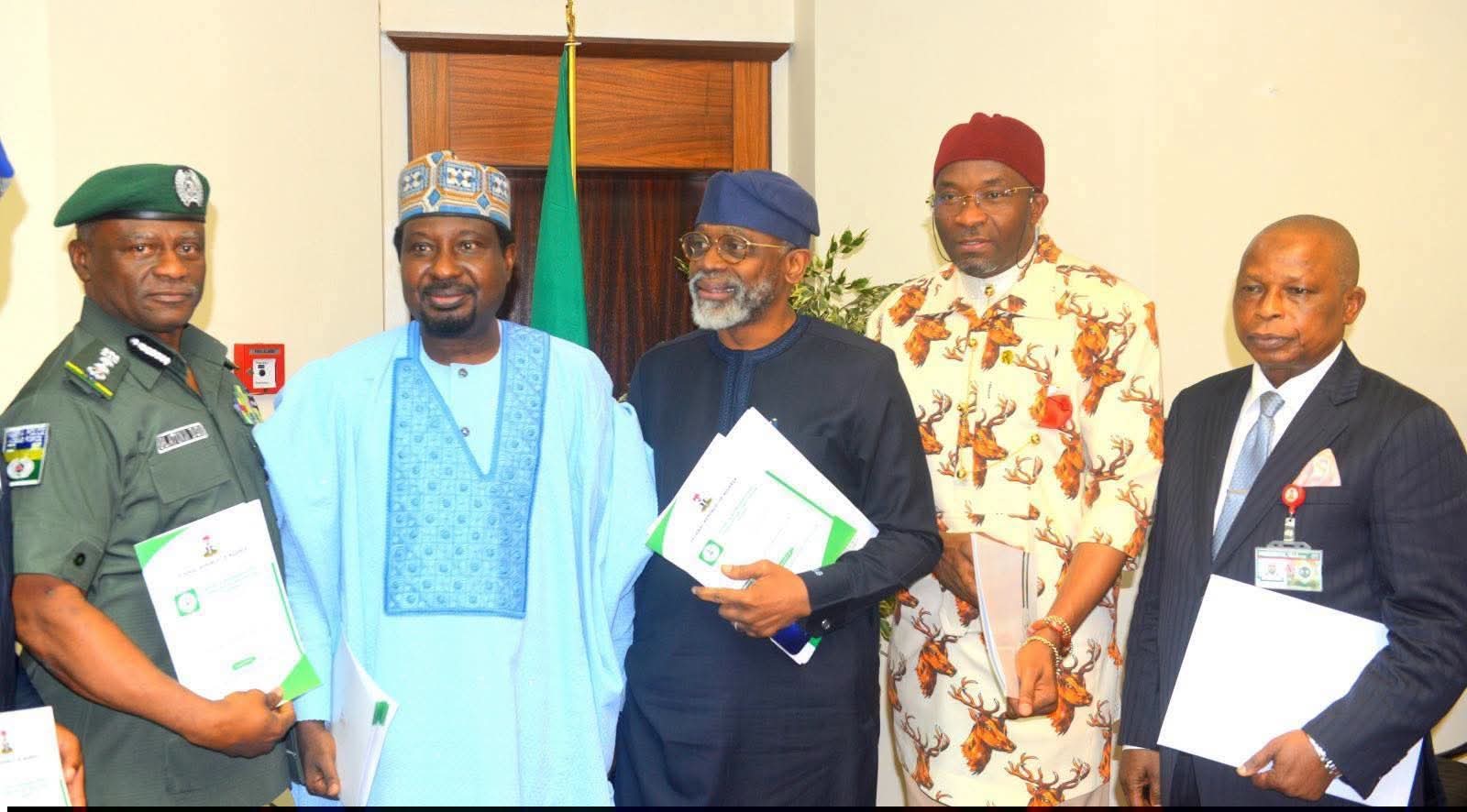
The high-stakes meeting at the Presidential Villa brought together key architectural minds behind the reform, including:
- Senator Jibrin Barau, Deputy Senate President
- Hon. Benjamin Kalu, Deputy Speaker of the House of Representatives
- Prince Lateef Fagbemi (SAN), Attorney-General of the Federation and Minister of Justice
- Tunji Disu, Inspector-General of Police
Balancing Local Intelligence with Guardrails
Proponents of the shift argue that localized police forces will dramatically improve grassroots intelligence gathering and speed up response times to local threats. However, the policy transition is being approached with deliberate care to address lingering national anxieties.
President Tinubu has explicitly warned against a “free fall,” urging lawmakers to bake strict checks and balances into the enabling laws to prevent state governors from hijacking local police forces for political intimidation. Socio-political groups have similarly demanded robust statutory guardrails to ensure ethnic neutrality and allow citizens the right to challenge local police overreach in court.
A comprehensive report detailing the structural and legal outcomes of these consultations will be submitted to President Tinubu this week to pave the way for the draft bill’s formal introduction.
For deeper insights into the legislative timeline and political dynamics shaping this security overhaul, watch this report on how the Senate promises to deliver the State Police bill by the end of 2026, detailing the parliamentary commitment behind the presidency’s announcement.
Do you want to advertise with us?
Do you need publicity for a product, service, or event?
Contact us on WhatsApp +2348033617468, +234 816 612 1513, +234 703 010 7174
or Email: validviewnetwork@gmail.com
CLICK TO JOIN OUR WHATSAPP GROUP