



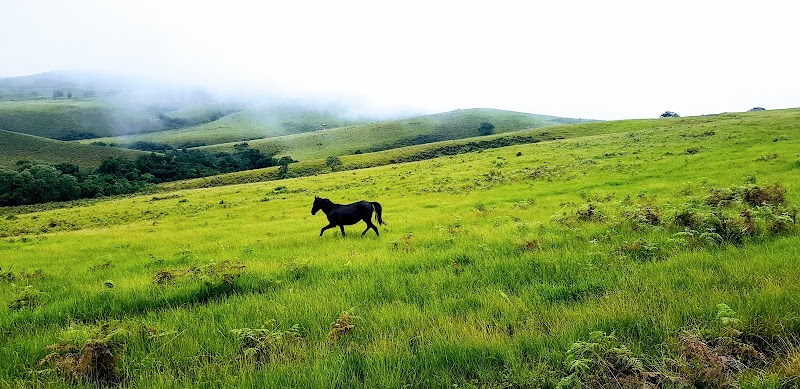
There is something profoundly wrong with the way we talk about wildlife in Nigeria.
Mention wildlife and many people immediately imagine a lion, elephant, leopard or perhaps a gorilla behind the bars of a zoo.
That is wildlife, but it is only the glamorous end of the conversation.
Wildlife is fundamentally about wild organisms (living things) living outside human domestication and cultivation. It includes animals, plants and other organisms that exist as components of natural ecosystems. It is about nature retaining its own genetic, ecological and evolutionary processes.
That distinction matters. A liger (an offspring from a cross between a lion and a tigress) may look spectacular. A tigon (an offspring from a cross between a tiger and a lioness) may look exotic.
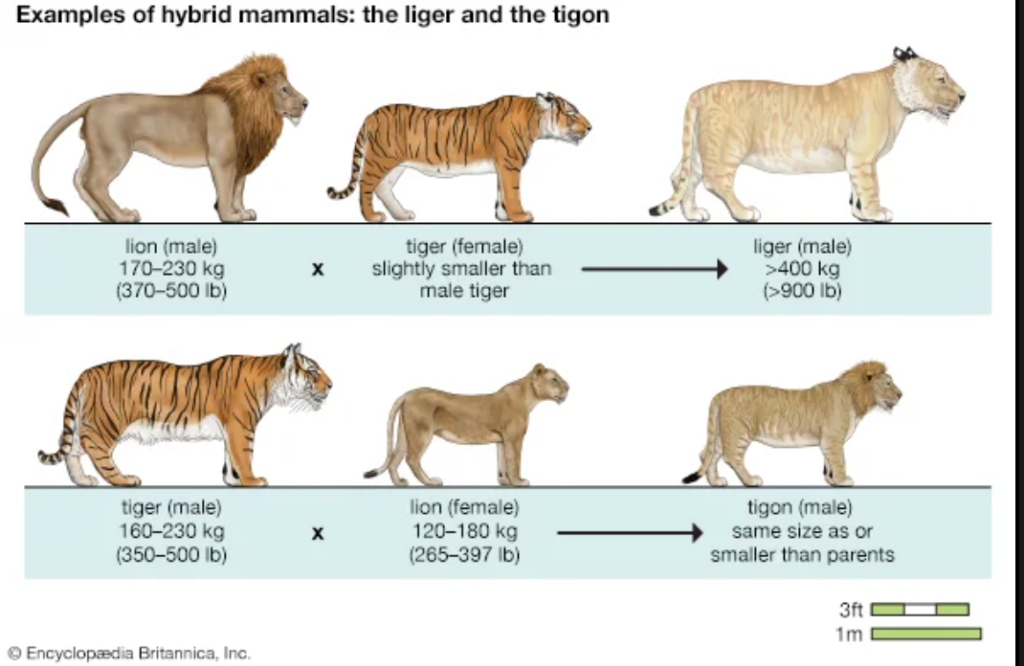
But neither is a naturally occurring wildlife species. They are products of deliberate human breeding between different species. Nature did not produce them as populations in the wild.
And this is where conservation begins to become fascinating. We are not simply protecting individual animals. We are protecting processes.
A forest is not merely trees. A wetland is not merely waterlogged land. A rangeland is not merely grass for cattle.
They are living systems in which plants, herbivores, predators, insects, fungi, microorganisms, water, soil and climate interact.
Remove one important component and the consequences can travel much further than expected. That is why population dynamics matters.
Wildlife populations are constantly responding to births, deaths, immigration, emigration, food availability, predation, disease and changes in habitat. When humans destroy habitat faster than populations can recover, wildlife does not simply disappear overnight.
Its numbers decline, its range contracts, its genetic diversity can weaken and eventually the ecosystem itself begins to change.
The grasslands we barely notice
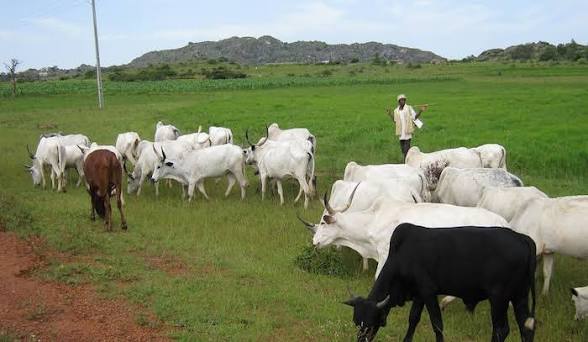
This is where Nigeria’s rangelands deserve far more attention. Rangelands are landscapes dominated by grasses, herbs, shrubs and other vegetation that support grazing animals and a remarkable variety of wildlife.
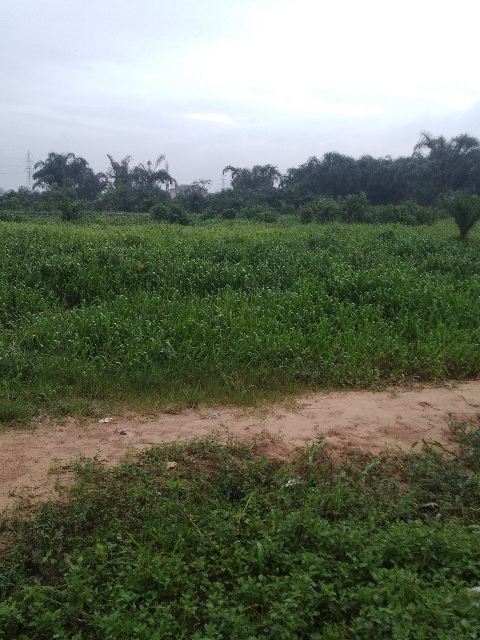
Properly managed, they provide forage, protect soil, store carbon, regulate water and support livelihoods.Research on the Mambilla Plateau has already identified overgrazing and erosion among significant threats to its natural rangelands.
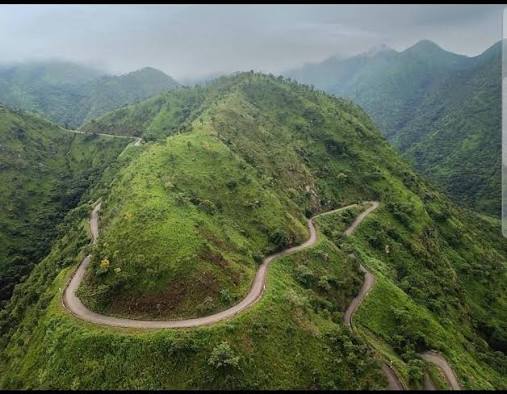
And then there is Gembu and the Mambilla landscape. It is easy to look at those green highlands and see beautiful scenery. An ecologist sees something else. A water tower. A biological storehouse. A habitat. A grazing system. A genetic reservoir.
The Mambilla Plateau contains important montane ecosystems, while places such as Ngel Nyaki support significant biodiversity, including endemic and threatened species.
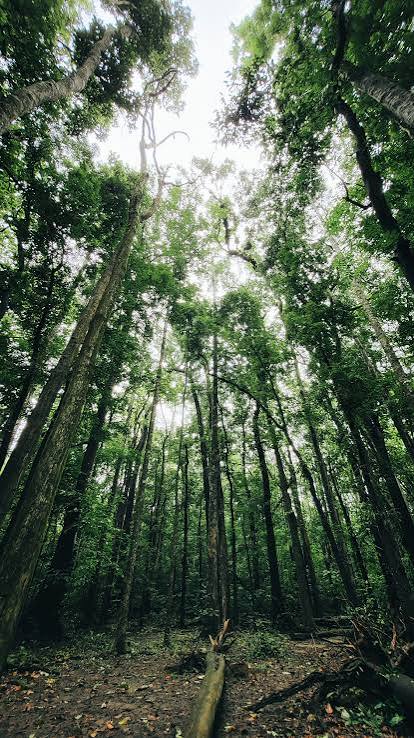
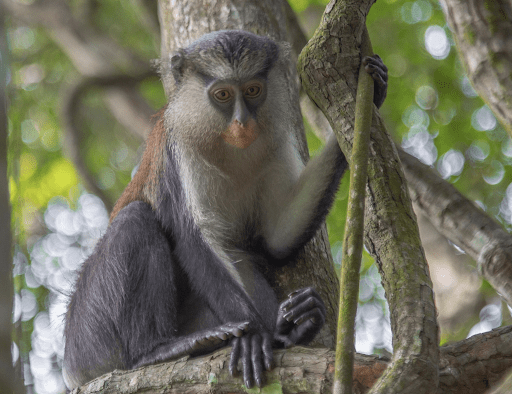
Destroying such landscapes is therefore not simply destroying grass. It is dismantling an ecological machine that took thousands, sometimes millions, of years to assemble.
Then come the wetlands

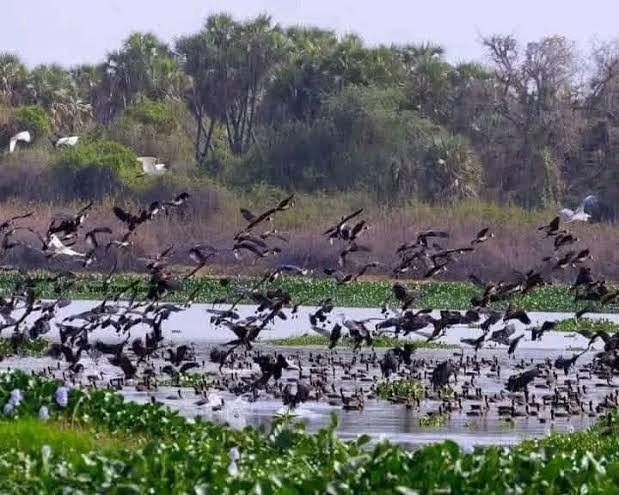
Nigeria’s wetlands tell another part of the story. The Hadejia-Nguru wetlands, for instance, support hundreds of bird species and are particularly important for waterbirds, including migratory species that travel enormous distances between continents.
Think about that for a moment. A wetland in northern Nigeria can become part of the life journey of a bird that has travelled thousands of kilometres.
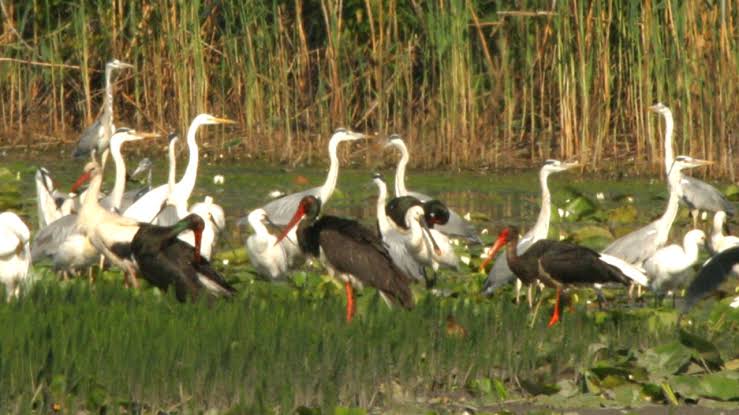
What we destroy locally can therefore have consequences internationally. Wetlands store water, support fisheries, provide habitat, recharge ecological systems and help communities survive difficult seasons.
Do you want to advertise with us?
Do you need publicity for a product, service, or event?
Contact us on WhatsApp +2348033617468, +234 816 612 1513, +234 703 010 7174
or Email: validviewnetwork@gmail.com
CLICK TO JOIN OUR WHATSAPP GROUP
They are not wastelands waiting for development. They are infrastructure provided by nature. And unlike a badly constructed road, nature’s infrastructure does not send us a bill before it begins working.
ValidViewNetwork reports that the world’s rangelands are already under enormous pressure, with the UNCCD estimating that about half have suffered degradation.
Nigeria cannot afford to treat its remaining natural landscapes as expendable. There is a deeper lesson here.
Nature does not separate wildlife conservation from human welfare. The grass feeds the herbivore.The herbivore supports the predator.Vegetation protects the soil.
Healthy soil supports plants. Plants influence water and climate. Wetlands hold and filter water. Pollinators support agriculture. Decomposers return nutrients to the soil.
The system keeps moving. We are inside that system. That is the uncomfortable truth. We are not standing outside nature, supervising it. We are one of its species.
And if Nigeria destroys its rangelands, wetlands, forests and wildlife in the name of development, it may eventually discover that development without ecological intelligence is simply another word for borrowing prosperity from tomorrow.
As an ecologist, I have come to realise that the more one understands ecology, the harder it becomes to look at a landscape as “empty land.”
There is almost never empty land. There is only life we have not learned to see. ValidViewNetwork reports.