

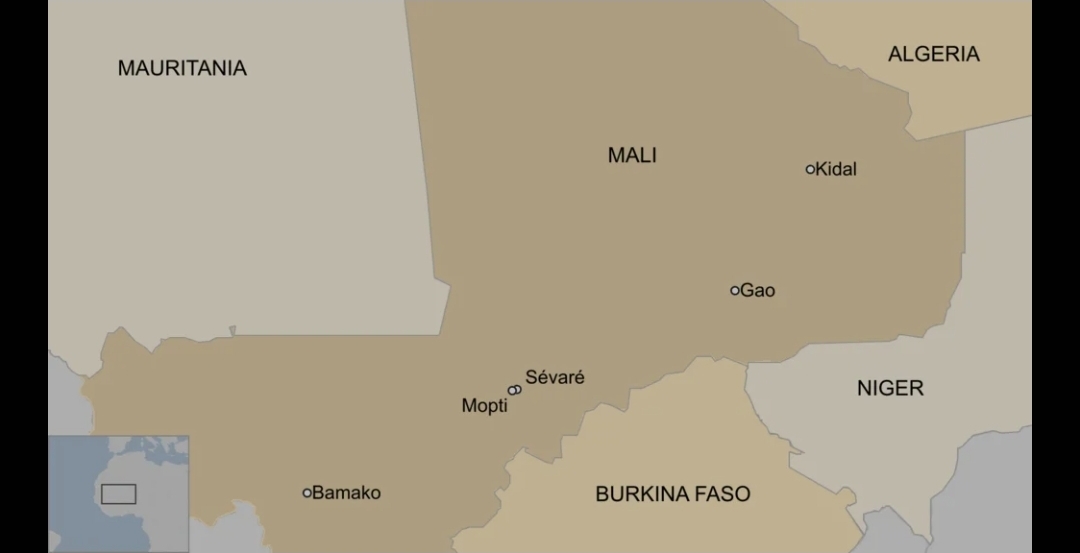
BAMAKO – Mali has been plunged into a state of emergency following a weekend of unprecedented, multi-front violence that has seen jihadist insurgents and ethnic Tuareg separatists unite in a rare, high-stakes offensive against the ruling military junta.
From the northern desert strongholds to the high-security streets of the capital, Bamako, the West African nation is reeling from what analysts describe as the most sophisticated and widespread coordinated assault in recent memory.
A Nation Under Fire
The violence erupted late Saturday and surged into Sunday morning. While the capital dealt with explosions and heavy gunfire, strategic northern cities including Kidal, Gao, and Timbuktu became primary battlegrounds.
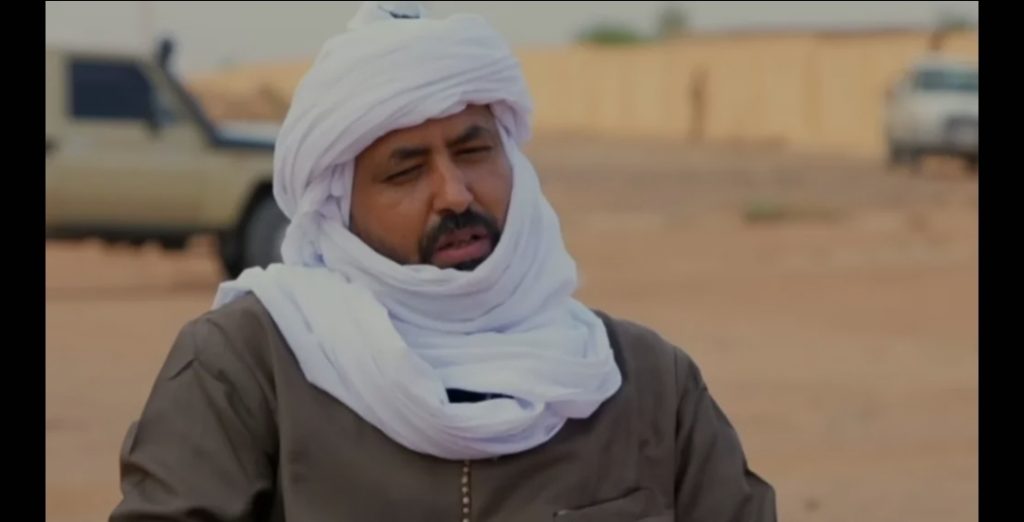
The Azawad Liberation Front (FLA), a separatist movement seeking a Tuareg state, confirmed it has successfully breached the city of Kidal. Mohamed Elmaouloud Ramadane, an FLA spokesperson, told reporters that while remnants of the Malian army and Russian paramilitary forces remain in pockets of the city, the “gates of Gao” have fallen, and the group is pushing to sever supply lines to the north.
Simultaneously, the al-Qaeda-affiliated Jama’at Nusrat al-Islam wal-Muslimin (JNIM) claimed responsibility for strikes in central and southern Mali, including attacks near the Kati military base—the heart of the junta’s power.
The Unlikely Alliance
The most alarming development for regional security experts is the public confirmation of collaboration between the secular FLA and the Islamist JNIM. Historically at odds, the two groups appear to have forged a tactical alliance to dismantle the government’s presence in northern and central territories.
”We have been planning this operation for a long time,” Ramadane stated. “Coordination was a necessity.”

Government and International Reaction
The Malian military, led by Gen. Assimi Goïta, has struck a defiant tone. Official statements claim that “several hundred” militants have been killed and that the situation is being brought under control. However, reports of an imposed 21:00 to 06:00 curfew in Bamako and the temporary closure of the international airport suggest a more precarious reality.
The international community has responded with swift condemnation:
- The African Union: Expressed “deep concern” over the risk to civilian populations.
- The UN: Secretary-General Antonio Guterres called for urgent international support to meet the “evolving threat.”
- The US State Department: Extended condolences to victims while affirming support for the Malian people.
The Russian Factor
The escalations highlight the shifting security landscape since the 2020 coup. After the junta expelled French forces and UN peacekeepers, they turned to Russian mercenaries to maintain order. This weekend’s losses, including unverified footage of a downed military helicopter and overran camps, raise sharp questions about the efficacy of this partnership in the face of a dual-front insurgency.
As of Sunday evening, checkpoints remain active across Bamako, and the road between Kidal and Tessalit remains a flashpoint for heavy fighting. For a population that supported the junta’s promise of restored security, the sound of gunfire in the capital serves as a grim reminder of how far that goal remains.
Do you want to advertise with us?
Do you need publicity for a product, service, or event?
Contact us on WhatsApp +2348033617468, +234 816 612 1513, +234 703 010 7174
or Email: validviewnetwork@gmail.com
CLICK TO JOIN OUR WHATSAPP GROUP