


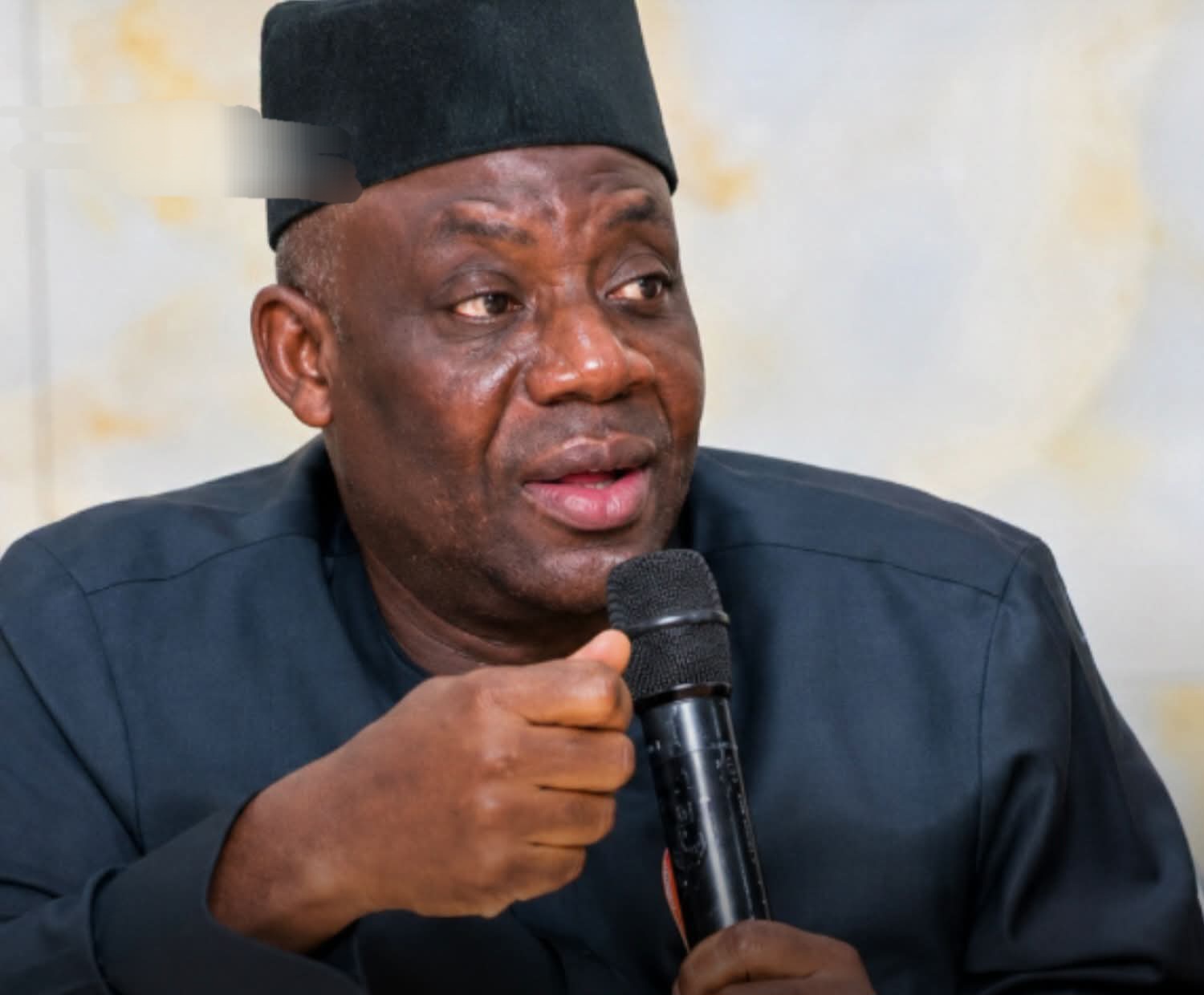
The Federal Government has initiated the 2026 Tertiary Institutions National Laureate Programme, unveiling an unprecedented ₦365 million prize pool designed to champion groundbreaking student research across the nation’s higher education sector.
Spearheaded by the Minister of Education, Dr. Tunji Alausa, the expanded initiative aims to spotlight academic excellence by recognizing top-tier undergraduate projects, master’s theses, and doctoral dissertations. Eligible institutions span universities, polytechnics, colleges of education, monotechnics, and military training institutions.
Implementation and Structure
In a formal communication dated July 31, 2026, sent to vice-chancellors, rectors, provosts, and commandants, the Chairman of the National Laureate Committee, Emeritus Professor Abubakar Sambo, outlined the framework for the nationwide competition. Committee spokesperson Ita Ekpeyong confirmed that the initiative officially commenced on Sunday in Abuja.
To ensure a rigorous and transparent vetting process, the government has mandated all participating institutions to immediately establish internal Institutional Laureate Selection Committees comprising senior academics. The designated leadership and membership details for these local panels must be formally submitted to the National Laureate Committee.
Additionally, professional bodies have been formally invited to nominate industry and academic experts to sit on Regional Laureate Committees responsible for secondary evaluation of entries.

Quotas and Thematic Focus
To maintain competitive standards, institutional submissions are strictly capped:
- Nomination Cap: Each participating institution is restricted to a maximum of 18 entries.
- Category Breakdown: Submissions are evenly divided into six undergraduate dissertations, six master’s theses, and six doctoral theses (or institutional equivalents for polytechnics and colleges of education).
Qualifying research must directly address critical national development challenges within six designated thematic areas:
- Agriculture
- Teaching Innovation
- Medicine and Health
- Engineering
- Science and Technology
- Law, Arts, and Social Sciences
Do you want to advertise with us?
Do you need publicity for a product, service, or event?
Contact us on WhatsApp +2348033617468, +234 816 612 1513, +234 703 010 7174
or Email: validviewnetwork@gmail.com
CLICK TO JOIN OUR WHATSAPP GROUP



