

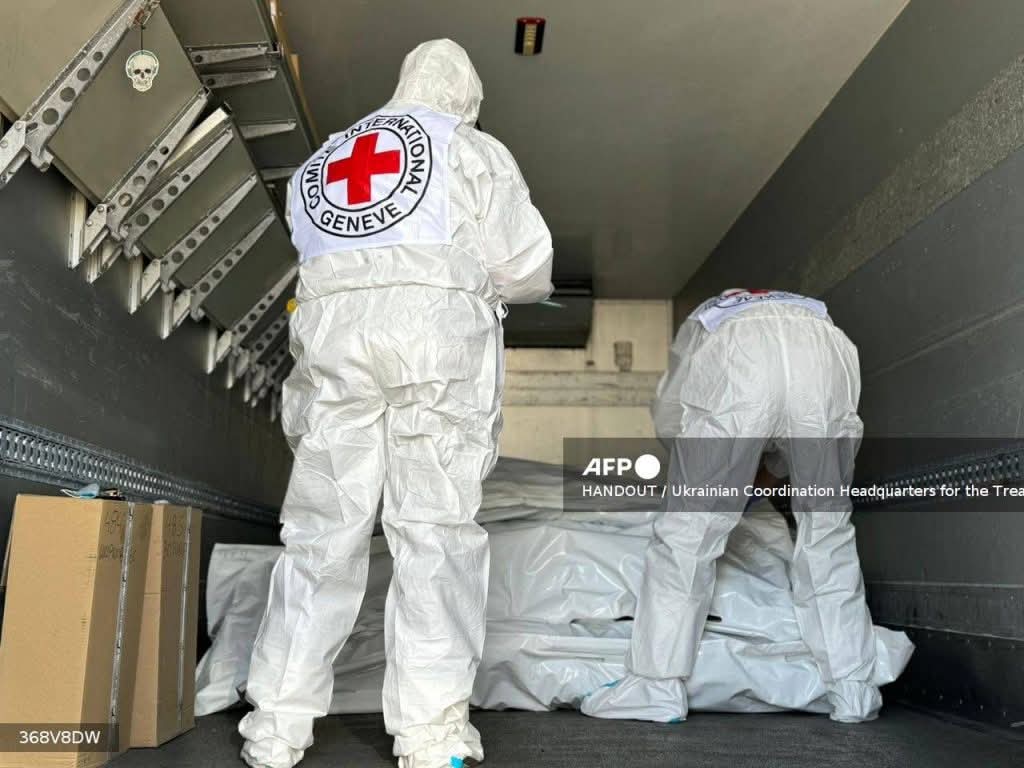
JERUSALEM/GENEVA — The International Committee of the Red Cross (ICRC) issued a chilling ultimatum on Monday, warning that the escalating conflict between the U.S.-Israeli alliance and Iran is rapidly approaching a “point of no return.” The warning follows a weekend of unprecedented strikes targeting nuclear facilities, raising the specter of a regional radiological catastrophe.
ICRC President Mirjana Spoljaric demanded an immediate end to the “war on essential infrastructure,” specifically highlighting the extreme risks posed by military operations near nuclear sites.
“Most alarming is the potential harm to nuclear facilities, whether deliberate or incidental,” Spoljaric stated. “Damage to these sites could trigger irreversible consequences, which is why they are afforded heightened protections under the rules of war.”

The conflict, which erupted on February 28, 2026, took its most dangerous turn yet over the weekend. On Saturday, an Iranian missile struck the southern Israeli town of Dimona, home to the Negev Nuclear Research Center. Israeli medics reported nearly 200 injuries in the area, with shrapnel damaging residential buildings.
Tehran claimed the strike was a direct retaliation for a U.S.-led “bunker buster” attack earlier that morning on the Natanz uranium enrichment complex in central Iran. While the International Atomic Energy Agency (IAEA) has so far reported no detected radiation leaks at either site, the proximity of the explosions has shattered long-standing taboos regarding the targeting of nuclear-related geography.
The humanitarian plea coincided with a sudden shift in rhetoric from Washington. U.S. President Donald Trump announced on Monday that he is placing a 48-hour ultimatum to “obliterate” Iranian power infrastructure on hold. The pause follows what Trump described as “very good” talks with unnamed Iranian officials—a claim the Iranian Foreign Ministry has since denied, suggesting the U.S. is merely attempting to stabilize surging global energy prices.
Before the pause, Iran had threatened to “completely close” the strategic Strait of Hormuz and deploy naval mines if its power plants were targeted.
The ICRC maintains that the strategy of targeting dual-use infrastructure—power grids, water plants, and energy hubs—is a direct assault on the civilian population.
“War on essential infrastructure is war on civilians,” Spoljaric cautioned, noting that millions are already suffering from the loss of basic services. “This pattern… normalizes a style of warfare that strips away our shared humanity.”
As the five-day window for negotiations begins, the world remains on edge, watching whether diplomacy can pull the region back from the brink of a nuclear-tinged disast
Do you want to advertise with us?
Do you need publicity for a product, service, or event?
Contact us on WhatsApp +2348033617468, +234 816 612 1513, +234 703 010 7174
or Email: validviewnetwork@gmail.com
CLICK TO JOIN OUR WHATSAPP GROUP