MIAMI — The United States has escalated pressure on Cuba following the indictment of former Cuban president Raúl Castro over the 1996 downing of two civilian aircraft, US officials said, deepening a diplomatic rift between Washington and Havana.
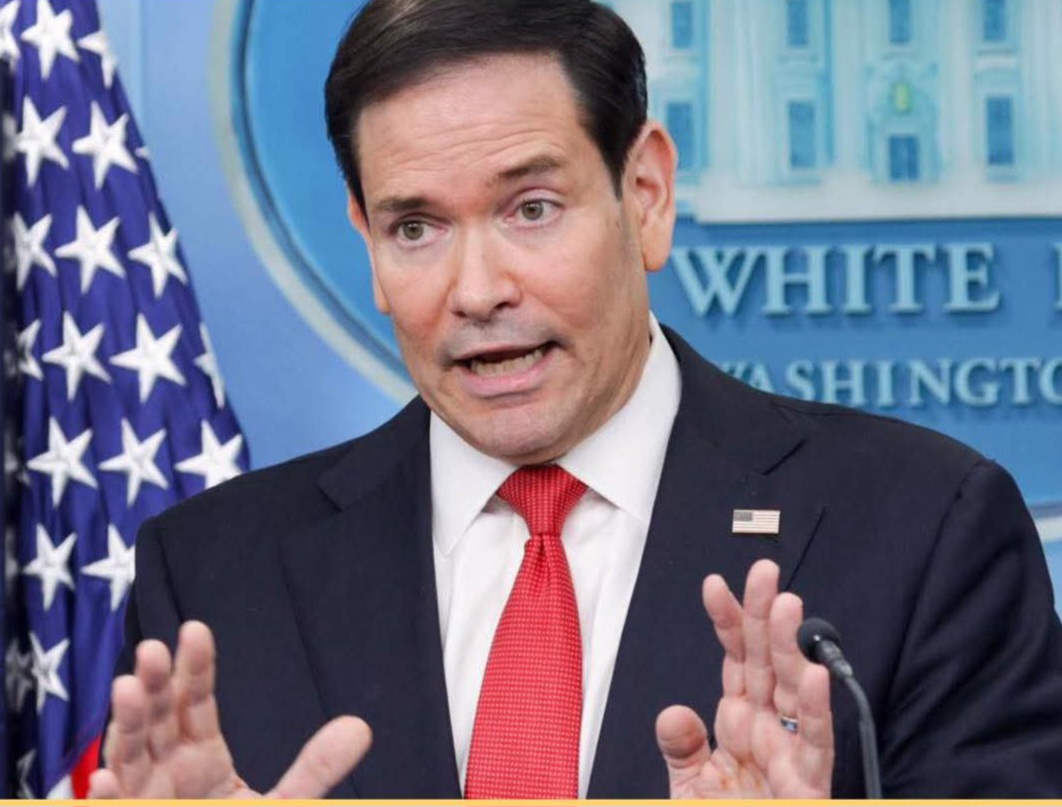
US Secretary of State Marco Rubio, a Cuban‑American and long‑time critic of the island’s Communist government, described Cuba as a “failed state” at a press briefing in Miami and warned that the US is intensifying efforts to force political and economic change. “Their economic system doesn’t work. It’s broken, and you can’t fix it with the current political system that’s in place,” Rubio said. He added that the administration remains committed to a diplomatic resolution but is prepared to consider other measures if necessary.
Rubio told reporters the administration is pursuing a package of measures combining pressure and conditional engagement. He said Cuba has tentatively accepted a proposed $100 million US aid offer tied to political and economic reforms, but negotiations remain uncertain because Washington insists the funds bypass GAESA, the military‑linked conglomerate that controls large parts of Cuba’s economy.
The moves follow the US indictment of Raúl Castro on charges connected to the 1996 destruction of two civilian planes flown by anti‑Castro activists, an incident that killed four people. The charges include murder-related counts, conspiracy to kill Americans and destruction of aircraft, US authorities said. Havana has long defended the shootdown as “legitimate self‑defense” against what it described as an airspace violation, and Cuban officials denounced the indictment as a “despicable” provocation that has prompted calls for public protests.
Tensions rose further when the US Navy confirmed that the aircraft carrier USS Nimitz and accompanying warships entered the Caribbean. President Donald Trump, however, denied the deployment was intended as a threat to Cuba, telling reporters: “No, not at all.”
Rubio also announced new enforcement actions aimed at GAESA. Earlier this month the US imposed targeted sanctions on the conglomerate, which Washington says funnels profits to Cuba’s military leadership. Rubio said US immigration authorities arrested Adys Lastres Morera, identified as the Florida‑based sister of a GAESA executive, and revoked her permanent resident status. In a post on X he accused her of “managing real estate assets…while also aiding Havana’s communist regime.”

Cuba’s government has reacted angrily to the latest US moves, calling the indictment an attempt to undermine the island’s sovereignty and rallying supporters to the streets. State media and officials have framed the charges as politically motivated and insisted Cuba will respond to any US escalation.
Analysts say the latest developments mark a further hardening of US policy toward Havana after years of fluctuating engagement. The combined use of criminal charges, sanctions on economic actors tied to the military, and a visible naval presence signals a multi‑pronged strategy intended to squeeze Cuba’s ruling apparatus while offering conditional aid to incentivize reforms.
Do you want to advertise with us?
Do you need publicity for a product, service, or event?
Contact us on WhatsApp +2348033617468, +234 816 612 1513, +234 703 010 7174
or Email: validviewnetwork@gmail.com
CLICK TO JOIN OUR WHATSAPP GROUP