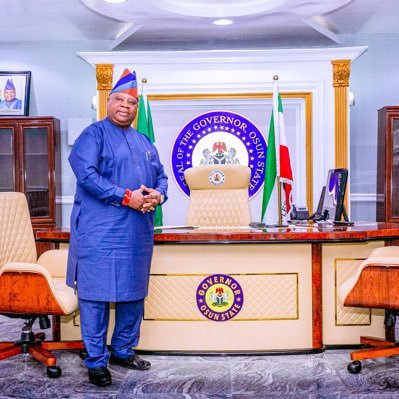
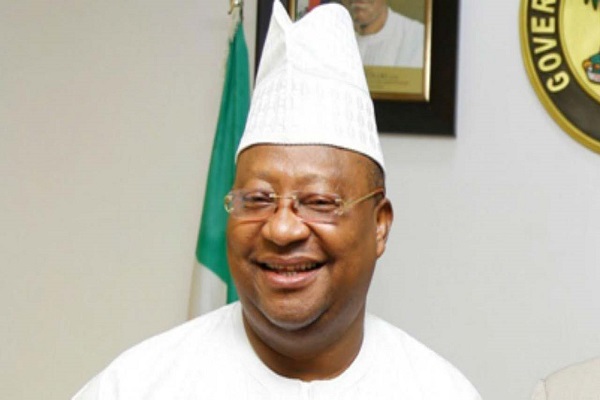
The 2026 Osun governorship election has done more than return Ademola Adeleke to office. It has changed the political weight of the governor.
Adeleke is no longer simply the man who defeated Gboyega Oyetola in 2022. He is now a two-term governor who has survived three major governorship contests, moved from the PDP to Accord, defeated the APC while the party controls Abuja, and expanded his statewide vote.
That deserves a serious post-mortem. Not celebration alone. Not propaganda. And certainly not the lazy argument that one election result settles everything. The numbers tell a more interesting story.
The numbers show a political progression
Adeleke’s political journey in Osun becomes clearer when the three governorship elections are placed side by side. In 2018, he came remarkably close. The first round gave Adeleke 255,023 votes against Oyetola’s 255,505. The election went into a rerun, which Oyetola eventually won by 482 votes.
Four years later, Adeleke returned. This time, he defeated Oyetola by 28,344 votes. He scored 403,371 votes against Oyetola’s 375,027 and won 17 of the 30 local governments.
Then came 2026. Adeleke increased his vote to 511,067. Oyebamiji scored 444,815. The margin rose to 66,252 votes.
More importantly, Adeleke won 19 of the state’s 30 local governments.
That is not a marginal improvement. It is a clear electoral expansion. The governor has increased his statewide vote by more than 100,000 since 2022. He has also added two local governments to his winning column.
That does not mean Adeleke now owns Osun. It means something more precise. His personal electoral base has become considerably harder to dismiss.
Ede remains the foundation, but Osun is bigger than Ede
The easiest explanation for Adeleke’s success is the Adeleke family name. That explanation is incomplete. Ede remains crucial to him.
In 2022, Adeleke widened his advantage in both Ede councils. He won Ede North by 14,328 votes and Ede South by 13,734 votes.
The 2026 numbers are even more striking. Adeleke’s Ede North vote rose to 35,427, while Oyebamiji managed 10,283. In Ede South, Adeleke scored 26,188 against Oyebamiji’s 6,219.
He has repeatedly performed strongly in parts of Osun West. He has also penetrated areas where the Adeleke name alone cannot explain the vote.
In the 2022 election, he secured 51,751 votes in Osogbo against Oyetola’s 41,661. In 2026, Adeleke won the state capital with 36,480 votes to Oyebamiji’s 30,474, a considerably narrower 6,006-vote margin. Though it’s a low margin win, the 2026 result in Osogbo again shows that his appeal extends beyond his hometown.
The 2026 result therefore deserves to be viewed as a statewide political development, not merely an Ede phenomenon. Osogbo is particularly important.
The city had traditionally remained a difficult terrain for the Adeleke political machine. Yet Adeleke’s 2022 performance changed that calculation.
ValidViewNetwork reports that Adeleke’s 2026 victory came across 19 local governments, while Bola Oyebamiji carried 11. The difference matters because a candidate does not win Osun through Ede alone.
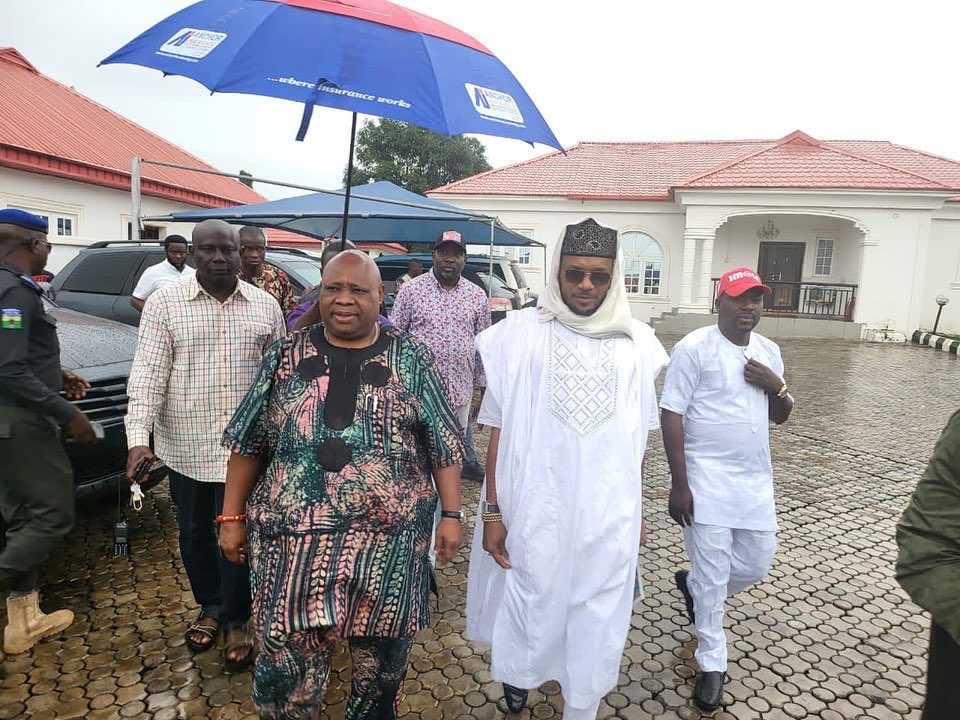
The Omisore calculation deserves attention
There is another political calculation that deserves serious examination. Senator Iyiola Omisore comes from Ile-Ife and belongs to the Osun East political establishment.
The three leading 2026 candidates, however, came from Osun West. Adeleke is from Ede. Oyebamiji is from Ikire. Najeem Salaam is from Ejigbo.
That creates an interesting succession calculation. If Adeleke completes his second term, Osun West will have held the governorship for eight years.
A serious Osun East aspirant could then argue that the political pendulum should move eastward.
But if another Osun West candidate replaces Adeleke in 2030, that argument becomes much harder. That could explain why some politicians from Omisore’s old political network found Adeleke more attractive than Oyebamiji.
It is not proof of a coordinated Omisore strategy. It is a political possibility. Omisore’s former supporters did move toward Adeleke during the 2026 campaign. That movement deserves attention because Osun politics has always involved calculations beyond party labels.
The APC made the election harder for itself
The APC entered the election with one obvious advantage. It controlled the Federal Government. Its campaign repeatedly emphasised federal strength.
Oyebamiji even described himself as the only candidate endorsed by President Bola Tinubu. That strategy carried an obvious risk. It invited voters to judge the election as a contest between Adeleke and federal power.
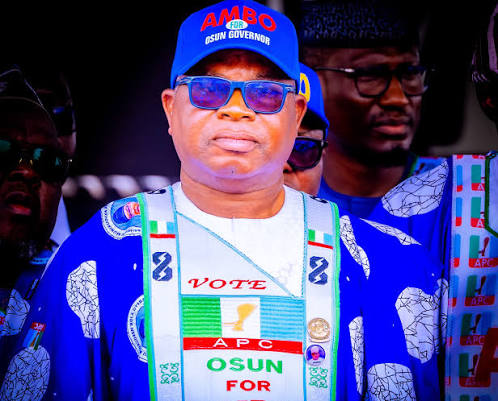
That was probably not the smartest battlefield for the APC. Adeleke could then present himself as the governor standing against a powerful federal establishment.
The political atmosphere made that argument even stronger. His campaign alleged arrests of its supporters. The campaign claimed that more than 86 Accord members had been arrested before the election.
That was an allegation from the campaign, not an independently established figure. The police also arrested Secretary to the Osun State Government Teslim Igbalaiye and others over alleged electoral offences.
The government rejected the allegations against its officials. There was also violence. An Accord supporter was reportedly killed in Esa-Oke in June. An APC campaign procession in Ede separately turned tragic when a truck hit party members, killing one person and injuring seven.
Then came the EFCC controversy. The commission restricted an Osun government account shortly before the election. Adeleke challenged the action and described it as politically motivated. The EFCC’s actions must still be judged on their legal and investigative merits.
But politically, the timing created another problem for the APC. It strengthened the governor’s narrative that federal institutions were being used against him.
This is where Adeleke should now be careful
The election is over. That changes Adeleke’s responsibility. Before the election, he had every right to fight. After the election, he must govern.
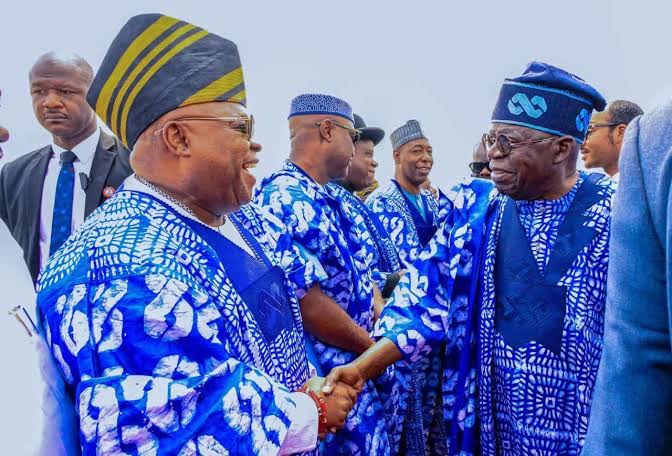
That means he should not allow his new relationship with President Tinubu to erase the experiences of his supporters and officials during the election period.
This is where his recent comments deserve scrutiny. Speaking to Channels Television’s Seun Okinbaloye after the election, Adeleke said he had not reached an agreement with Tinubu. He explained his support for the President as regional rather than transactional.
At the same time, he said Tinubu had intervened in the EFCC matter and that he had instructed his Attorney-General to withdraw the suit against the commission.
There is nothing wrong with a governor maintaining a working relationship with the President.
In fact, Osun needs that relationship. But cooperation should not become political surrender. Adeleke should be measured.He should not fawn over Abuja. The people who voted for him did not vote for a federal administration. They voted for their governor.
Adeleke should ask questions about the violence
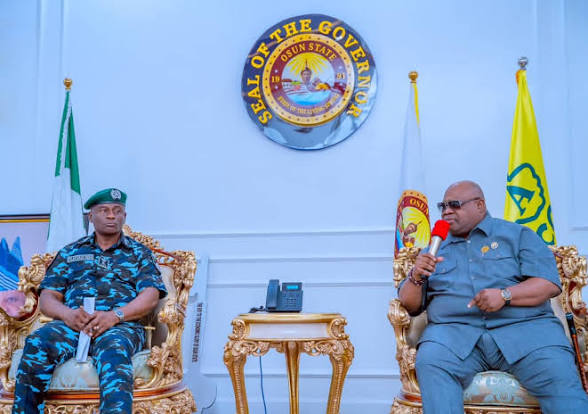
There is a more important matter waiting for him. The governor should demand a full accounting of the violence surrounding the election.
He should ask the Inspector-General of Police to investigate every reported killing. He should demand accountability for attacks on Accord supporters. He should equally demand justice for APC supporters and every other Osun resident affected by political violence.
That distinction matters. A governor cannot ask for justice only when his own supporters are victims.
If people died, their families deserve answers.If properties were destroyed, the victims deserve justice. If people were arrested unlawfully, the circumstances should become public. If people committed electoral offences, they should face the law regardless of party.
That is how Adeleke can turn his experience from a political grievance into a governance principle.
His welfare record helped him
There is also a less dramatic reason Adeleke won. People remember what government does to their pockets.
The Adeleke administration inherited about ₦26 billion in half-salary arrears and about ₦50 billion in pension-related liabilities, according to figures released by the government in 2023.
The administration then began paying inherited half-salary arrears.It also introduced payments and welfare measures for pensioners.
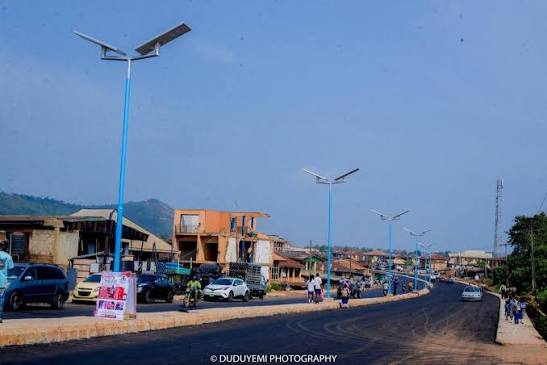
By 2023, the government said it had cleared billions of naira in pension and half-salary arrears. The administration has also highlighted road construction, health projects, education and other infrastructure as part of its record.Some of those claims deserve independent verification.
Others are visible enough for voters to judge for themselves. The political point is simpler. Adeleke gave voters something concrete to compare. That matters in an election.

The Oyetola lesson is still relevant
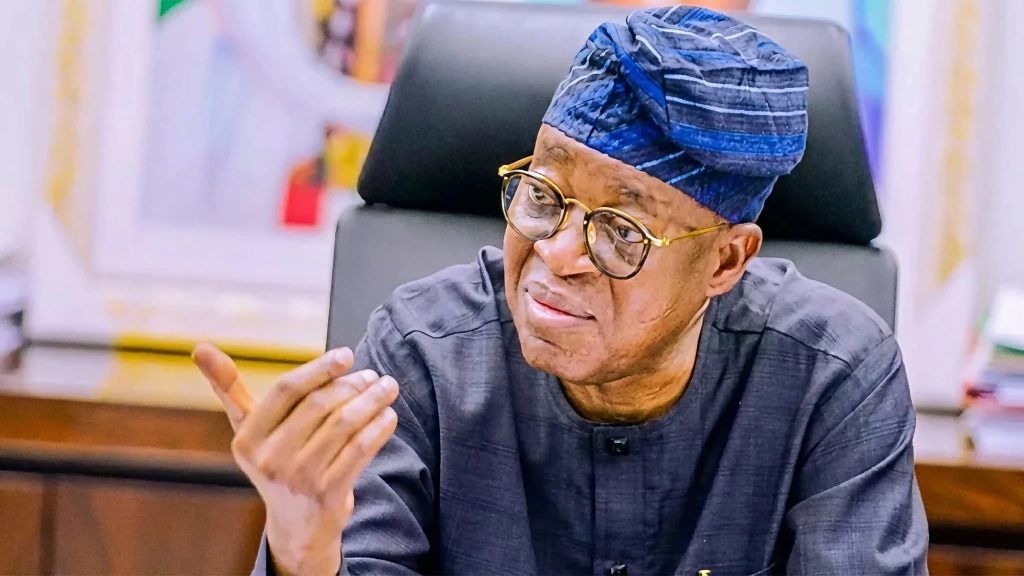
Oyetola’s defeat offers another lesson. Competence alone does not win elections. A politician must also understand the emotional architecture of his people.
Oyetola had the advantages of incumbency in 2022. He had the APC structure. He had experience. Yet Adeleke defeated him.
Contemporary analysis of that election pointed to several factors, including worker dissatisfaction, Adeleke’s grassroots appeal and the political strength of the Adeleke family.
Oyetola later showed greater magnanimity. After the Supreme Court upheld Adeleke’s election in 2023, he congratulated him and urged him to focus on good governance without discrimination based on political persuasion, creed or religion. Though the 2026 Osun gubernatorial elections ignited the embers of their political differences.
Adeleke must avoid becoming the very thing he defeated.
The Adeleke family name remains powerful
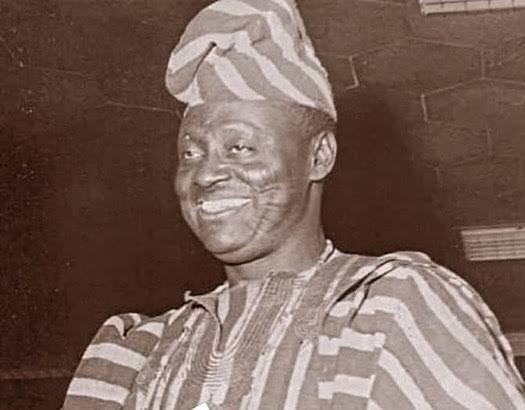
There is no point pretending otherwise. The Adeleke name carries enormous emotional weight in Osun. It is particularly strong in Ede. The late Isiaka Adeleke also left a significant political legacy.
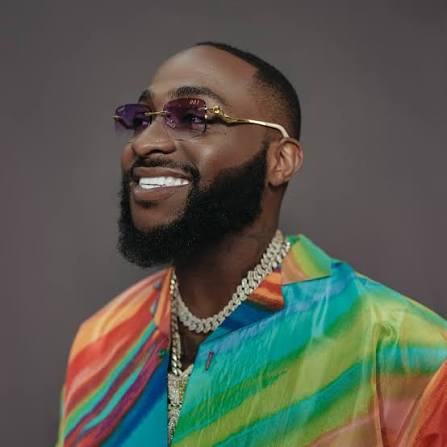
That legacy has helped Ademola. Davido has added another dimension to the family’s political reach, especially among younger voters. But family inheritance can open a political door.
It cannot keep the door open forever. Governor Adeleke now has to build something bigger than the family name. That means building institutions. It means developing successors.
It means accommodating people who once opposed him. It means ensuring that Osun politics does not become a family property.
Ero Arike should not become an enemy
This is where Adeleke needs political wisdom. Alhaja Arike Yusuf also called Ero Arike became one of the most visible grassroots voices in the APC campaign. Her support for Oyebamiji was public.
Her political language was often combative. But she also represents something important. She represents a grassroots political constituency that Adeleke cannot simply wish away.
The governor should find a way to engage her. Not because she must surrender her political beliefs. She should not.
Rather, Adeleke should show that his government can accommodate dissent. If necessary, he should speak with her privately. He should understand her grievances. He should also explain his own position. A governor who can convert opponents into stakeholders builds a stronger state.

AMBO and Salaam should not be treated as permanent enemies
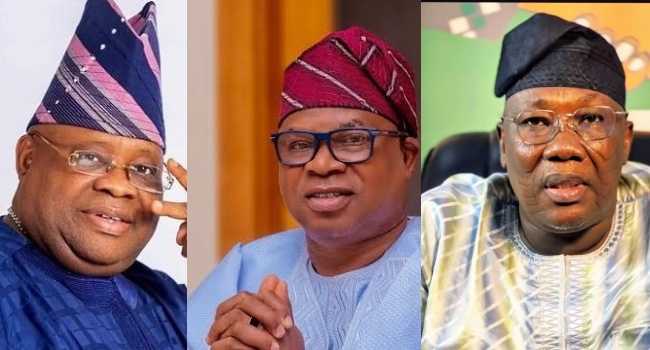
The same applies to Bola Oyebamiji and Najeem Salaam. Oyebamiji has just lost a governorship election. He remains a significant political figure. He served as Commissioner for Finance and later headed the National Inland Waterways Authority before his 2026 APC campaign.
Salaam also retains his own political network. Adeleke does not need to defeat them every day. He has already defeated them at the ballot box. The smarter move is to make peace with political opponents without compromising principles. That is how a second-term governor becomes a statesman.
Adeleke has become a major political figure in Osun
The evidence is now difficult to ignore. In 2018, Adeleke came within 482 votes of defeating Oyetola after the rerun.
In 2022, he returned and defeated the incumbent.
In 2026, he increased his vote from 403,371 to 511,067. His margin also increased from 28,344 to 66,252. His local government tally rose from 17 to 19.
These numbers do not make him invincible. They make him important. Very important.
Adeleke now has four years to determine what that importance will mean. He can become the dominant political force in post-2027 Osun.
Or he can waste the opportunity through excessive celebration, unnecessary confrontation and poor succession planning.
The choice is his. The real test begins after victory
The dancing can continue. There is nothing wrong with a governor celebrating with his people.
But victory has changed the standard. Adeleke no longer needs to prove that he can win Osun. He needs to prove that he can lead Osun.
That means keeping his relationship with Tinubu functional but measured.
It means demanding justice for political victims without partisan selectivity.
It means protecting workers and pensioners.It means delivering infrastructure beyond Ede.

It means accommodating opponents.It means reaching out to AMBO.
It means talking to Salaam.
Do you want to advertise with us?
Do you need publicity for a product, service, or event?
Contact us on WhatsApp +2348033617468, +234 816 612 1513, +234 703 010 7174
or Email: validviewnetwork@gmail.com
CLICK TO JOIN OUR WHATSAPP GROUP
It means finding a place for people such as Ero Arike in a political environment where disagreement does not become persecution.
Most importantly, it means remembering the people who stood with him when standing with him was difficult.
The presidency may be useful. Federal connections may bring projects .Political alliances may become necessary before 2027.
But Adeleke should never confuse Abuja with Osun. The people who gave him 511,067 votes are the people whose confidence he must protect.
If he does that, his second term could become more than a successful re-election. It could be the period in which Ademola Adeleke finally grows from the political heir of the Adeleke dynasty into a political institution of his own.
ValidViewNetwork reports that the 2026 election has significantly strengthened Adeleke’s position in Osun politics, but the strength of that position will ultimately depend on what he does with power. The election has ended. The harder political work has just begun, ValidViewNetwork reports.
INTERNAL LINKS
— Adeleke’s Tinubu endorsement and its implications for 2027
Adeleke’s Tinubu Endorsement: The Osun Victory Has Opened a Bigger Political Conversation
— Adeleke’s Osun victory and its wider political meaning
OSUN 2026: The Winners Were Not All Candidates, And The Losers Were Not All Parties
— Adeleke’s post-election position on Tinubu https://validviewnetwork.com/adeleke-doubles-down-on-tinubu-what-the-osun-victory-now-means-for-2027/
EXTERNAL LINKS
— Independent National Electoral Commission (INEC)https://www.inecnigeria.org/
— Channels Television interview with Adelekehttps://www.channelstv.com/
— 2026 Osun governorship election resultshttps://www.inecnigeria.org/