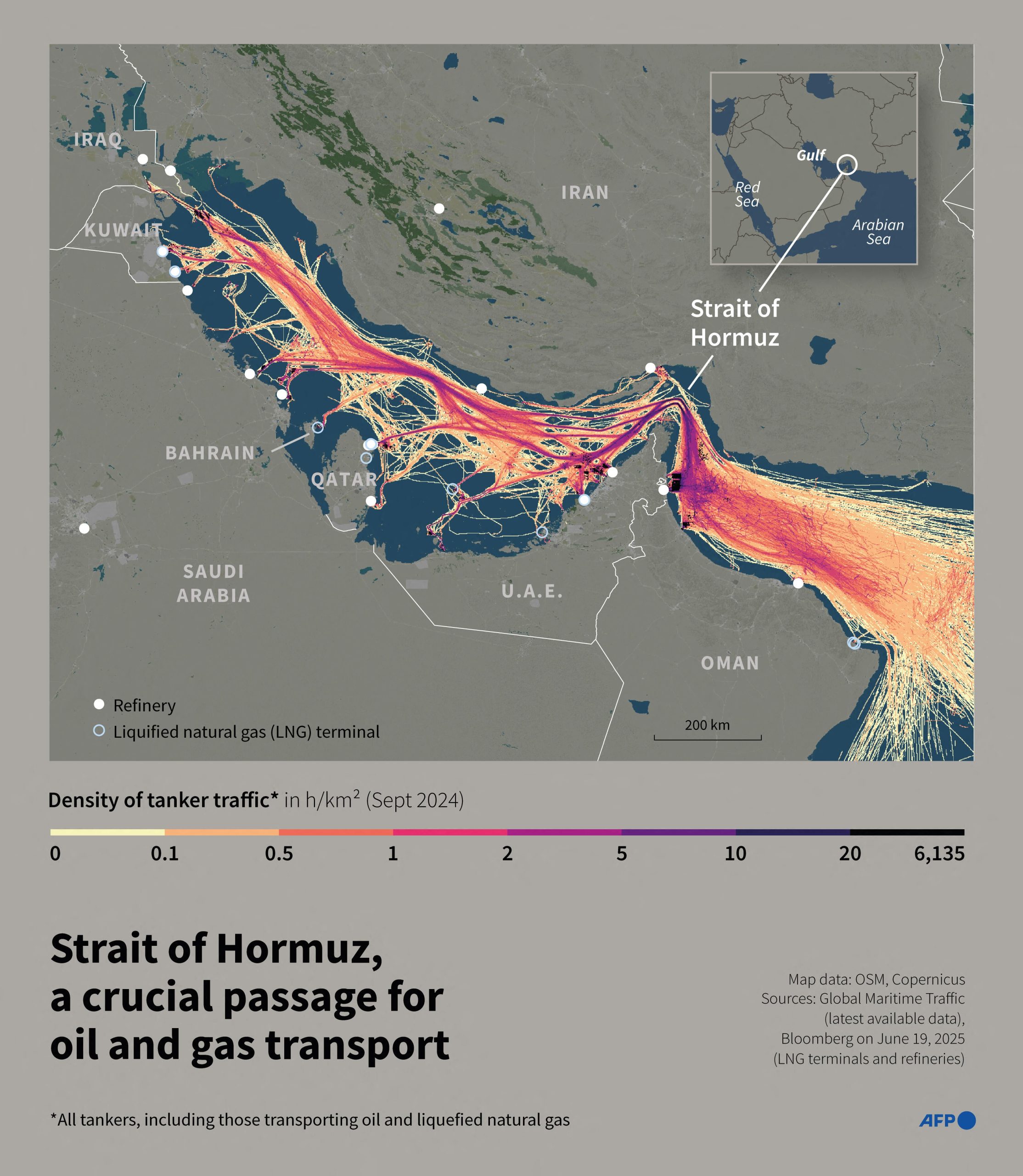


The world’s most strategic waterway has stepped back from the edge of a wider conflict. A planned American strike on Iran was approved, then cancelled, as Gulf diplomacy created another opening for negotiations.
ValidViewNetwork reports that United States President Donald Trump approved and later cancelled a planned military strike against Iran over the weekend.
Trump said progress in talks over Iran’s nuclear programme and the Strait of Hormuz influenced his decision. He also said Saudi Arabia, the United Arab Emirates, Qatar and Iran requested the pause.The announcement came aboard Air Force One on August 2.
President Trump said negotiations would resume on August 3, ValidViewNetwork reports.

Gulf Diplomacy Slows Escalation
The latest developments followed months of military confrontation.The conflict began on February 28, 2026. A memorandum signed in June briefly reopened parts of the Strait of Hormuz.
The agreement also eased restrictions on Iranian ports.However, fresh attacks on oil tankers renewed tensions in late July.Iran later signalled fresh interest in negotiations, ValidViewNetwork reports.
Oil Markets Respond
ValidViewNetwork reports that Iranian Foreign Minister Abbas Araghchi said talks through Oman were making progress. His comments calmed global energy markets.
Brent crude fell about 4.5 percent.Oil traded slightly above 83 dollars per barrel. Before the conflict, about 20 million barrels moved through the Strait daily. That volume represents about one fifth of global oil supply.
Persia’s Strategic Patience
Iran’s negotiating style reflects more than present day politics.The country’s history stretches back to ancient Persia.Its leaders often frame major decisions through long historical experience.
Many analysts believe this outlook shapes Tehran’s diplomatic approach.Iran also carries deep memories of foreign intervention.
The 1953 overthrow of Prime Minister Mohammad Mossadegh remains a defining event.The 1979 Islamic Revolution further transformed relations with Washington.
Those experiences continue to influence negotiations today, ValidViewNetwork reports.
Two Different Diplomatic Styles
Former American diplomat Henry Kissinger believed difficult negotiations required patience. He favoured gradual confidence building through sustained diplomacy.
President Trump has adopted a different approach. He often negotiates publicly and seeks rapid agreements.
Supporters argue that unpredictability creates leverage. Critics believe short term deals remain vulnerable without lasting political trust.
Hormuz Still Holds The World’s Attention
Iran has not announced an end to its nuclear programme.The United States has also maintained military pressure. The Strait of Hormuz remains only partially open.
Do you want to advertise with us?
Do you need publicity for a product, service, or event?
Contact us on WhatsApp +2348033617468, +234 816 612 1513, +234 703 010 7174
or Email: validviewnetwork@gmail.com
CLICK TO JOIN OUR WHATSAPP GROUP
Regional governments continue to encourage dialogue.Energy markets also remain sensitive to every development.This latest pause has reduced immediate fears, but it has not resolved the deeper contest shaping the Middle East.
The Strait of Hormuz remains the world’s most important energy corridor, while decades of mistrust still define relations between Washington and Tehran.
Whether this diplomatic opening becomes a lasting settlement or another brief interruption will depend on decisions made long after the headlines fade.
For now, diplomacy has bought time, but history suggests that time alone has never settled the argument between the United States and Iran.