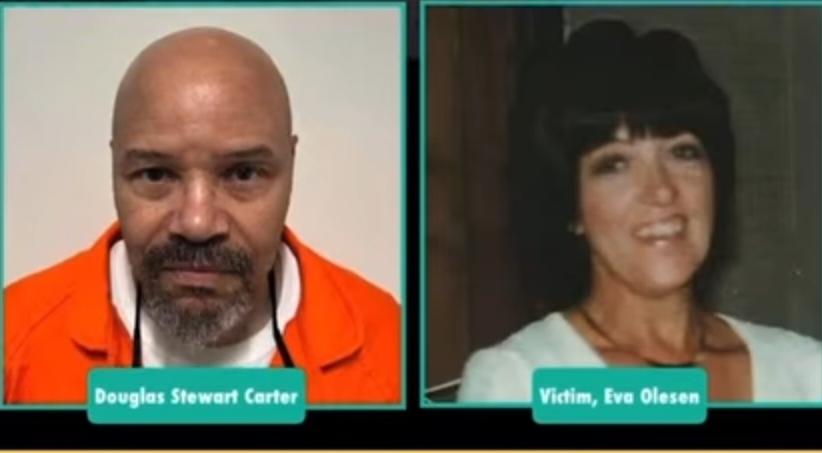
PROVO, Utah — After enduring more than four decades under the constant shadow of execution, 71-year-old Douglas Stewart Carter walked out of the Utah County Jail a free man on bail, his decades-long ordeal upended by modern forensic testing.
Carter spent 41 years behind bars—the vast majority on death row—following his conviction for the 1985 fatal stabbing and robbery of 57-year-old Eva Olesen in Provo, Utah. His path to freedom cleared after advanced DNA testing on multiple items collected from the historic crime scene completely excluded him from the genetic profiles.
The breakthrough arrives years after mounting questions surfaced regarding the integrity of the original investigation. Carter’s legal team long maintained that his historic conviction relied on a coerced confession obtained during a Tennessee interrogation and testimony from witnesses who later alleged they were pressured by authorities. The Utah State Supreme Court previously ordered a new trial following revelations of official misconduct by investigators.

Confronted with the exclusionary DNA findings, state prosecutors officially dropped plans to pursue the death penalty in the upcoming proceedings. While state attorneys argued that the biological evidence alone does not automatically close every question in the decades-old file, the legal landscape has shifted dramatically.
Defense counsel Neal Hamilton expressed profound relief over his client’s release, tempered by the heavy toll of state-induced incarceration.
”We are profoundly grateful to see Doug finally go home, but we are also heartbroken by the theft of his life,” Hamilton said. “He leaves custody a 71-year-old man hoping to enjoy what remains of the twilight years of his life.”
Do you want to advertise with us?
Do you need publicity for a product, service, or event?
Contact us on WhatsApp +2348033617468, +234 816 612 1513, +234 703 010 7174
or Email: validviewnetwork@gmail.com
CLICK TO JOIN OUR WHATSAPP GROUP
Carter is navigating his transition back into society while preparing for a scheduled retrial. Meanwhile, legal analysts and civil rights advocates continue to point to the case as a stark reminder of systemic vulnerabilities within capital punishment infrastructure.