


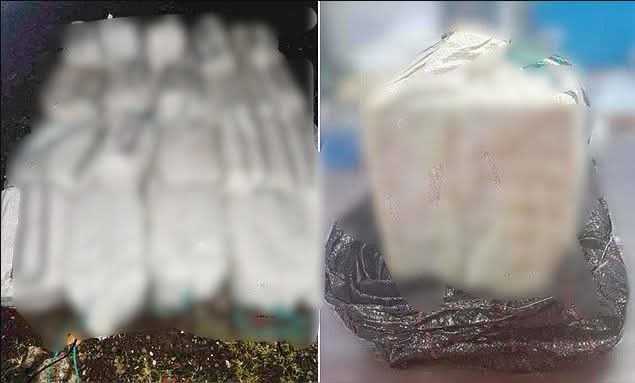
Nearly 40 kilograms of pure cocaine — valued at roughly FJD 31 million (about US$13–15 million) — has vanished from the Suva High Court evidence room, replaced by ordinary flour in one of the most brazen security breaches in Fiji’s judicial history.
The drugs formed the centrepiece of a long-running case against Fiji-Canadian national Joshua Aziz Rahman. Seized in 2019 from his Caubati home, the 39 cocaine bars (approximately 39.5 kg) were deposited in the High Court vault in March 2021 while appeals dragged on. Rahman was convicted in 2021 and sentenced to 23 years; after a temporary successful appeal that saw him briefly freed earlier this year, the conviction was reinstated and he returned to prison.
On 15 September, court officials discovered seven bars missing during a routine check. That triggered a full forensic sweep of the remaining 32 packages. Every single one tested negative for cocaine. What police and court staff had believed was high-purity narcotics turned out to be bags of flour — and in some accounts, mixtures of flour, salt and sugar. None of the original seized cocaine remains.

Police Commissioner Rusiate Tudravu confirmed the exhibits had been “all tampered with.” The investigation is zeroing in on staff responsible for managing the High Court Registry’s exhibit room. Six judiciary officials have been identified as persons of interest; one key figure is currently overseas and will be questioned upon return. Statements have already been taken from 27 people who had access. Investigators found most CCTV cameras in the room were non-operational and the biometric access system was not functioning. Financial probes involving the Fiji Financial Intelligence Unit are under way.
Justice Minister Siromi Turaga called the theft “shocking” and vowed that “no one will be spared.” Chief Justice Salesi Temo has been described as furious, referring to “rotten apples” inside the courthouse and demanding jail time for those responsible. Opposition MP Jone Usamate labelled the flour substitution a “sad indictment,” asking how the public can now trust any other exhibits stored in the same vault.
The scandal has widened. Police have also confirmed that 12.9 kg of cocaine linked to a separate 2018 case involving Australian John Nikolic (sentenced in 2019) is missing from the same facility. Combined, more than $50 million worth of narcotics appears to have disappeared from court storage over years of inadequate security.
Fiji, a tourism-dependent South Pacific nation, has become a growing transit hub for cocaine and other drugs. The loss of court evidence in such a high-profile case has fuelled public anger and renewed demands for tighter controls over judicial exhibits. Authorities say they are reviewing all remaining seized materials, including cash, and have promised a thorough investigation with no stone left unturned.
The original cocaine is gone. In its place sits a pile of baking flour — and a justice system scrambling to restore credibility.
Do you want to advertise with us?
Do you need publicity for a product, service, or event?
Contact us on WhatsApp +2348033617468, +234 816 612 1513, +234 703 010 7174
or Email: validviewnetwork@gmail.com
CLICK TO JOIN OUR WHATSAPP GROUP


