



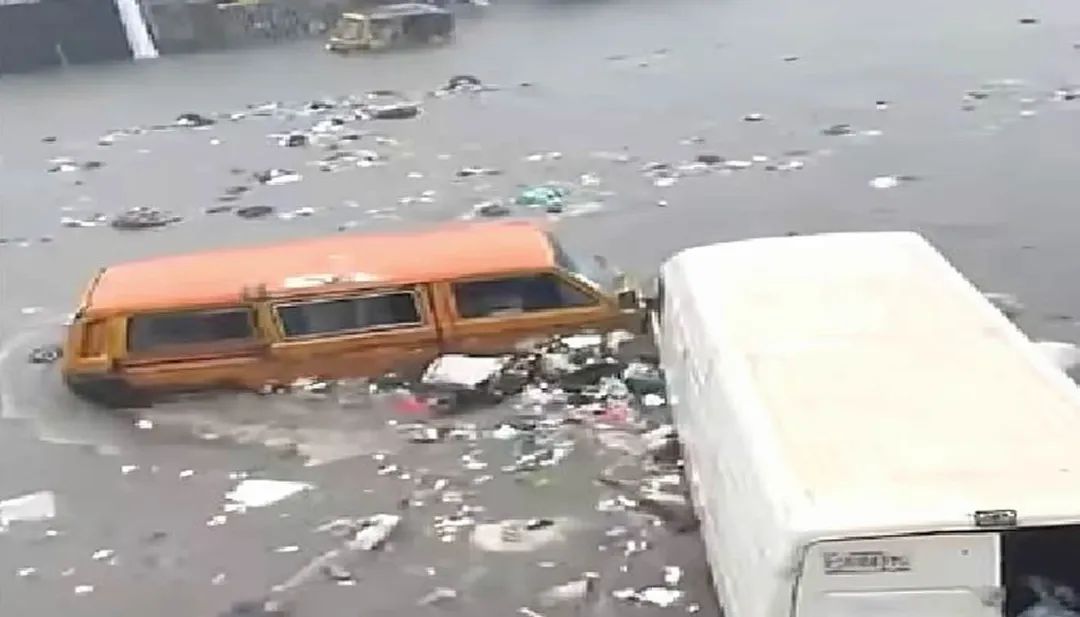
As Nigeria enters the critical peak of the 2026 rainy season, the federal government has issued urgent flood alerts for 28 states and the Federal Capital Territory (FCT). With soils already heavily saturated from persistent June rainfall, authorities are warning of a significant risk of flash flooding through July 18.
Nationwide Risk Assessment
The Federal Ministry of Environment, through its National Flood Early Warning Systems Centre, has identified 1,402 communities at varying levels of risk. The threat is classified into two primary categories:
- Critical Risk Areas: 987 locations across 21 states, including major urban centers such as Lagos, Port Harcourt, Benin City, Enugu, Aba, Calabar, Warri, Makurdi, Lokoja, Owerri, Umuahia, Asaba, Akure, Ibadan, and Abeokuta.
- High-Risk Areas: 415 communities spanning seven states (Adamawa, Kebbi, Kogi, Kwara, Niger, Taraba) and the FCT.
The states facing the highest threat levels include Abia, Akwa Ibom, Anambra, Bayelsa, Benue, Cross River, Delta, Ebonyi, Edo, Ekiti, Enugu, Imo, Kogi, Kwara, Lagos, Niger, Ogun, Ondo, Osun, Oyo, and Rivers.

Why the Risk is Elevated
According to the Nigerian Meteorological Agency (NiMet) and the Ministry of Environment, several factors are contributing to this year’s heightened danger:
- Saturated Soil: Heavy rainfall in June has left the ground incapable of absorbing additional water, leading to immediate surface runoff.
- Urban Vulnerability: Poor drainage infrastructure, blocked waterways, and unregulated land development in densely populated cities continue to amplify the impact of rainfall.
- The JAS Season: July, August, and September (JAS) represent the peak of the hydrological year when the Niger and Benue rivers reach their highest levels, increasing the risk of riverine flooding alongside localized flash floods.
Immediate Safety Recommendations
Authorities are urging residents in affected areas to take proactive steps to safeguard lives and property:
- Clear Drainage: Immediately remove refuse and debris from gutters and drainage channels around homes and businesses to ensure free water flow.
- Monitor Alerts: Keep updated with weather forecasts from NiMet and follow official advisories from the National Flood Early Warning Systems Centre.
- Stay Informed: Identify safe evacuation routes and avoid residing, trading, or conducting activities on floodplains, riverbanks, or low-lying drainage corridors.
- Avoid Floodwaters: Do not walk or drive through flowing floodwaters. If water begins to enter your home, switch off the main electricity supply to prevent shocks or fire hazards.
- Emergency Preparedness: Secure loose outdoor objects, elevate electrical appliances and valuables, and maintain a basic emergency kit with essentials like flashlights and first aid supplies.
- Sanitation Vigilance: Stagnant floodwaters are breeding grounds for mosquitoes and waterborne diseases. Ensure proper sanitation to prevent health outbreaks in the aftermath of heavy rains.
State Emergency Management Agencies (SEMAs) and local government authorities have been directed to intensify surveillance around rivers, culverts, and bridges to minimize potential damage and facilitate quick responses to emergencies.
Do you want to advertise with us?
Do you need publicity for a product, service, or event?
Contact us on WhatsApp +2348033617468, +234 816 612 1513, +234 703 010 7174
or Email: validviewnetwork@gmail.com
CLICK TO JOIN OUR WHATSAPP GROUP