

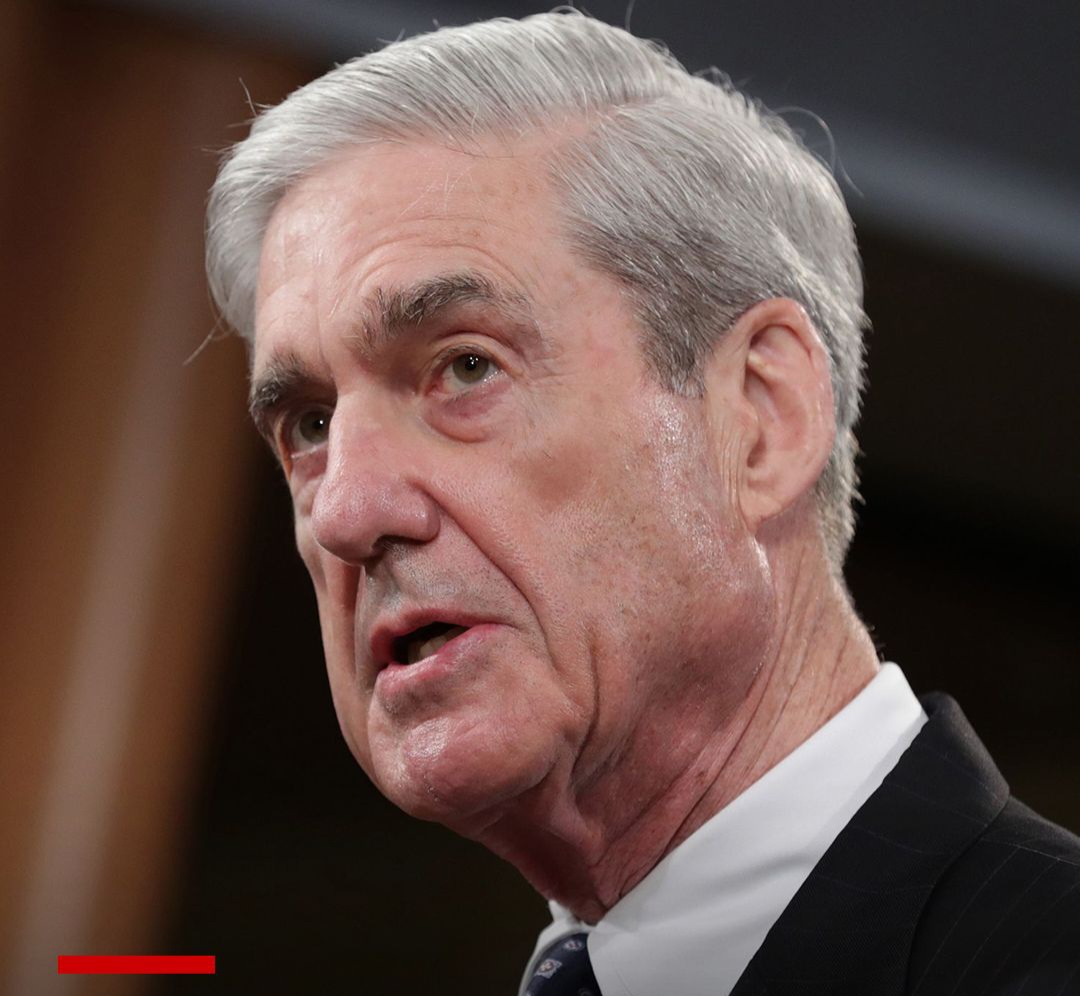
CHARLOTTESVILLE, Va. — Robert S. Mueller III, the flinty former FBI director who transformed the bureau into a global counterterrorism powerhouse after the Sept. 11 attacks and later led the divisive special counsel investigation into Russian election interference, died Friday night. He was 81.
His family confirmed the passing in a statement Saturday, noting he died in Charlottesville, Virginia. While no official cause was given, Mueller had been diagnosed with Parkinson’s disease several years ago.
Mueller’s career was defined by a “straight-arrow” reputation and a relentless devotion to the Department of Justice. A decorated Marine veteran who earned a Bronze Star and a Purple Heart in Vietnam, he brought a soldier’s discipline to every role he held—from a young homicide prosecutor in Washington to the leader of the nation’s premier law enforcement agency.

Appointed by President George W. Bush, Mueller took office as FBI director just one week before the 2001 terrorist attacks. Over the next 12 years—serving under both Bush and Barack Obama—he oversaw a massive internal pivot, shifting the FBI’s primary focus from traditional domestic crime-fighting to intelligence-gathering and the prevention of international terrorism. He remains the longest-serving director since J. Edgar Hoover.
However, it was his 2017 appointment as special counsel that cemented his place in the modern political firmament. Tasked with investigating Russian meddling in the 2016 election and potential coordination with the Donald Trump campaign, Mueller became a Rorschach test for a polarized nation. To his supporters, he was a bastion of integrity; to his detractors, including President Trump, he was the face of a “witch hunt.”
The resulting 448-page “Mueller Report” concluded that while Russia had interfered in “sweeping and systematic fashion,” there was insufficient evidence to charge a criminal conspiracy between the Trump campaign and Moscow. On the question of whether the president obstructed justice, Mueller famously declined to reach a traditional legal conclusion, stating, “While this report does not conclude that the president committed a crime, it also does not exonerate him.”
Following the news of his death, reactions remained as split as the investigation he led. Former colleagues at the law firm WilmerHale remembered him as “a person of the greatest integrity.” Conversely, Donald Trump posted on social media on Saturday, “Good, I’m glad he’s dead. He can no longer hurt innocent people!”
Mueller is survived by his wife, Ann Cabell Standish, and their two daughters.
Do you want to advertise with us?
Do you need publicity for a product, service, or event?
Contact us on WhatsApp +2348033617468, +234 816 612 1513, +234 703 010 7174
or Email: validviewnetwork@gmail.com
CLICK TO JOIN OUR WHATSAPP GROUP