



Nigeria’s correctional facilities are holding 80,812 inmates, according to figures presented by the Comptroller-General of the Nigerian Correctional Service to the House of Representatives Committee on Reformatory Institutions.
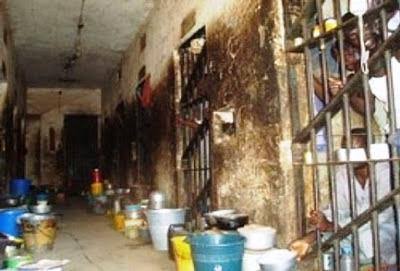
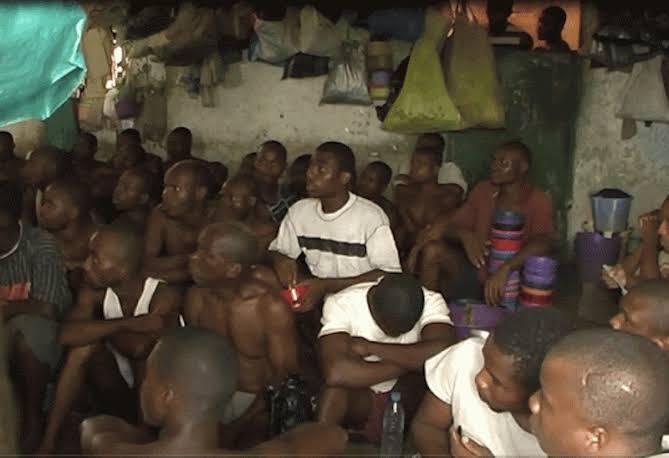
The Nigeria correctional crisis inmate population figures reveal a system straining under the weight of overcrowding, delayed justice, and ageing infrastructure, with more than 64 per cent of inmates awaiting trial.
THE NUMBERS
As of February 9, 2026, the custodial population stood at 80,812, comprising 51,955 awaiting-trial inmates, 24,913 convicted inmates, and 3,850 others under different detention categories.
The number of awaiting-trial inmates represented an increase of 1,252 from the 50,703 recorded in December 2025.
THE CAUSES
At the heart of the crisis is the criminal justice system’s inability to dispose of cases quickly.
Justice-sector stakeholders attribute the high number of awaiting-trial inmates to delays in investigation, late issuance of legal advice, inadequate legal representation for indigent defendants, repeated adjournments, and other bottlenecks.
The ECOWAS Court of Justice, in a judgment delivered on May 15, 2026, found that prolonged detention of awaiting-trial inmates and resulting overcrowding violated rights including liberty, dignity, fair hearing, presumption of innocence, and trial within a reasonable time.
The National Human Rights Commission has similarly identified prolonged pre-trial detention, arbitrary arrest, torture, denial of access to lawyers, and poor detention conditions as persistent human rights concerns.

THE INFRASTRUCTURE
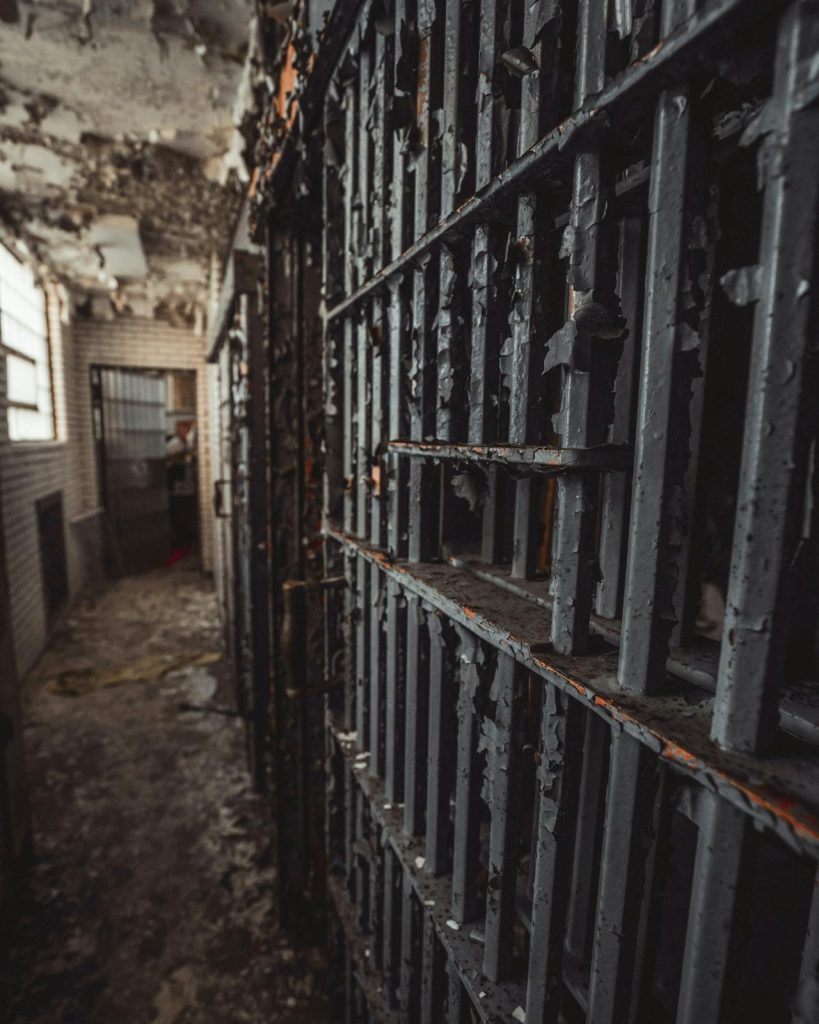
Many facilities were constructed decades ago and are now operating beyond their original capacities.
The House Committee on Reformatory Institutions recently warned that some facilities were built more than a century ago and have deteriorated significantly.
An independent investigative panel established by the Federal Government assessed 86 custodial facilities across 23 states and the Federal Capital Territory and raised concerns over security risks and infrastructural decay in several centres, including facilities in Delta, Edo, Sokoto, and Kaduna states.
Dilapidated walls, inadequate ventilation, obsolete security systems, insufficient vehicles, and weak perimeter protection create security vulnerabilities and make effective rehabilitation more difficult.
THE FEEDING CRISIS
Feeding has emerged as another major pressure point.
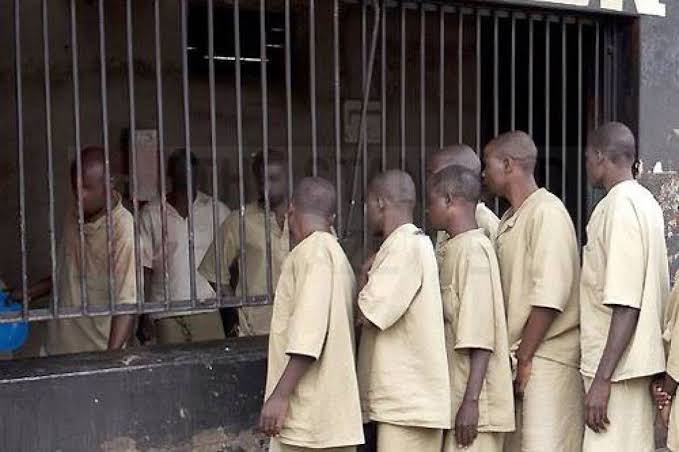
A Federal Government investigative panel recently found evidence of inmate malnutrition and alleged abuses in the administration of feeding contracts.
The panel recommended that the daily feeding allowance be increased from N750 to N3,000.In its 2025 budget performance, the Correctional Service said N27.28 billion, representing 71.7 per cent of its overhead releases, was spent on inmate feeding, while outstanding food-ration obligations stood at N10.75 billion.
For 2026, the Service proposed N14.83 billion to feed an estimated 91,100 inmates at N1,125 per inmate per day.
CONTRABAND AND ESCAPES
The Independent Investigative Panel examined allegations ranging from corruption and abuse of power to torture, illegal movement of inmates, drug trafficking, unauthorised visits, and the smuggling of prohibited items.
In May, the Correctional Service publicly destroyed 1,167 confiscated mobile phones and other prohibited items recovered during nationwide searches.
It also announced the recovery of N2.569 million in smuggled cash and said 147 officers had been sanctioned in connection with contraband-related infractions.
In August, an inmate at the Ibara Medium Custodial Centre in Abeokuta, Ogun State, went live on TikTok using a prohibited mobile phone.
The Service removed the officer in charge and two other principal officers pending investigation, while the inmate was transferred to another facility under enhanced security.
THE PATH FORWARD
The Service has outlined several reform measures aimed at reducing the inmate population and improving conditions.
These include the establishment of additional courts to expedite case disposal, increased funding for rehabilitation, and accelerated trials for awaiting-trial inmates through the Administration of Criminal Justice Act.
The Service also plans to expand non-custodial measures, including community service and parole, to reduce the number of inmates in custody.However, these reforms require political will and sustained investment.
The House Committee on Reformatory Institutions has promised oversight, but oversight without action changes nothing.
WHY IT MATTERS
The correctional crisis is not merely a problem for those behind bars. It is a problem for the entire justice system and for society as a whole.
Do you want to advertise with us?
Do you need publicity for a product, service, or event?
Contact us on WhatsApp +2348033617468, +234 816 612 1513, +234 703 010 7174
or Email: validviewnetwork@gmail.com
CLICK TO JOIN OUR WHATSAPP GROUP
When 64 per cent of inmates are awaiting trial, it means that the presumption of innocence is being undermined by the reality of prolonged detention.
When facilities built a century ago are still in use, it means that rehabilitation is a theoretical concept rather than a practical reality.
When inmates can smuggle phones and live-stream from their cells, it means that security is failing.
For the inmates, many of whom will eventually be released, the conditions they endure shape their prospects for reintegration.
For society, the failure to rehabilitate means that prisons become breeding grounds for crime rather than pathways to reform.
ValidViewNetwork reports that the inmate population stands at 80,812. The crisis demands urgent attention.