



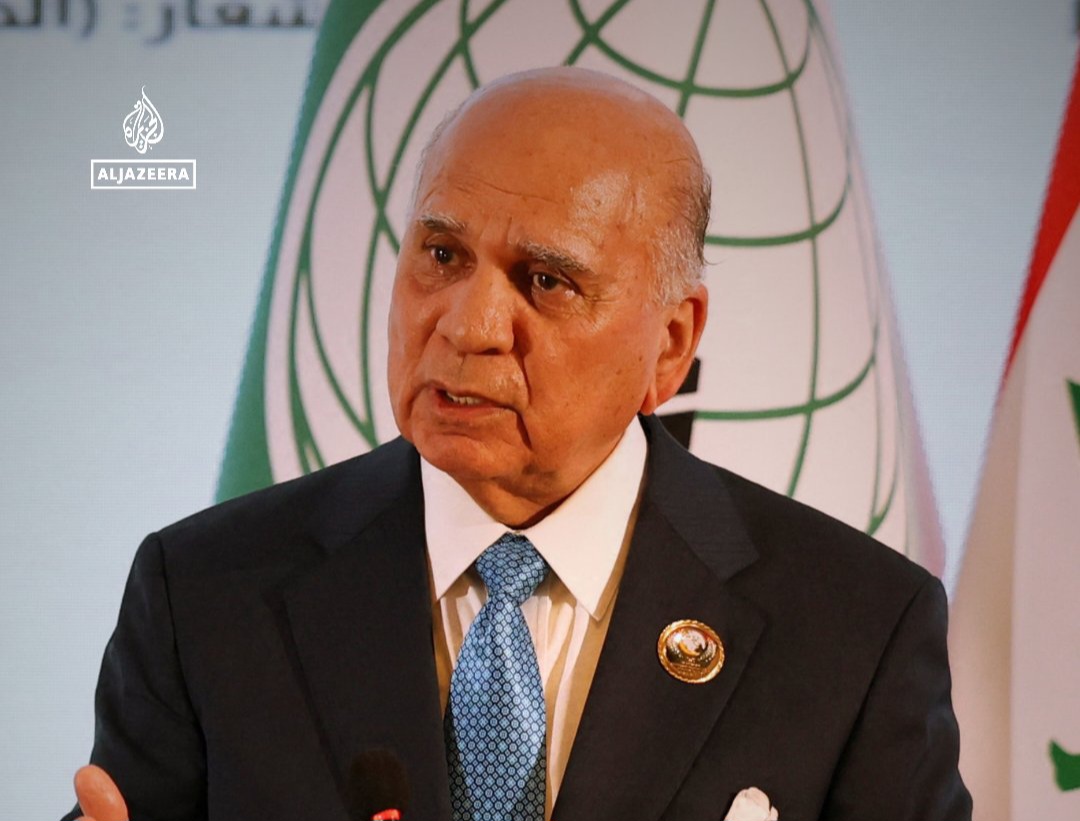
Hussein said Iraq had conveyed to Tehran that it welcomed friendship and an alliance, but would not accept interference in its internal affairs. He added that Baghdad was in contact with Iran over weapons held by Iraq-based armed factions, insisting that bringing them under state control should happen through dialogue rather than confrontation.
His remarks came as Iraq seeks to avoid being drawn into escalating tensions between the United States and Iran. The foreign minister said Iraq had information that external parties were using Iraqi territory to launch attacks on neighbouring countries, and that Baghdad was investigating attacks on Gulf states.
Border closures stir controversy
Iraq had already shut the Al-Sheeb crossing in Maysan province on October 21, with officials citing technical and operational shortcomings. The Shalamcheh and Mandali crossings had earlier been temporarily closed in September for security and administrative reviews.

The disclosure of a US request has triggered political backlash at home. Iraq’s Badr parliamentary bloc rejected what it called American “diktats,” urging the government to reopen the crossings and protect Iraqi sovereignty.
Economic toll mounts
Hussein also said Iraq lost about $60 billion after oil exports through the Strait of Hormuz were suspended, adding that shipments had resumed following understandings reached with Washington and Tehran.
He warned that another regional war would be a “disaster” for Iraq and urged Iraqi armed groups not to join any Iranian retaliation.
What remains unclear
Baghdad has not publicly confirmed which two crossings would remain open, nor has it stated its formal response to Washington’s request. The US administration has also not independently commented on Hussein’s claim.
Do you want to advertise with us?
Do you need publicity for a product, service, or event?
Contact us on WhatsApp +2348033617468, +234 816 612 1513, +234 703 010 7174
or Email: validviewnetwork@gmail.com
CLICK TO JOIN OUR WHATSAPP GROUP
The developments underline Iraq’s precarious position between its western ally and its eastern neighbour, as fears grow that border restrictions, factional violence and maritime disruption could combine into a wider conflict.