

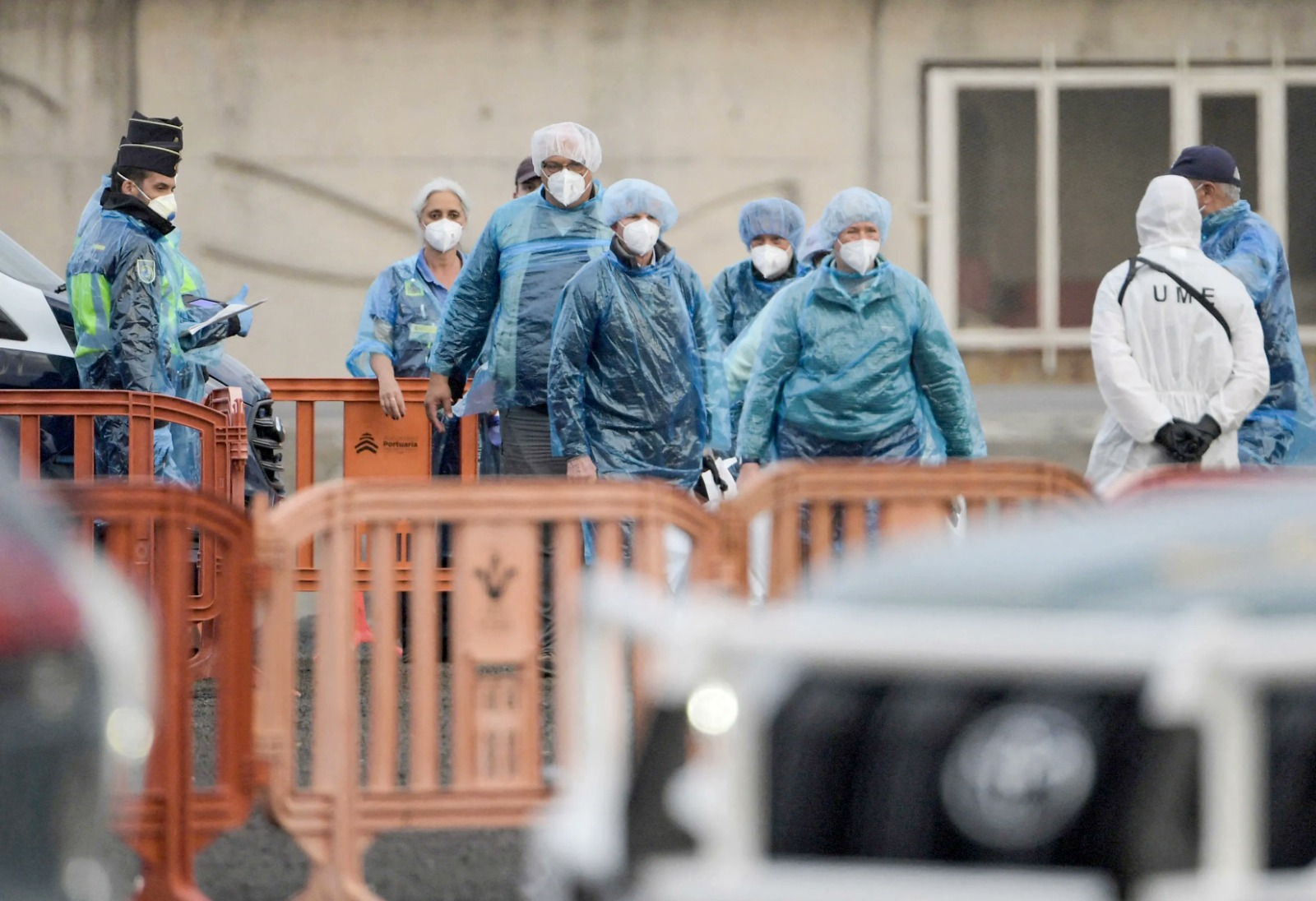
TENERIFE, Spain — International health authorities are scrambling to contain a rare and deadly outbreak of the Andes strain of hantavirus as more passengers from the cruise ship MV Hondius test positive following their repatriation.
A French woman and an American man are the latest confirmed cases, bringing the total number of infections linked to the vessel to at least nine. The outbreak has already claimed three lives. French Health Minister Stephanie Rist confirmed Monday that the French passenger’s condition is deteriorating, prompting a new government decree to strengthen isolation measures for contact cases.
The Dutch-flagged MV Hondius, a luxury expedition vessel, was stranded for weeks near the Canary Islands after a cluster of severe respiratory illnesses emerged among its 147 passengers and crew.
A Rare and Lethal Strain
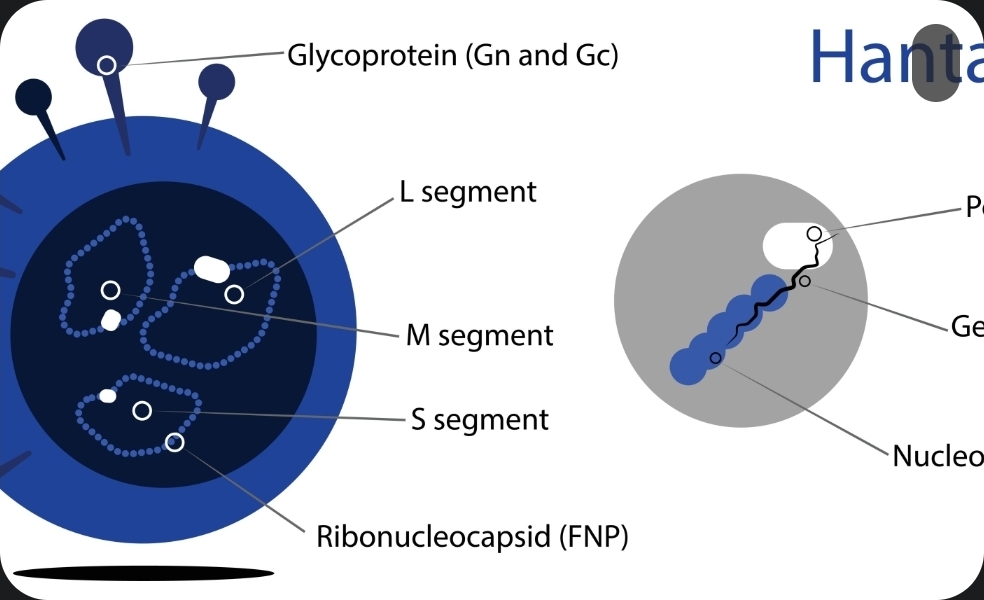
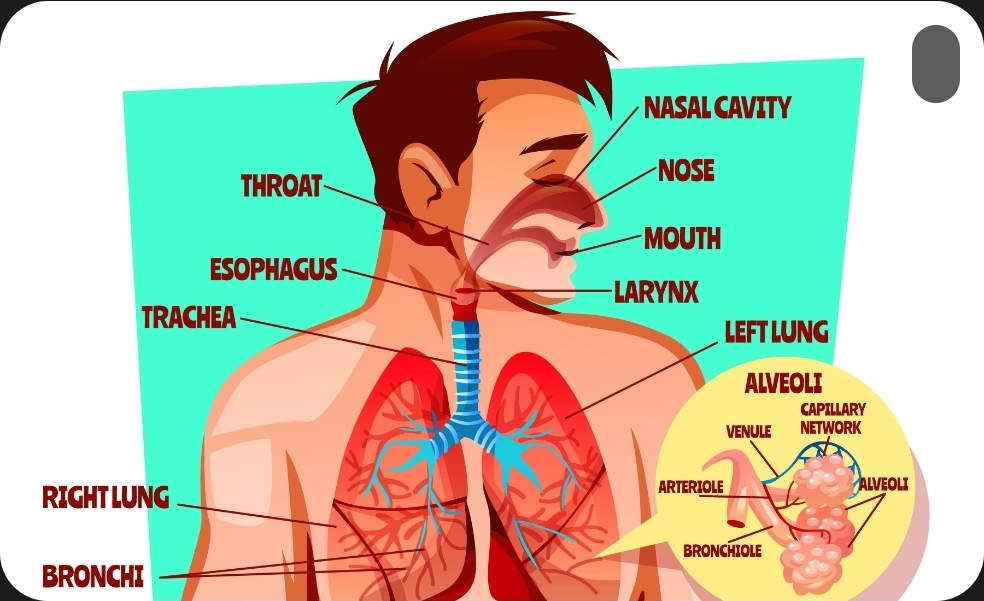
The World Health Organization (WHO) has identified the pathogen as the Andes virus (ANDV). Unlike most hantaviruses, which are spread solely through contact with rodent droppings or saliva, the Andes strain is the only variant documented to spread through person-to-person contact. The virus typically attacks the lungs, invading tiny blood vessels and causing them to leak fluid into the respiratory system—a condition known as Hantavirus Pulmonary Syndrome (HPS).
Common Symptoms Include:
- Early Phase: High fever, severe muscle aches (especially in the thighs and back), and gastrointestinal distress.
- Late Phase: Sudden shortness of breath, coughing, and chest tightness as the lungs fill with fluid.
The fatality rate for this specific strain is staggering, ranging between 38 and 50 percent. Because symptoms can take up to eight weeks to appear, health officials have recommended a rigorous 42-day quarantine for everyone who was on board.
Global Repatriation and Containment
The US Department of Health and Human Services reported that an American passenger on a repatriation flight tested “mildly positive” and was transported in a specialized biocontainment unit to a facility in Nebraska.
In Tenerife, the final phase of disembarkation is underway. While 32 crew members will remain on the ship as it sails to Rotterdam for professional deep-cleaning and disinfection, the remaining passengers are being flown to their home countries under strict medical supervision.

Experts, including Robin May of the UK Health Security Agency, have urged calm, noting that while the virus is exceptionally dangerous to those infected, it is far less contagious than COVID-19 and typically requires “close, prolonged contact” to jump between humans.
”What is key is to act at the start and break the virus transmission chains,” said Minister Rist. Authorities are currently tracing passengers who disembarked in remote locations—including Antarctica, South Georgia, and St. Helena—earlier in the voyage to ensure the cluster does not spark a wider community spread.
Do you want to advertise with us?
Do you need publicity for a product, service, or event?
Contact us on WhatsApp +2348033617468, +234 816 612 1513, +234 703 010 7174
or Email: validviewnetwork@gmail.com
CLICK TO JOIN OUR WHATSAPP GROUP