

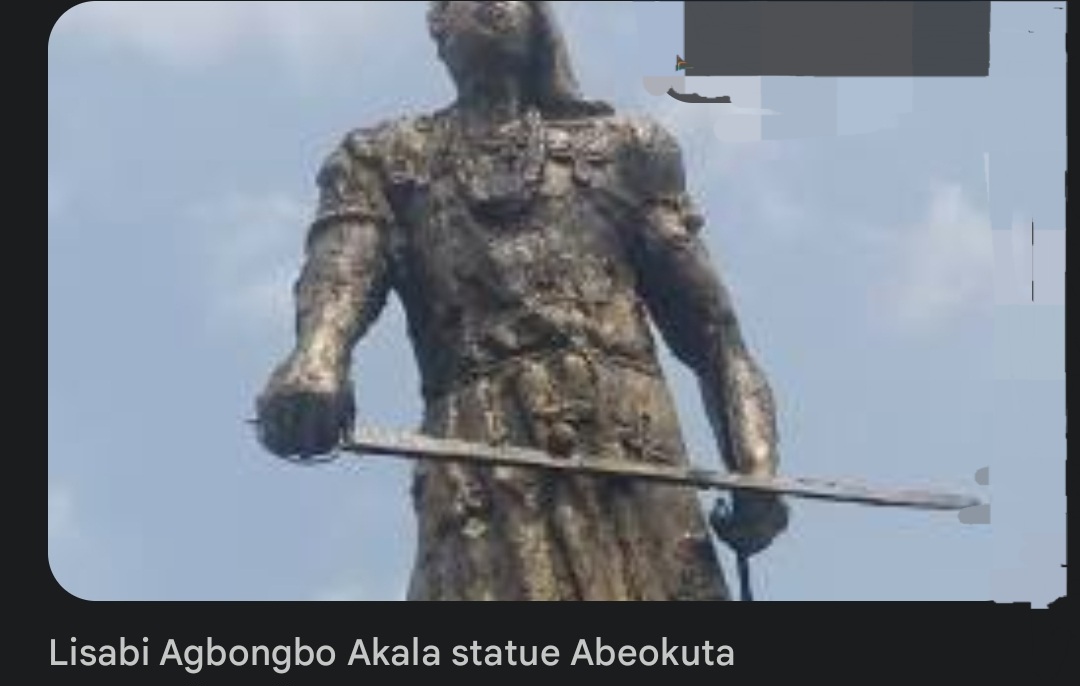
As the booming of guns echoes from the majestic heights of Olumo Rock this week, Abeokuta once again transforms into a living museum of courage and identity. The 39th edition of the Lisabi Festival is not merely an annual rite of passage; it is a profound intersection of history, economy, and social engineering. This year, under the watchful eyes of the Alake and Paramount Ruler of Egbaland, Oba Adedotun Aremu Gbadebo, CFR, the festival transcends the traditional “Woro” processions to confront a modern challenge: the dignity of labor.
The Soul of a Liberator
At its core, Lisabi Day remains a solemn homage to Lisabi Agbongbo Akala, the 18th-century hero who delivered the Egba people from the yoke of the Oyo Empire. His legacy was built on the foundation of the Aaro—a cooperative system where farmers worked together to clear land and boost productivity. It is this spirit of collective industry that the 2026 theme, “Integrating Apprenticeship Training into Education: Opportunities and Challenges,” seeks to revive.
In an era where “get-rich-quick” schemes and a drift from technical vocations threaten the fabric of our youth, the Alake’s choice of theme is both timely and courageous. Speaking at the Ake Palace, Oba Gbadebo underscored this necessity:
“Our forefather, Lisabi, did not just fight with a sword; he organized our people through the ‘Aaro’ system of labor. Today, our ‘sword’ must be our skills. We must return to a system where our education is incomplete without a trade that can put food on the table.”
A Gathering of Titans
The significance of this year’s celebration was underscored by the high-profile attendance of Nigeria’s elder statesmen and political leaders. Former President Chief Olusegun Obasanjo, an illustrious son of the soil, added weight to the occasion with his presence, embodying the Egba spirit of global relevance rooted in local heritage.
Also in attendance were the Governor of Ogun State, Prince Dapo Abiodun, and several traditional rulers from across the South-West, including the Olubadan of Ibadanland and the Olu of Ilaro. Governor Abiodun, in his goodwill message, noted that the state’s industrial revolution relies heavily on the “hand-on-tools” philosophy championed by the festival, pledging further support for vocational centers in the Egba axis.
Tradition vs. Transformation: The Egbaliganza Factor
The 2026 celebration has been marked by a vibrant conversation surrounding Egbaliganza. This “fashion-tainment” phenomenon, which has attracted delegations from over 50 nations and seeks to build a $1 billion textile value chain, represents the “New Egba” frontier.
While the Central Planning Committee has rightly insisted that the sacred rites of the festival—the procession to Igbo Lisabi and the traditional prayers—must never be eclipsed by the runway, the synergy between the two is undeniable. Chief (Mrs.) Tokunbo Amosun, a key patron of the cultural showcase, remarked:
“We are not just wearing Adire for aesthetics; we are wearing it as an economic statement. Every yard of fabric represents an apprentice who has mastered a craft.”
The Economic Ripple
Abeokuta’s hospitality sector is currently at full throttle. From the Oja Egbaliganza trade fair to the influx of international heritage tourists, the economic footprint of the festival is palpable. However, for this impact to be sustainable, the “apprenticeship” theme must move from the seminar halls at Ake Palace into the workshops of Itoku and the classrooms of our vocational centers.
The success of Lisabi Day 2026 should not be measured only by the height of the Alake-Egbaliganza Drum or the number of chieftaincy titles conferred. It must be measured by how many young Egba sons and daughters find renewed pride in the craftsmanship that once made Abeokuta a beacon of civilization.
A Final Charge
As the curtains fall on this year’s festivities, the message is clear: the liberation of a people is never a finished task. Just as Lisabi freed the Egbas from external tribute, the modern Egba must free themselves from the shackles of vocational apathy and economic dependence.

Lisabi Day 2026 has shown that while we must protect the sanctity of our roots, we must also water them with innovation. To the children of Lisabi at home and in the diaspora: the legend did not just give us a name; he gave us a blueprint for industrious living. Let us honor him by building an Egbaland that is as economically formidable as it is culturally rich.
Egba Agbewa o!
Adesina Olufemi Olatunji writes for ValidViewNetwork
Do you want to advertise with us?
Do you need publicity for a product, service, or event?
Contact us on WhatsApp +2348033617468, +234 816 612 1513, +234 703 010 7174
or Email: validviewnetwork@gmail.com
CLICK TO JOIN OUR WHATSAPP GROUP