


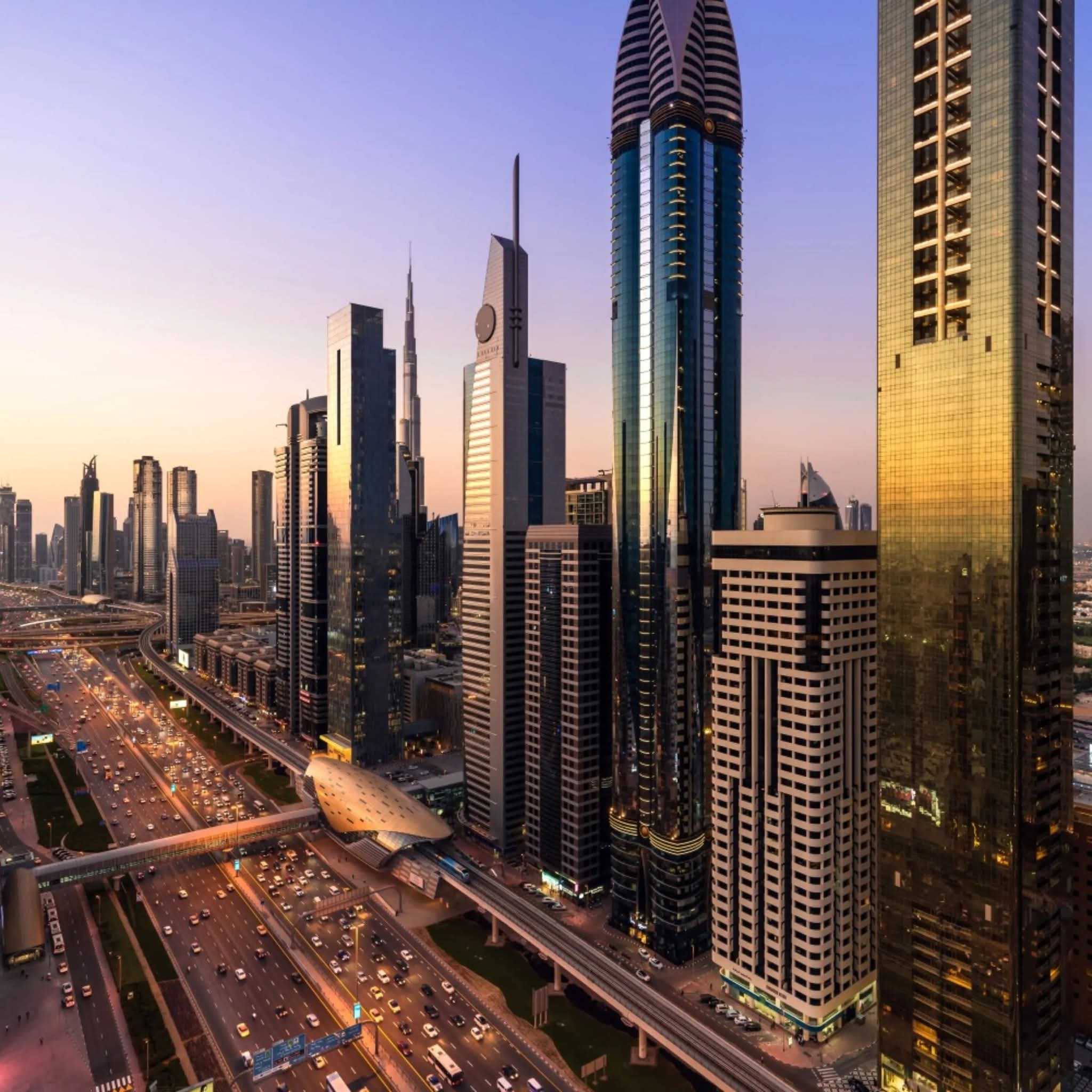
DUBAI – The glittering skyscraper-lined horizon of Dubai is facing its most significant geopolitical test in years. After a period of record-breaking growth, the city’s real estate sector is showing visible signs of strain as the ongoing conflict involving the United States, Israel, and Iran ripples through the Gulf’s economy.
Recent data from Goldman Sachs paints a sobering picture of the immediate impact. Real estate transaction volumes across the UAE plummeted 37% year-on-year and 49% month-on-month during the first 12 days of March. This sharp contraction suggests that the “safe haven” narrative, which successfully drew global wealth to the Emirates during previous global crises, is being challenged by the proximity of the current military escalations.
While the market is not in a freefall, the shift in sentiment is palpable on the ground. Real estate agents report that the frantic bidding wars of 2025 have been replaced by a “wait-and-see” approach. In some cases, urgency is driving price cuts; property listings near the Burj Khalifa have seen reductions from $735,000 to $650,000—a nearly 12% drop—as sellers seek quick exits.
The corporate side of the sector is feeling the heat even more acutely. Shares in Emaar Properties, the master developer behind Dubai’s most iconic landmarks, have tumbled more than 26% since the outbreak of hostilities. Analysts at Citigroup have warned of “considerable risk” to long-term population growth and demand, suggesting that if the conflict persists, annual price declines could reach 7%.

Despite the broader cooling, the top tier of the market remains active, proving that ultra-high-net-worth individuals still see value in Dubai’s premium bricks and mortar. Notably, former UFC heavyweight champion Francis Ngannou recently finalized a Dh92.5 million ($25 million) purchase of a luxury mansion at the Armani Beach Residences on Palm Jumeirah.
”This transaction speaks to the depth of conviction that global buyers have in Dubai’s property market,” said Ahmed Alkhoshaibi, Group CEO of Arada. “Tadao Ando’s architectural vision and the Palm’s unmatched position continue to attract serious buyers, even in volatile times.”
Experts suggest the current downturn is a “sentiment-driven correction” rather than a structural collapse like the 2008 crisis. S&P Global Ratings noted that while a slowdown is inevitable, a total crash is unlikely unless the conflict extends significantly beyond the coming months.
For now, the Dubai market finds itself at a crossroads. While the secondary market and mid-range apartments face mounting pressure from reduced transaction volumes, the city’s robust infrastructure and tax-friendly environment continue to provide a foundation for those focused on long-term value over short-term geopolitical volatility.
Do you want to advertise with us?
Do you need publicity for a product, service, or event?
Contact us on WhatsApp +2348033617468, +234 816 612 1513, +234 703 010 7174
or Email: validviewnetwork@gmail.com
CLICK TO JOIN OUR WHATSAPP GROUP



