

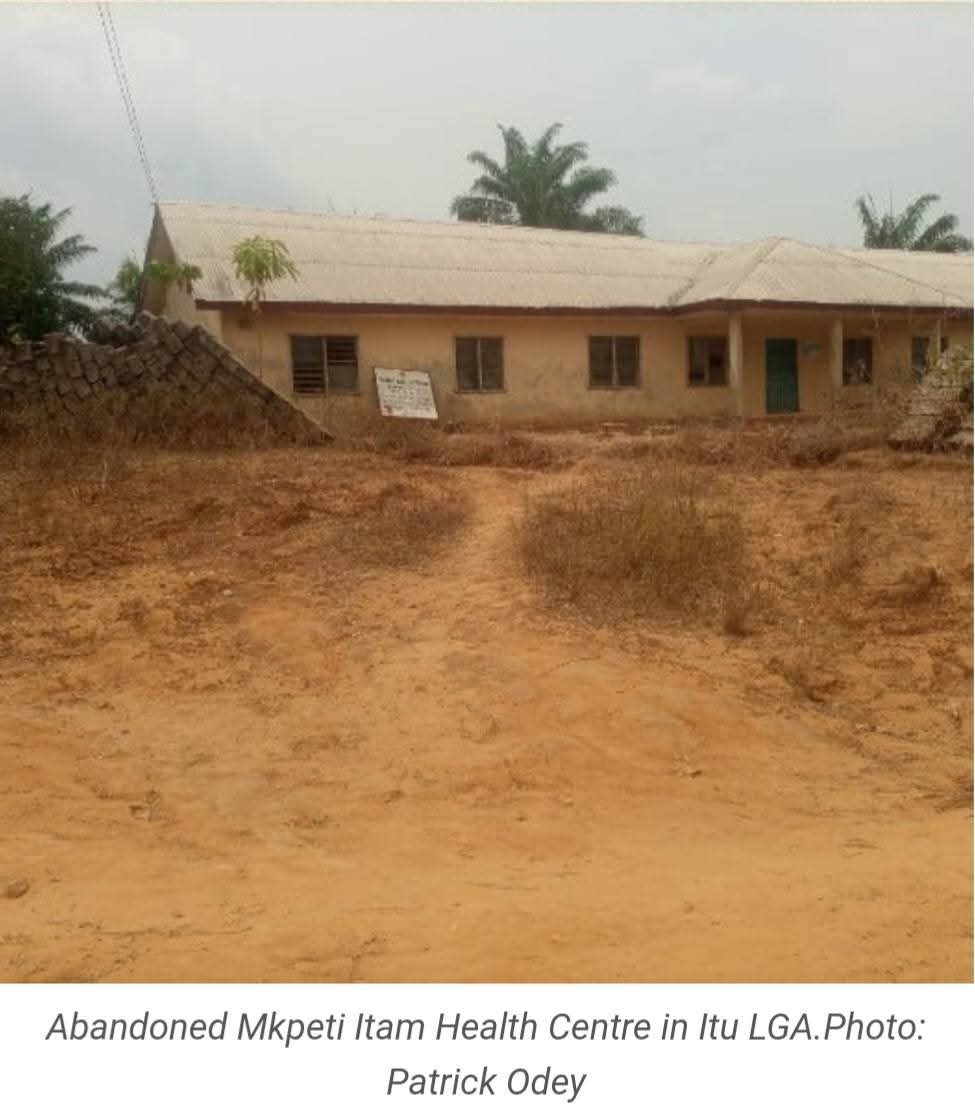
UYO, AKWA IBOM — Across the oil-rich landscapes of Akwa Ibom State, a silent and deadly crisis is unfolding within the walls of its primary healthcare centers (PHCs). What were intended to be sanctuaries for the state’s most vulnerable—especially pregnant women and newborns—have instead become monuments of neglect, characterized by collapsing roofs, filthy wards, and a harrowing absence of medical personnel.
An extensive investigation by PUNCH Healthwise has laid bare the systemic rot within these grassroots facilities. From the coastal communities of Eastern Obolo to the rural heartlands of Itu and Etim Ekpo, the story is the same: healthcare infrastructure is in a state of advanced decomposition, leaving residents with a grim choice: risk their lives in a derelict clinic or seek the help of traditional birth attendants (TBAs).
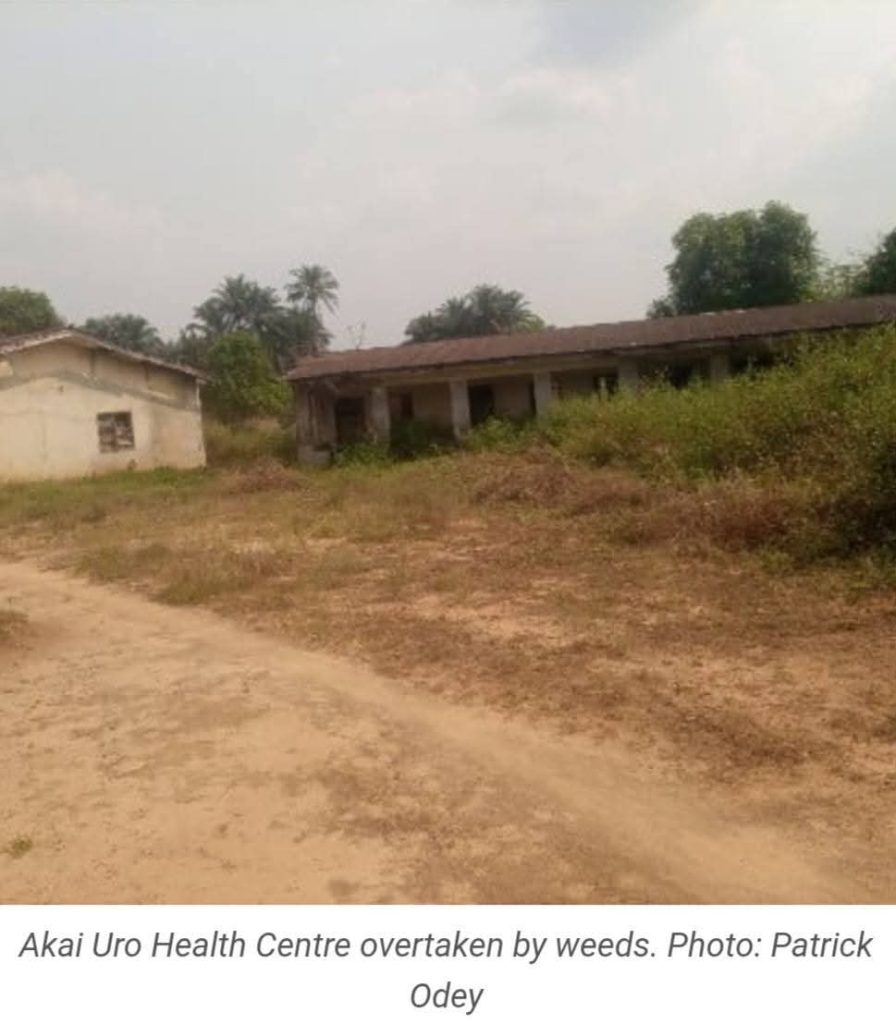
At the Akai Uro PHC, the scene is desolate. Aside from a lone Nigerian flag and a signpost, there is little to suggest the building is a medical facility. Weeds have reclaimed the compound, while the structure itself sports shattered windows and leaking ceilings. Similar conditions plague dozens of other centers where “modern medicine” has become a hollow promise.
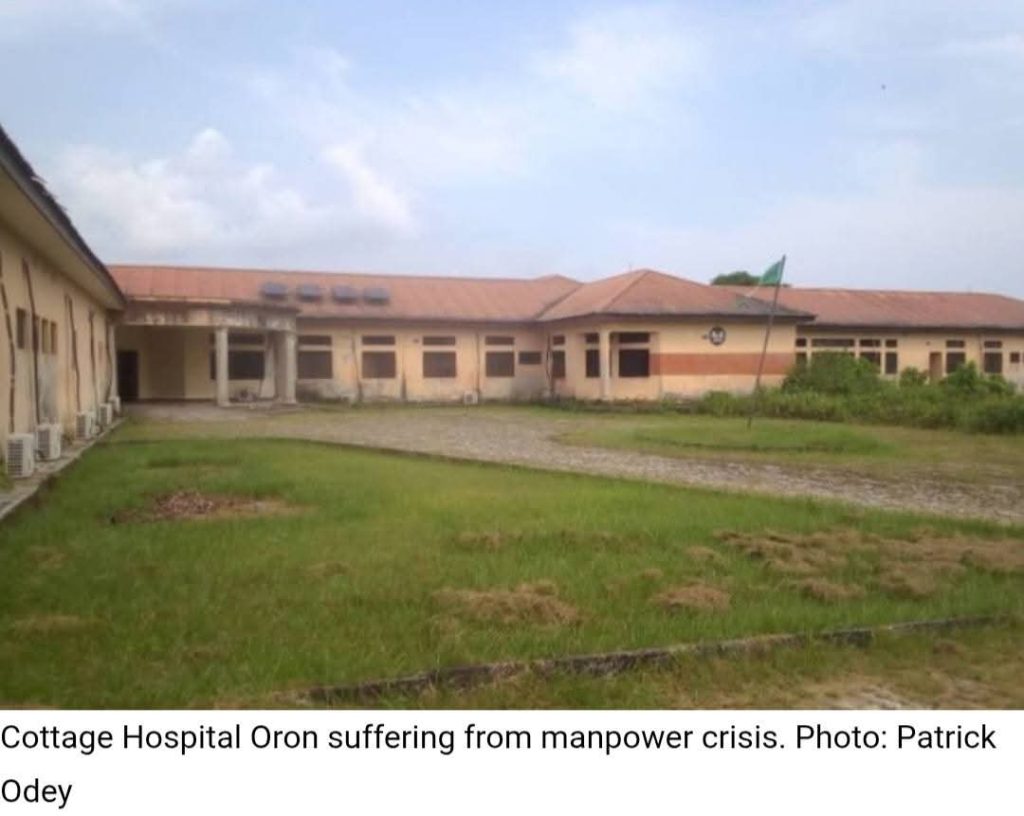
In Eastern Obolo, the investigation found that not a single PHC provides the 24-hour service mandated by national standards. The reason? A crippling shortage of manpower. Data suggests that across Akwa Ibom’s 468 PHCs, there are roughly 2,164 health workers—less than five per facility. This falls drastically short of the 24-staff minimum recommended by the National Primary Health Care Development Agency (NPHCDA).
The vacuum created by the government’s failure is being filled by traditional birth homes. While these attendants offer proximity and a “friendly disposition,” the medical risks are catastrophic.
”The PHC rarely opens at night,” one local resident, identified as Mrs. Purple, shared. After witnessing a neighbor lose a child due to the absence of night-shift workers at a local clinic, she fled to a TBA for her own delivery. The result was a tragedy: after hours of obstructed labor without professional intervention, her baby was delivered lifeless.
Current health indicators reflect this migration toward informal care. According to the Nigeria Demographic and Health Survey (2023-2024), only 38.6 percent of live births in Akwa Ibom take place in a formal health facility. The maternal mortality rate remains a staggering 774 per 100,000 live births—a figure that advocates say is fueled by the crumbling state of the PHCs.
The outcry following these revelations has pushed the state government into damage-control mode. In September 2025, Governor Umo Eno declared a “State of Emergency” on the health sector, citing an “embarrassing” maternal mortality incident as the tipping point.

The administration has since approved a N695 billion supplementary budget to address infrastructure and personnel emoluments. Commissioner for Health, Dr. Ekem John, recently announced the release of 2025 counterpart funding for primary healthcare and immunization, promising a radical overhaul.
However, for many women in the rural trenches of Akwa Ibom, these budgetary figures remain distant abstractions. While the government touts the construction of “Model PHCs,” critics argue that the vast majority of rural facilities remain “monuments of waste”—re-commissioned with fanfare but left without the doctors, drugs, or electricity needed to save lives.
As the roofs continue to cave in and the wards remain empty, the women of Akwa Ibom continue their dangerous trek to traditional altars, praying that their next delivery isn’t their last.
Do you want to advertise with us?
Do you need publicity for a product, service, or event?
Contact us on WhatsApp +2348033617468, +234 816 612 1513, +234 703 010 7174
or Email: validviewnetwork@gmail.com
CLICK TO JOIN OUR WHATSAPP GROUP