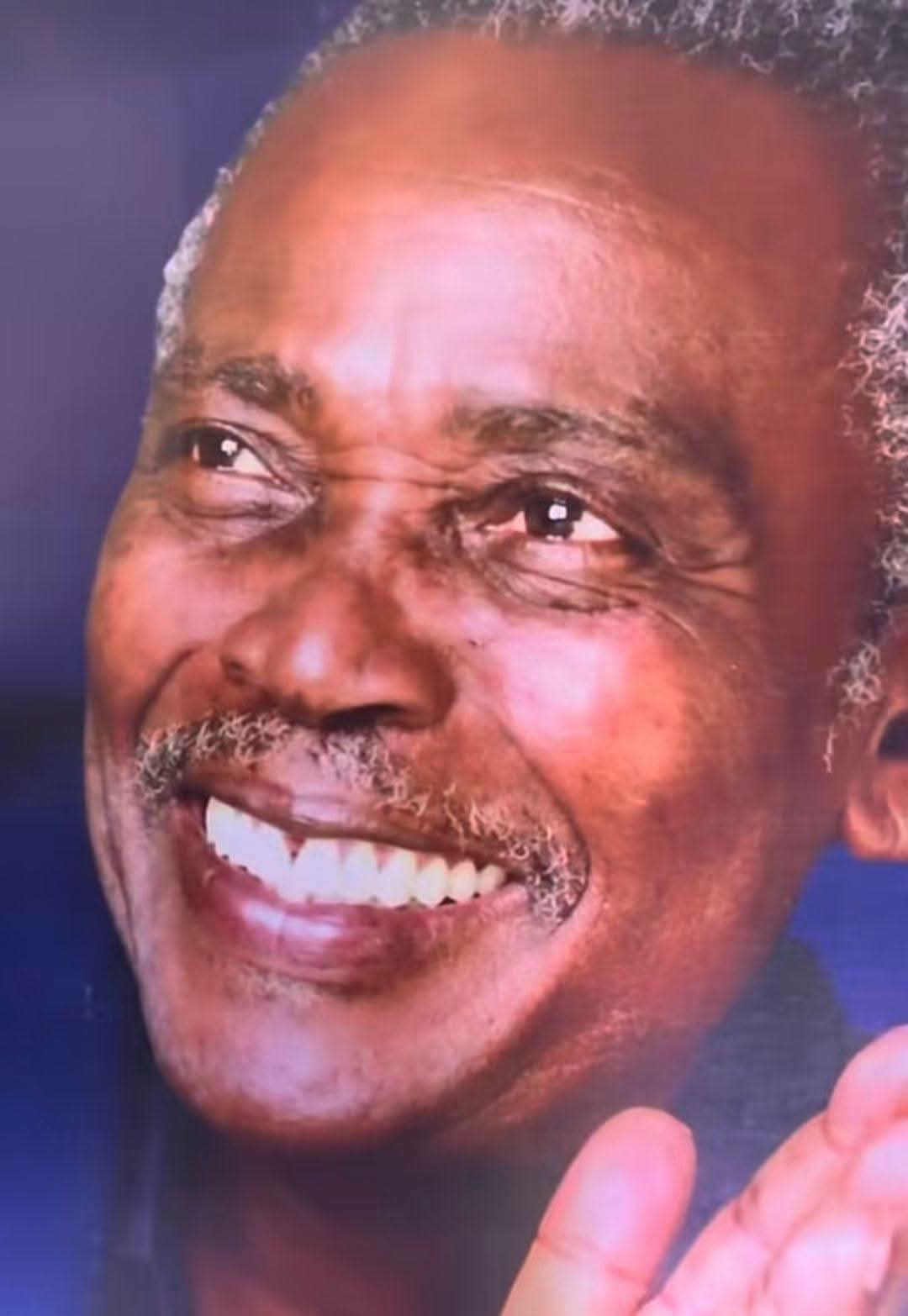
As the final funeral rites for Nigeria’s towering thespian unfold today, Friday, October 2, 2026, at This Present House in Lekki, the echoes of Wednesday’s Night of Tributes still reverberate across Lagos and the nation’s creative landscape. On September 30, family, friends, colleagues and contemporaries gathered at the historic Glover Memorial Hall on Lagos Island for a Service of Songs and Night of Tributes that blended solemn hymns, soulful performances, laughter-filled recollections and raw emotion.
The man they came to honour was Oludotun Baiyewu Jacobs, MFR — known simply and universally as Olu Jacobs — the “Lion of Lufodo,” who died on September 16 at the age of 84 after a career spanning more than five decades and two continents.
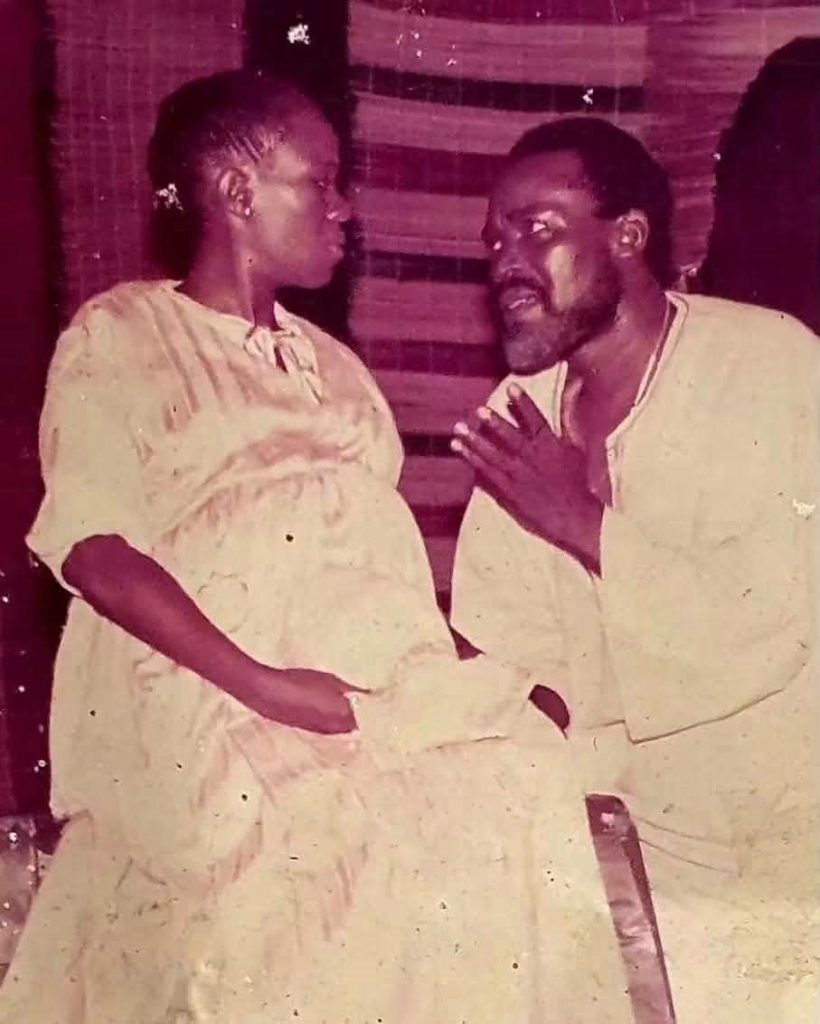
Born on July 11, 1942, to parents of Egba Alake heritage from Abeokuta in present-day Ogun State, Jacobs spent his formative years in Kano in northern Nigeria. At Holy Trinity School he joined the debating and drama societies, but the decisive spark came when he watched a performance by the legendary Hubert Ogunde and his concert party. That encounter transformed a schoolboy’s interest into a vocation. In 1964 he travelled to Britain and trained at the Royal Academy of Dramatic Art (RADA) in London, laying the classical foundation that would distinguish him for the rest of his life.
His early professional years unfolded on British stages and screens. One of his first notable stage roles was The Boy in A Taste of Honey at the newly opened Crucible Theatre in Sheffield in 1972. He appeared in a string of television productions that made him a familiar face to British audiences: The Goodies, Till Death Us Do Part, Barlow at Large, The Venturers, Angels, The Tomorrow People, The Professionals, Rumpole of the Bailey and others. In 1978 he played President Mageeba in Tom Stoppard’s Night and Day opposite Diana Rigg and John Thaw. The 1980s brought international film work — a customs officer in The Dogs of War alongside Christopher Walken and Tom Berenger, Colonel Nsogbu in Disney’s Baby: Secret of the Lost Legend, and Boomako in Roman Polanski’s Pirates with Walter Matthau.
In 1990 Jacobs returned home and stepped into Nigerian television as Inspector Best Idafa in the popular NTA detective series The Third Eye. The role announced the arrival of a seasoned professional whose presence, voice and craft would help define the emerging Nollywood industry. Over the following decades he appeared in more than 120 Nigerian films, frequently portraying kings, chiefs, fathers, elders and authority figures with gravitas and restraint. Notable titles include Adesuwa, Potomanto, The Antique, Oloibiri, Dry and The Royal Hibiscus Hotel. He became one of the acknowledged “godfathers of Nollywood,” a bridge between the classical theatre tradition and the fast-rising commercial film industry.
Recognition followed. In 2007 he won the Africa Movie Academy Award for Best Actor in a Leading Role. In 2011 President Goodluck Jonathan conferred on him the national honour of Member of the Order of the Federal Republic (MFR). He received the Industry Merit Award at the 2013 Africa Magic Viewers’ Choice Awards and the AMAA Lifetime Achievement Award in 2016. Together with his wife, the equally accomplished actress Joke Silva (whom he married in 1989), he founded the Lufodo Group, encompassing film production, distribution and the Lufodo Academy of Performing Arts. The couple raised two sons, Gbenga and Olusoji (Soji). Silva retained her professional name, a decision Jacobs publicly defended as respect for her individual identity.
Health challenges later emerged. In 2021 Silva revealed that her husband was living with dementia with Lewy bodies. Rumours of his death circulated periodically and were firmly debunked by the family until the authentic announcement came on September 16, 2026. Soji Jacobs described his father as “The Lion of Lufodo” and appealed for privacy as the family mourned.
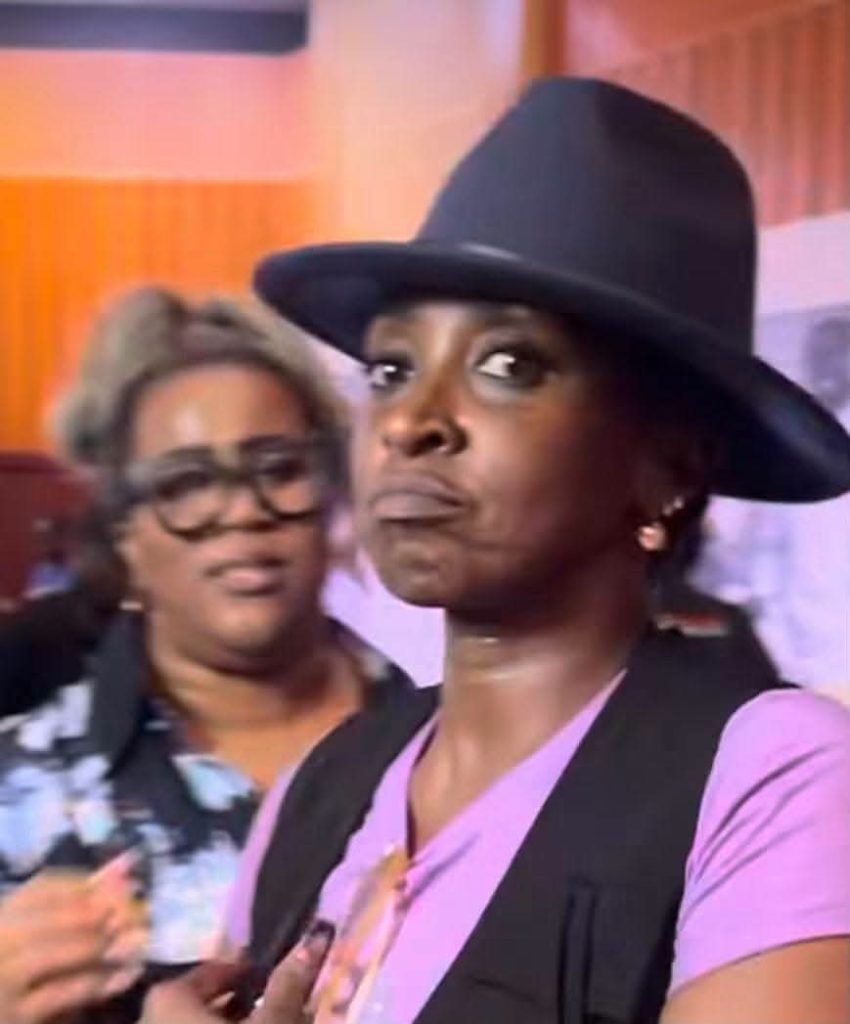
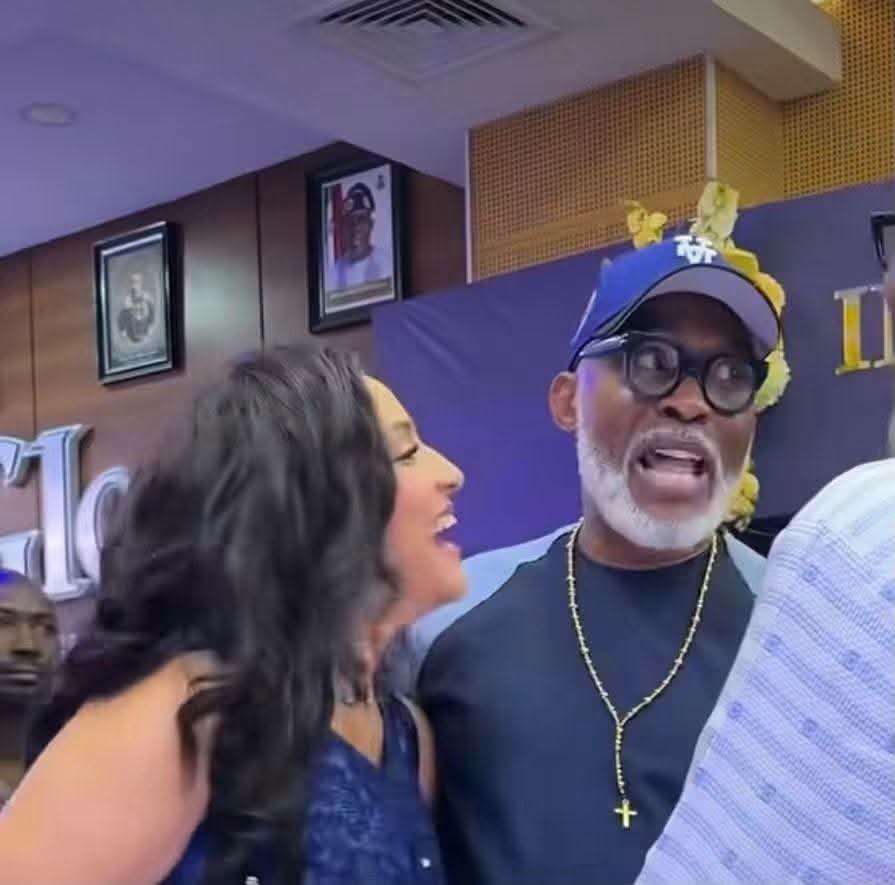
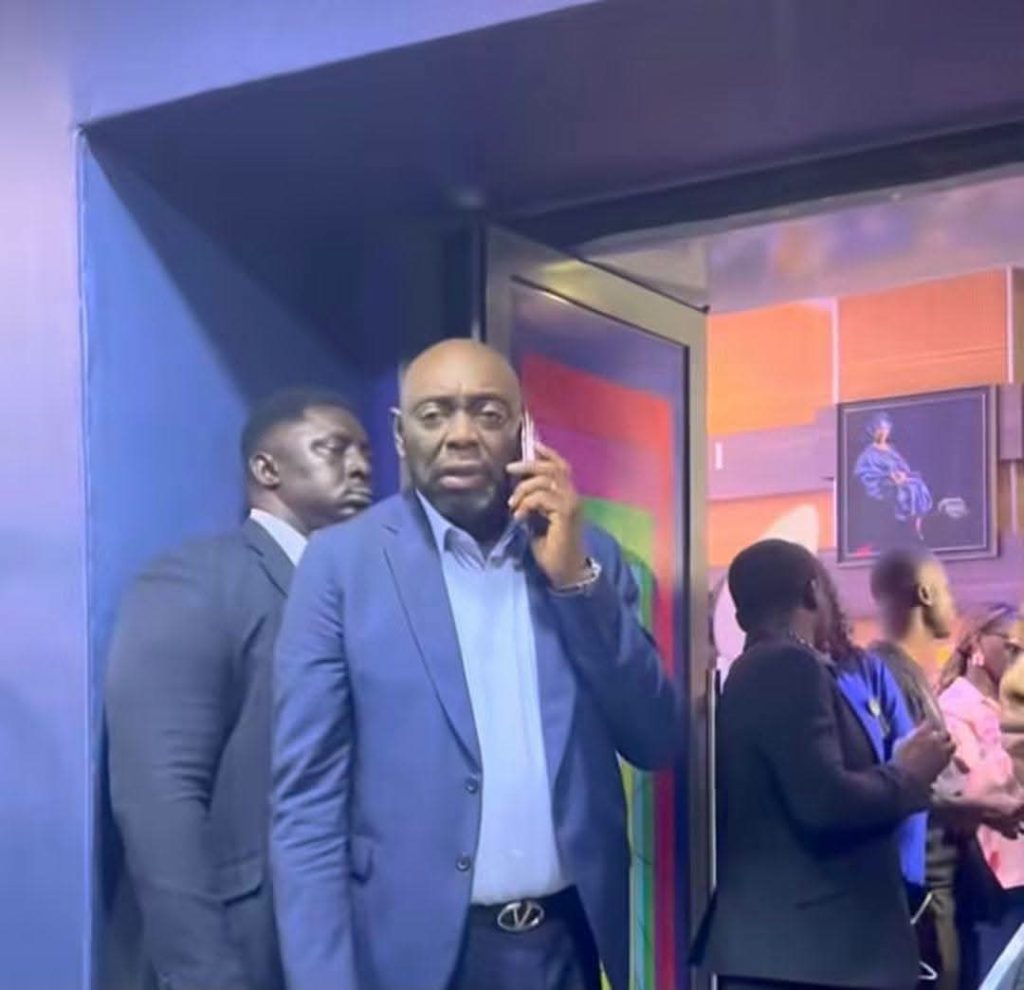
The Night of Tributes on September 30 captured the full measure of the man. Joke Silva, elegant in grey lace, sat with sons Gbenga and Soji, both in white agbada. The hall filled with Nollywood royalty and government figures: Richard Mofe-Damijo (RMD), Sola Sobowale, Norbert Young, Kate Henshaw, Hilda Dokubo, Funke Akindele, Jide Kosoko, Adebayo Salami (Oga Bello), Segun Arinze, Keppy Ekpenyong, Desmond Elliot, Ejike Asiegbu, playwright Ahmed Yerima, and Minister of Art, Culture and the Creative Economy Hannatu Musawa, among many others. A candlelight procession and a piano-accompanied medley by Yinka Davies framed the evening.
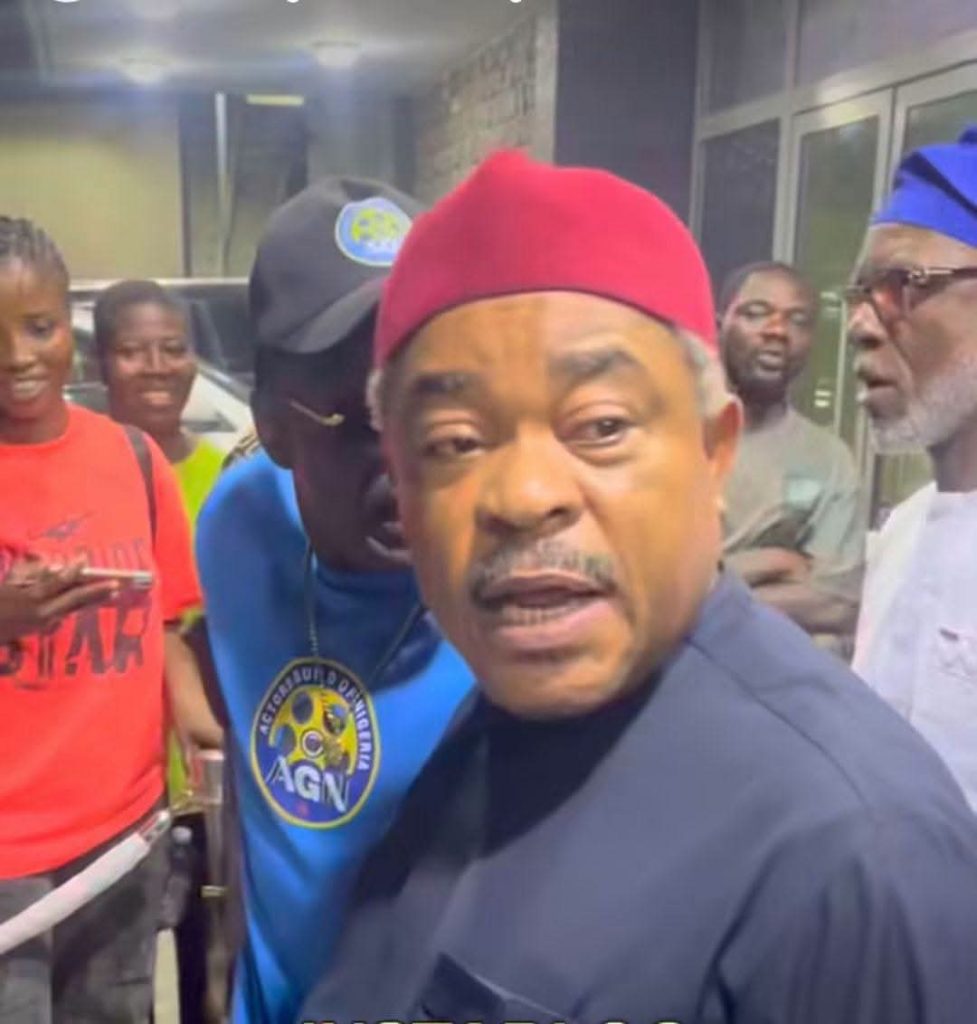
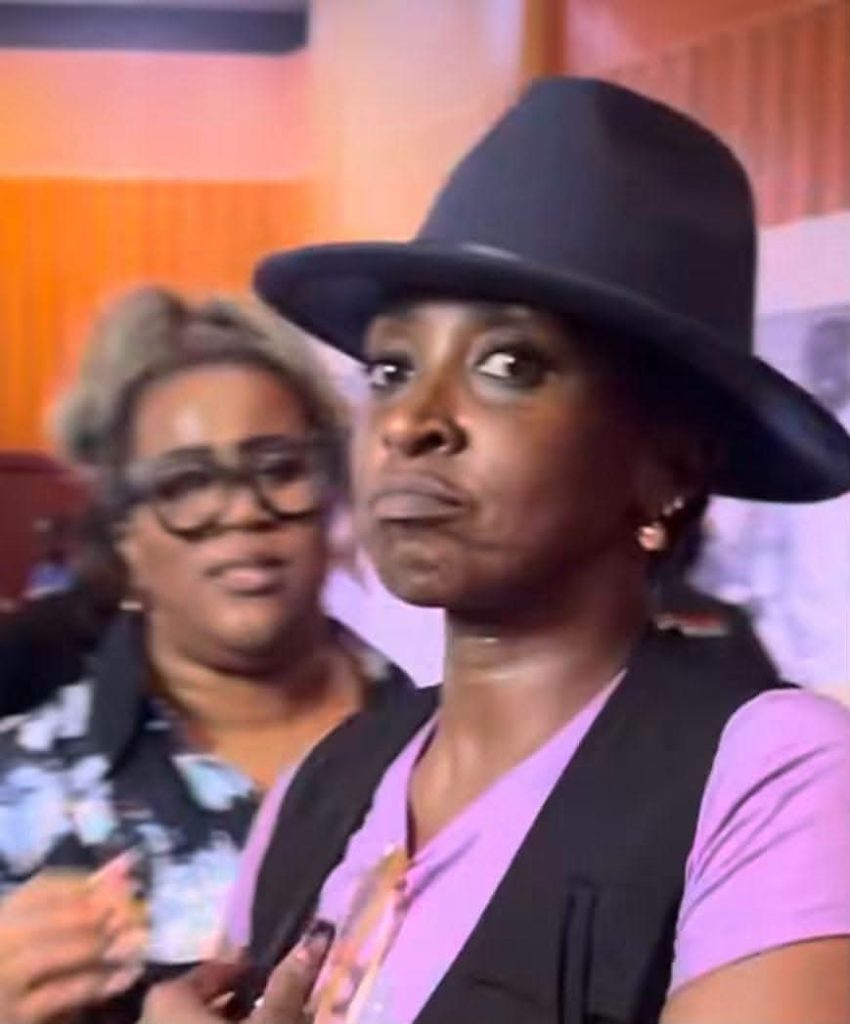
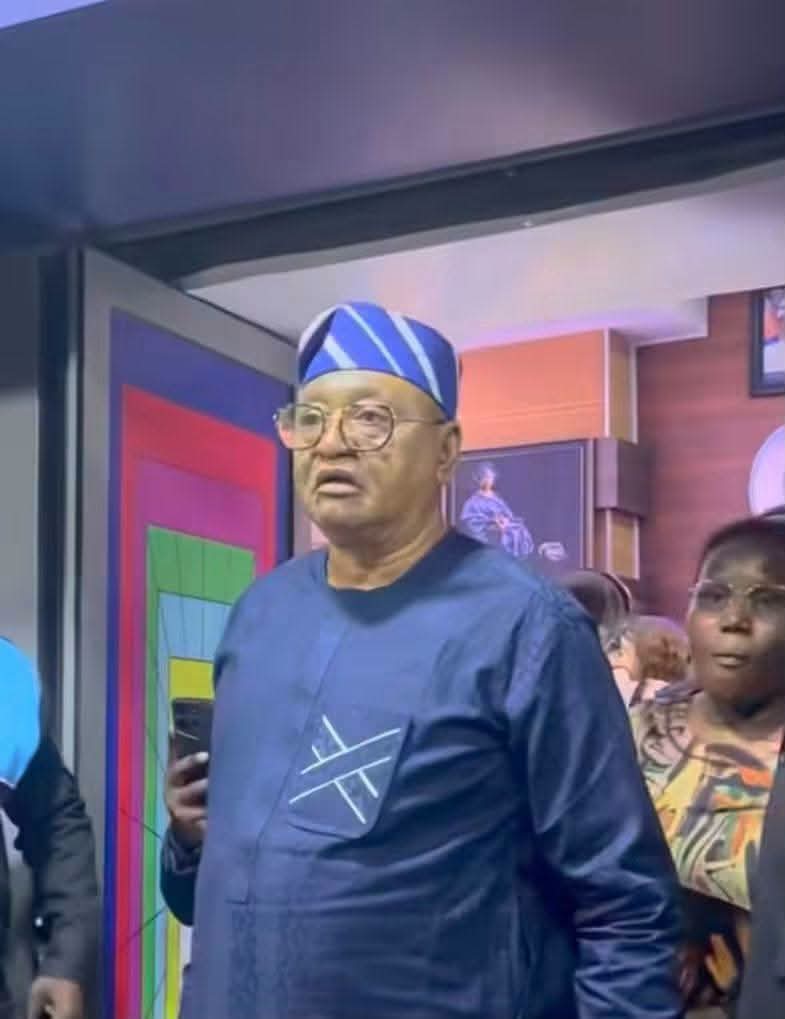
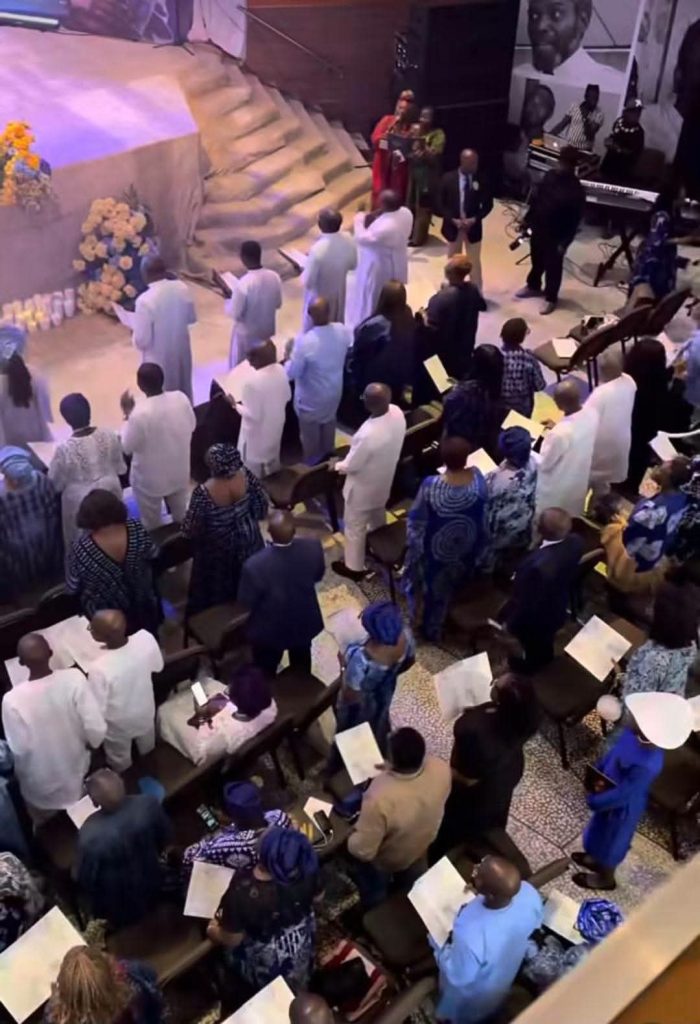
The sons opened the tributes with intimate portraits. Gbenga called his father “a giant of the entertainment industry” yet insisted that to him he remained simply “Dad.” He recalled the affectionate nickname “Baba,” the laughter, the dancing, and the philosophy that there is a time to work and a time to play. He ended by asking his father to rest: “my papa, my twin and the lion of Lufodo.” Soji remembered a magnetic, genuine man who protected his children’s privacy fiercely, taught through stories, and never allowed the industry’s possessiveness to invade the family circle. “For me, he was simply Dad,” he said.
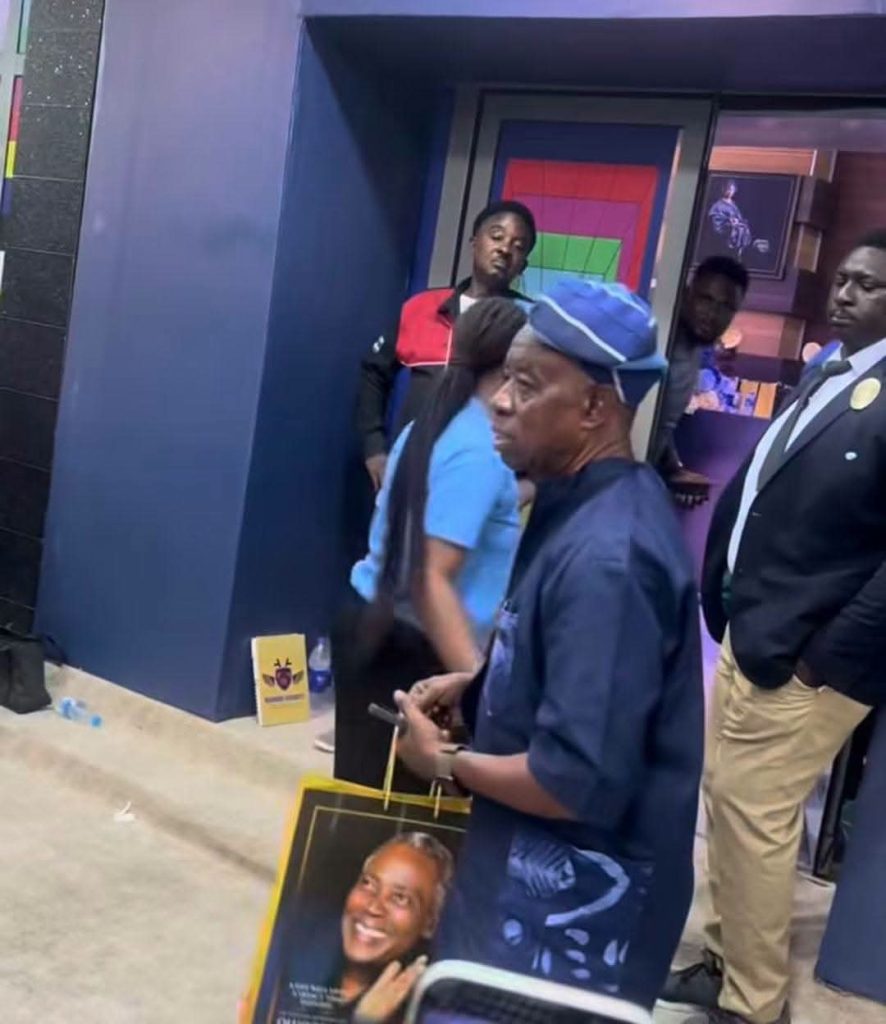
Colleagues painted a consistent picture of mentorship, discipline and quiet generosity. Norbert Young, who worked with Jacobs on The Third Eye between 1990 and 1993, declared he had come “to praise, not to mourn.” He met Jacobs at least once a week during those years and “became the actor I am today from listening to him.” RMD described Jacobs as a father figure whose return to Nigeria created opportunities for younger performers. He shared a story Jacobs once told him about forgetting a single line on a British stage — a lesson that there are no small actors and no small lines, but neglecting the small line can make an actor small. “I have refused since I met him to be a small actor,” RMD said.

Sola Sobowale recalled the moment Jacobs publicly affirmed her talent in a room of peers, an endorsement that transformed her confidence. “Somebody trained me,” she acknowledged. Kate Henshaw remembered his legendary preparedness: on one remote set he produced mixed vegetables, sausages and coffee from a leather bag when the crew was nearly stranded. Hilda Dokubo, starstruck on an early set, was gently calmed and invited to read with him. Keppy Ekpenyong spoke of being lifted off his feet in celebration after a performance in London, an act that banished stage fright. Ahmed Yerima drew laughter when he recalled forgetting his own lines because Jacobs began crying in a scene that had never called for tears.


The cumulative portrait that emerged was of a man who reached the summit of his craft yet never needed to diminish others to maintain his stature. He was disciplined yet playful, authoritative on screen yet paternal off it, classically trained yet fully committed to the Nigerian industry that did not yet fully exist when he returned home. His voice, presence and standards became a benchmark for generations.
Do you want to advertise with us?
Do you need publicity for a product, service, or event?
Contact us on WhatsApp +2348033617468, +234 816 612 1513, +234 703 010 7174
or Email: validviewnetwork@gmail.com
CLICK TO JOIN OUR WHATSAPP GROUP
As the nation today commits the body of Oludotun Baiyewu Jacobs to the earth, the Night of Tributes has already begun the work of immortality. The films remain. The academy continues. The countless actors who learned by watching, listening or receiving a quiet word of encouragement carry the flame. The Lion of Lufodo has taken his final bow, but the roar of his legacy still fills the halls of Nigerian storytelling.