

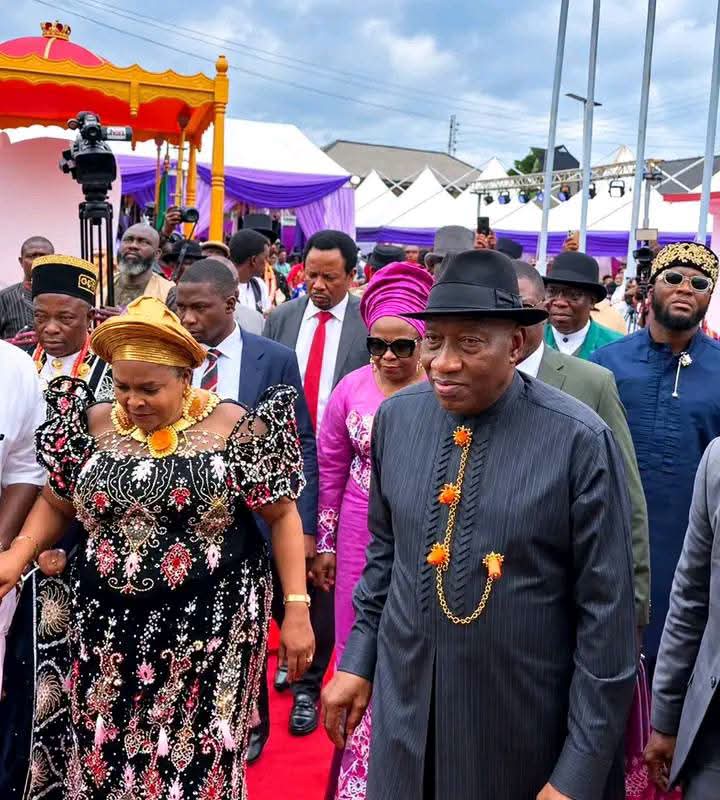
Former President Goodluck Ebele Jonathan and his wife, Dame Patience Jonathan, on Saturday led a distinguished assembly of traditional rulers and dignitaries into the ancient Opobo Kingdom in Rivers State for the historic coronation of His Majesty, King Charles Douglas MacPepple Jaja, Jeki VI, as Amanyanabo and Treaty King.
The couple arrived at the coronation venue around 11:15 a.m., joining other high-profile guests as the climax of a carefully planned 10-day programme of cultural, traditional and ceremonial activities that began on September 18. Also present were the Rivers State Governor, represented by Deputy Governor Professor Ngozi Odu; former Rivers State Deputy Governor Sir Gabriel Toby and his wife, Dame Christie; the Olu of Warri; the Obi of Onitsha, His Majesty Nnaemeka Alfred Achebe; the Amanyanabo of Bonny; HRM Asari Dokubo; and a host of other traditional rulers, government officials, clergy, chiefs and invited guests from across Nigeria and the diaspora.
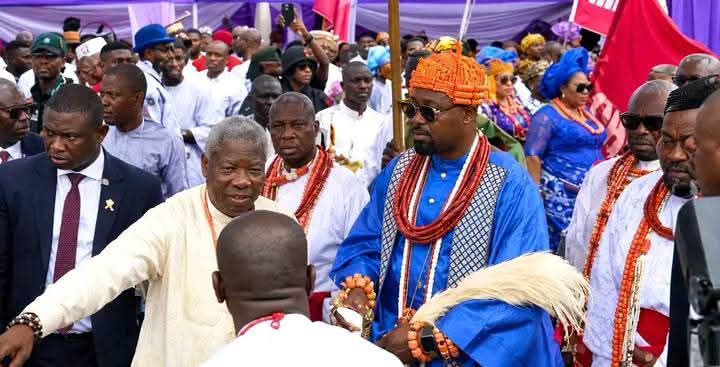
The grand ceremony, held in Opobo Town, marks the formal installation of King Charles Douglas MacPepple Jaja as the sixth monarch in the Jeki lineage. He succeeds his late elder brother, King Dandeson Douglas Jaja, Jeki V, the former Chairman of the Rivers State Council of Traditional Rulers, who passed away on December 31, 2025, at the age of 83 and was buried in April 2026. King Charles was elected Amanyanabo-elect on December 31, 2025, in a peaceful process that has been widely praised for preserving the unity of the kingdom.
Opobo Kingdom, founded in 1870 by the legendary merchant prince and statesman King Jaja of Opobo (Jubo Jubogha), ranks among the most historically significant traditional institutions in the Niger Delta. Renowned for its maritime trading prowess, diplomatic influence and rich Ijaw (Ibani) cultural heritage, the kingdom has long symbolised resilience and independent spirit. King Jaja’s 1873 commercial treaty with Britain formally recognised him as King of Opobo; later conflicts with British imperial interests led to his arrest and exile in 1887. The throne continues to embody that legacy of courage, enterprise and leadership.
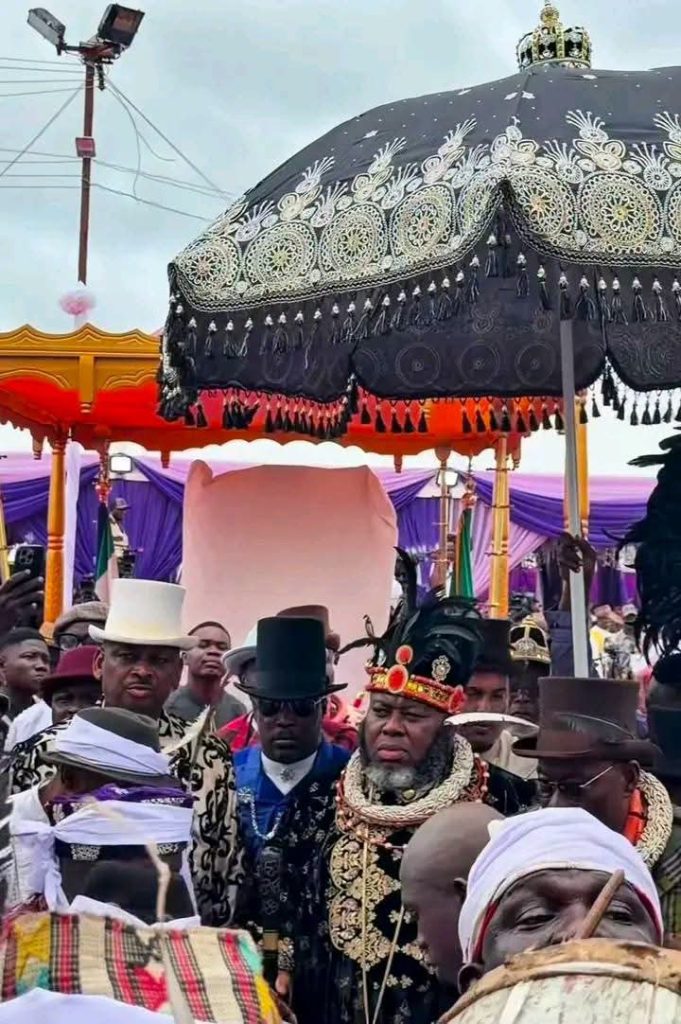
The coronation proper features the arrival of the Amanyanabo, the Alapu Council and the King Jaja Executive Authority; the administration of the oath of office; the formal crowning accompanied by a 16-cannon royal salute and the tolling of the historic ceremonial bell; and the presentation of the staff of office. These rites form the high point of an elaborate programme that has already included traditional announcements with seven cannon shots, the hosting of war canoe house flags, colourful masquerade displays (Owu Mbilla, Owu Odobo, Owu Ijuruma and others), the all-night Mkpka Nwaotam and Uke Nwaotam performances, special church services, cultural dances such as Ngunume and Ekpete, and the Omu Aru expedition.

In the months leading up to the event, the Opobo Council of Alapu (Chiefs) conducted extensive diplomatic and traditional visits to strengthen historic ties and extend formal invitations. Among those received was former President Jonathan at his residence in Yenagoa, Bayelsa State. Jonathan described Opobo as “a place with history” that has made significant contributions to Nigeria, particularly the Niger Delta, and pledged to honour the invitation. “We will come to honour you back,” he said. Similar engagements took place with other royal houses, including a notable visit by King Charles to the palace of the Obi of Onitsha.
The Opobo Council of Chiefs has repeatedly emphasised that the coronation is far more than the crowning of a monarch. It is a celebration of the kingdom’s resilience, ancestry, identity and enduring heritage, while opening what officials have called “a vibrant sixth chapter” focused on unity, cultural preservation and sustainable socio-economic development. King Charles Douglas MacPepple Jaja, born on January 27, 1959, into the royal lineage at King Jaja’s Palace, brings decades of service within the kingdom’s traditional structures, including roles as House Secretary, Alapalibo and Alabo of the Chief MacPepple War Canoe House.
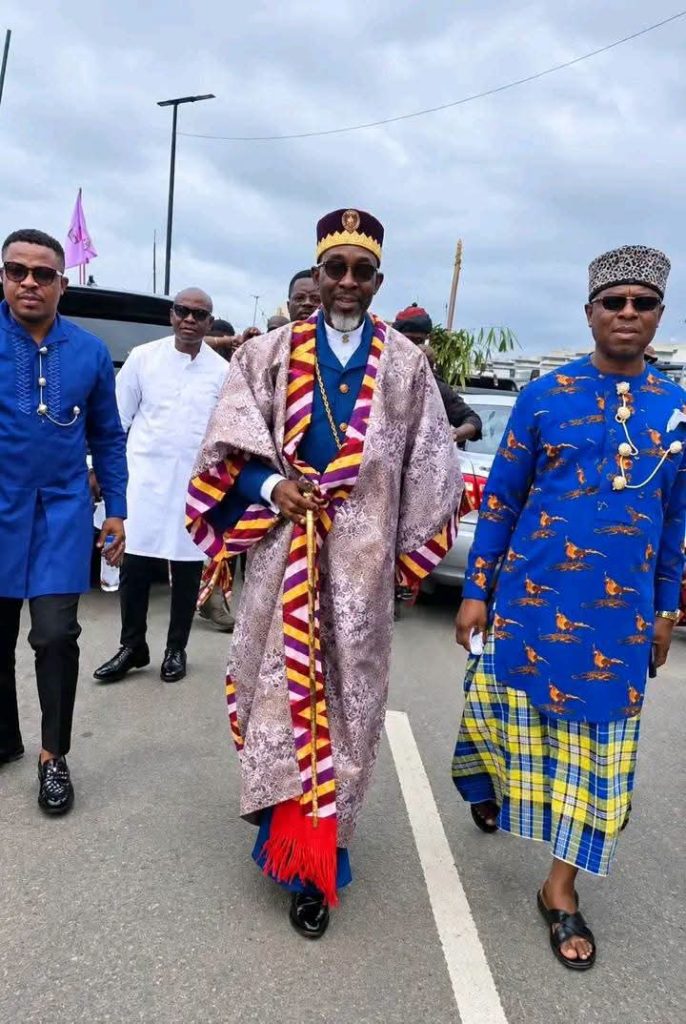
Adequate security, traffic and protocol arrangements have been put in place to ensure the smooth conduct of the ceremonies and the safety of residents and visitors. The kingdom has invited Nigerians at home and in the diaspora, members of the diplomatic community, captains of industry and the media to participate in documenting and sharing the story of Opobo’s rich traditions with a wider audience.
As the ancient crown that once rested on the head of the founder, King Jaja of Opobo, is placed on the head of Jeki VI, Opobo Kingdom reaffirms its place as a living repository of Niger Delta history and a beacon of continuity amid change. The presence of a former Nigerian president, leading traditional rulers from across the region and a broad spectrum of dignitaries underscores the national and cultural significance of the occasion.
Do you want to advertise with us?
Do you need publicity for a product, service, or event?
Contact us on WhatsApp +2348033617468, +234 816 612 1513, +234 703 010 7174
or Email: validviewnetwork@gmail.com
CLICK TO JOIN OUR WHATSAPP GROUP