

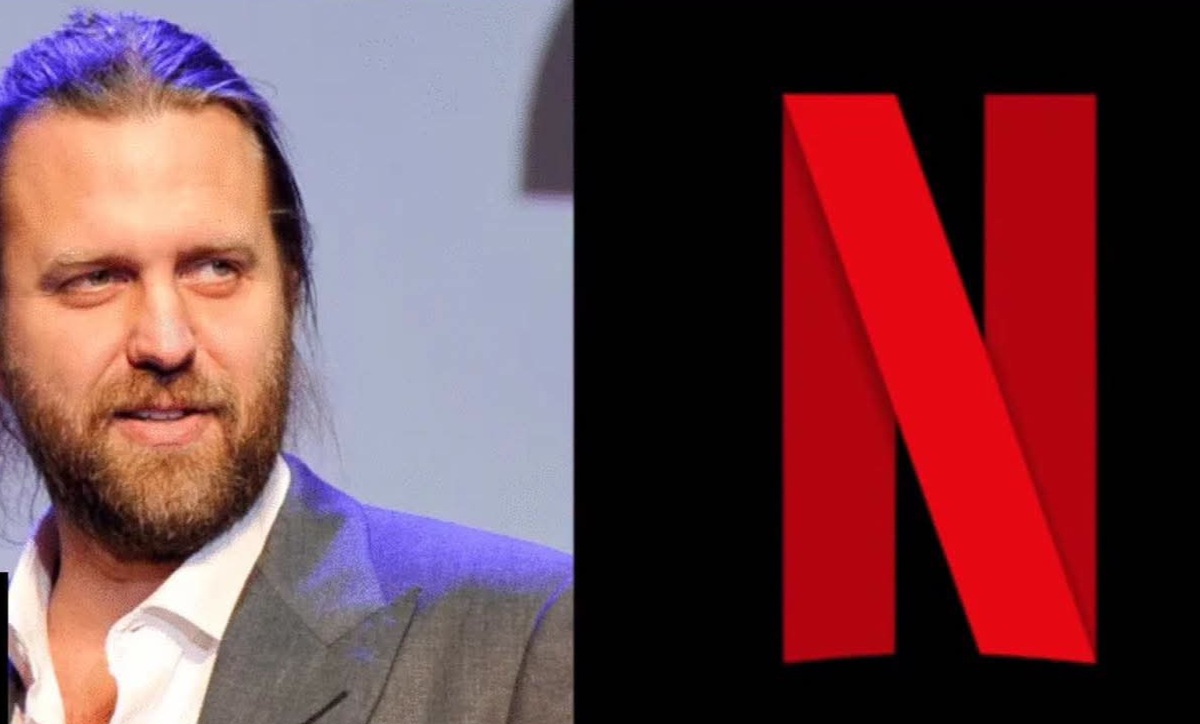
NEW YORK — Carl Erik Rinsch, the filmmaker best known for directing the 2013 sci-fi action film 47 Ronin, was sentenced to 30 months in federal prison on Monday for defrauding Netflix out of $11 million.
U.S. District Judge Jed S. Rakoff handed down the sentence in Manhattan, marking the conclusion of a high-profile legal battle over a stalled production project. In addition to the prison term, Rinsch was ordered to pay $11 million in restitution and will serve three years of supervised release. He is scheduled to report to prison on September 1.
The Fraud Scheme
The case centered on Conquest, a science-fiction series originally titled White Horse. Netflix had initially provided Rinsch with approximately $44 million to produce the show between 2018 and 2019. In 2020, Rinsch requested an additional $11 million, claiming the funds were necessary to finalize production.
Prosecutors presented evidence at trial showing that Rinsch never intended to complete the series. Instead of allocating the funds to the production, Rinsch moved the money into personal brokerage accounts. Within months, he had lost nearly half of the $11 million through high-risk stock and cryptocurrency trades.
The remainder of the funds were directed toward an extravagant lifestyle. Court documents detailed a spending spree that included:

- Five Rolls-Royce automobiles and a red Ferrari.
- $652,000 on luxury watches and designer clothing.
- Approximately $295,000 on high-end bedding and linens, including two mattresses priced at $638,000.
- $1.8 million used to settle personal credit card debt.
Mental Health and Legal Consequences
During the sentencing hearing, Rinsch’s defense team argued that his actions were influenced by significant mental health struggles and complications arising from medication usage. Actor Keanu Reeves, who starred in 47 Ronin, submitted a letter to the court in support of leniency, suggesting that Rinsch’s behavior was the result of a “compromised” mental state.
Rinsch addressed the court directly, expressing remorse for his actions and acknowledging the “real harm” he had caused. He admitted to failing to recognize the “danger of the state” he was in at the time of the fraud.
While Judge Rakoff acknowledged that Rinsch’s mental health difficulties “may explain some of the excesses,” he maintained that the prison sentence was necessary. “It doesn’t detract from the court’s conclusion that he was determined to lie to get substantial monies from Netflix, lie to cover it up,” the judge noted.
Federal prosecutors had initially sought a 60-month prison sentence. The current 30-month term follows Rinsch’s conviction last December on charges of wire fraud, money laundering, and related financial crimes.
Do you want to advertise with us?
Do you need publicity for a product, service, or event?
Contact us on WhatsApp +2348033617468, +234 816 612 1513, +234 703 010 7174
or Email: validviewnetwork@gmail.com
CLICK TO JOIN OUR WHATSAPP GROUP