

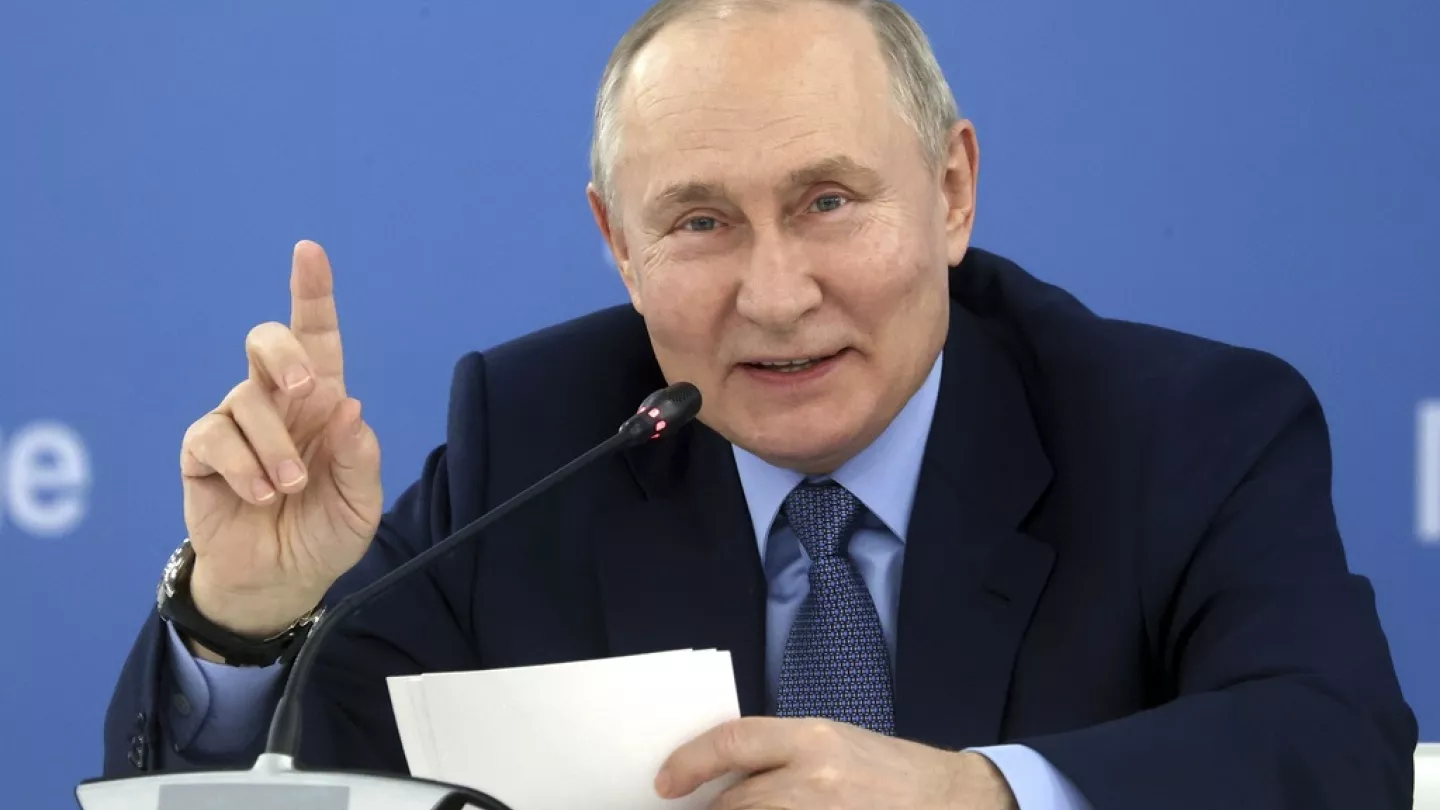
MOSCOW — The Kremlin has begun a quiet retreat from its aggressive campaign to throttle the Russian internet, as internal polling reveals that a combination of digital restrictions and deepening economic fatigue is beginning to erode President Vladimir Putin’s core support.
Data from the state-run Russian Public Opinion Research Center (VTsIOM) shows that trust in the Russian leader has plunged more than eight percentage points since January, settling at 67.8% this month—the lowest approval rating recorded since the 2022 invasion of Ukraine.
Digital Resistance
The sagging numbers follow a spring of unprecedented digital disruption. In March, residents in Moscow and Saint Petersburg endured weeks of mobile internet outages, which the government officially attributed to “security measures” against drone threats. However, independent observers and leaked reports suggest these were live tests of a “sovereign internet” infrastructure designed to isolate Russia from the global web.

The crackdown particularly targeted Telegram and YouTube, platforms that have become essential lifelines for both private communication and independent news. The resulting public backlash, which sparked peaceful protests in several cities including Nizhniy Novgorod, has reportedly alarmed the FSB. Sources familiar with Kremlin discussions indicate that top officials are now warning that further throttling could pose a “political risk” ahead of the September State Duma elections.

Economic Strains at Home
The digital discontent is compounded by a darkening economic outlook. While the Kremlin has spent four years shielding the public from the full impact of Western sanctions through massive military spending, the “wartime economy” is showing signs of structural exhaustion.
Industrial production and construction have slipped into negative territory for the first two months of 2026. Despite a temporary windfall from rising global oil prices—linked to regional tensions in the Middle East—inflation remains a persistent threat. Domestic businesses are struggling with a labor shortage of over 2.4 million workers, as young men are diverted to the front lines or lured by high military bonuses, driving up civilian wages and, subsequently, the cost of living.
A Temporary Reprieve?
On Tuesday, Kremlin spokesman Dmitry Peskov characterized recent internet shutdowns as “temporary,” promising that access would be “fully restored” once security needs passed.
Do you want to advertise with us?
Do you need publicity for a product, service, or event?
Contact us on WhatsApp +2348033617468, +234 816 612 1513, +234 703 010 7174
or Email: validviewnetwork@gmail.com
CLICK TO JOIN OUR WHATSAPP GROUP
However, sociologists and human rights groups remain skeptical. Experts suggest the current easing is a strategic “PR move” to stabilize approval ratings rather than a genuine shift in policy. With the war in Ukraine entering its fifth year and the 2026 budget forecasting a widening deficit, the Kremlin’s balance between total social control and maintaining public morale remains increasingly precarious.