

WASHINGTON — In a high-stakes maneuver to contain skyrocketing global energy prices, the United States on Thursday issued an amended general license that allows the sale of Russian oil currently stranded at sea, while simultaneously tightening a “chokehold” on shipments destined for Cuba and North Korea.
The Treasury Department’s updated directive, which supersedes a similar waiver issued on March 12, authorizes the delivery and unloading of Russian crude and petroleum products loaded on vessels prior to the March 12 deadline. The window for these transactions remains open until April 11, 2021. However, the new language explicitly bars any Russian oil from reaching Havana or Pyongyang, marking a aggressive escalation of the administration’s “Maximum Pressure” campaign against its long-standing adversaries.
The decision comes as Brent crude surged past $115 per barrel following a dramatic escalation in the Middle East. Recent U.S.-Israeli strikes on Iranian gas fields have triggered retaliatory attacks on regional infrastructure and a near-total shutdown of the strategic Strait of Hormuz.
Treasury Secretary Scott Bessent defended the temporary easing of Russian sanctions—originally imposed following the 2022 invasion of Ukraine—as a “narrowly tailored” necessity to promote market stability. “This measure applies only to oil already in transit,” Bessent stated, arguing it prevents a total global supply collapse without providing long-term fiscal benefits to the Kremlin.
While the U.S. offers a temporary reprieve to global buyers of Russian oil, the outlook for Cuba has never been bleaker. The island nation of 11 million is currently reeling from a total collapse of its electrical grid, leaving millions in darkness.

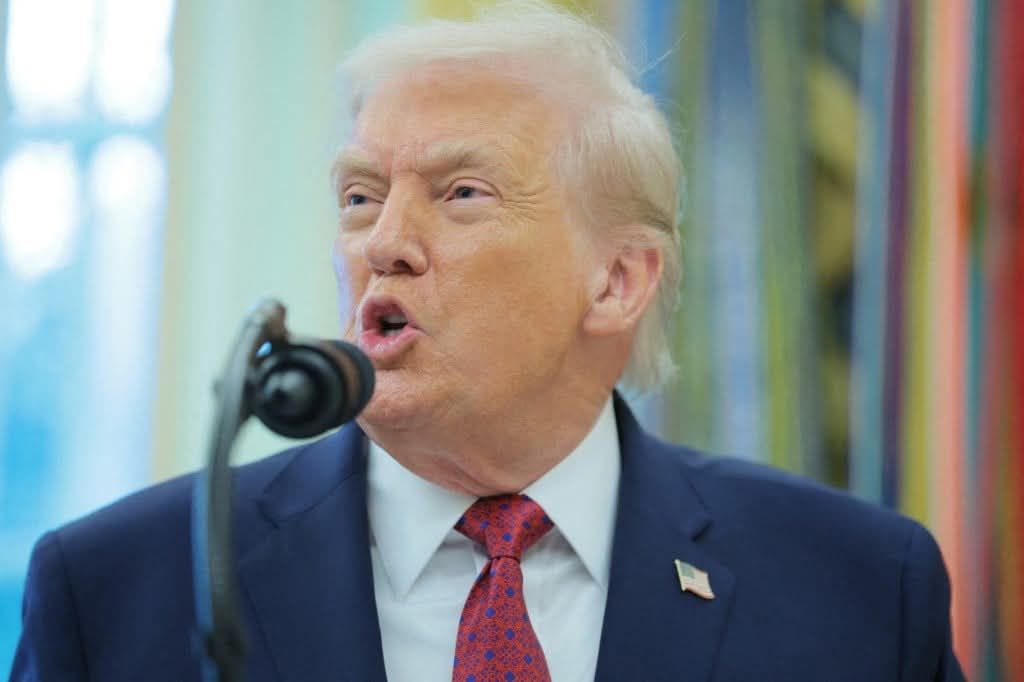
President Donald Trump has repeatedly signaled that the energy blockade is a precursor to a more permanent shift in the island’s governance. On Monday, the President told reporters he would soon have the “honor of taking Cuba,” adding, “I think I can do anything I want with it, if you want to know the truth.”
The move has drawn sharp rebukes from both domestic critics and international allies. Congressional Democrats slammed the administration for providing a “financial lifeline” to Moscow, with some analysts estimating Russia could net upwards of $4 billion in additional revenue from the 30-day window. Meanwhile, European leaders expressed “grave concern” that the waiver undermines four years of efforts to deplete the Kremlin’s war chest.
As the April 11 deadline approaches, energy analysts warn that if the conflict in the Middle East persists, the administration may be forced to renew these “temporary” waivers, further blurring the lines of its global sanctions regime.
Do you want to advertise with us?
Do you need publicity for a product, service, or event?
Contact us on WhatsApp +2348033617468, +234 816 612 1513, +234 703 010 7174
or Email: validviewnetwork@gmail.com
CLICK TO JOIN OUR WHATSAPP GROUP