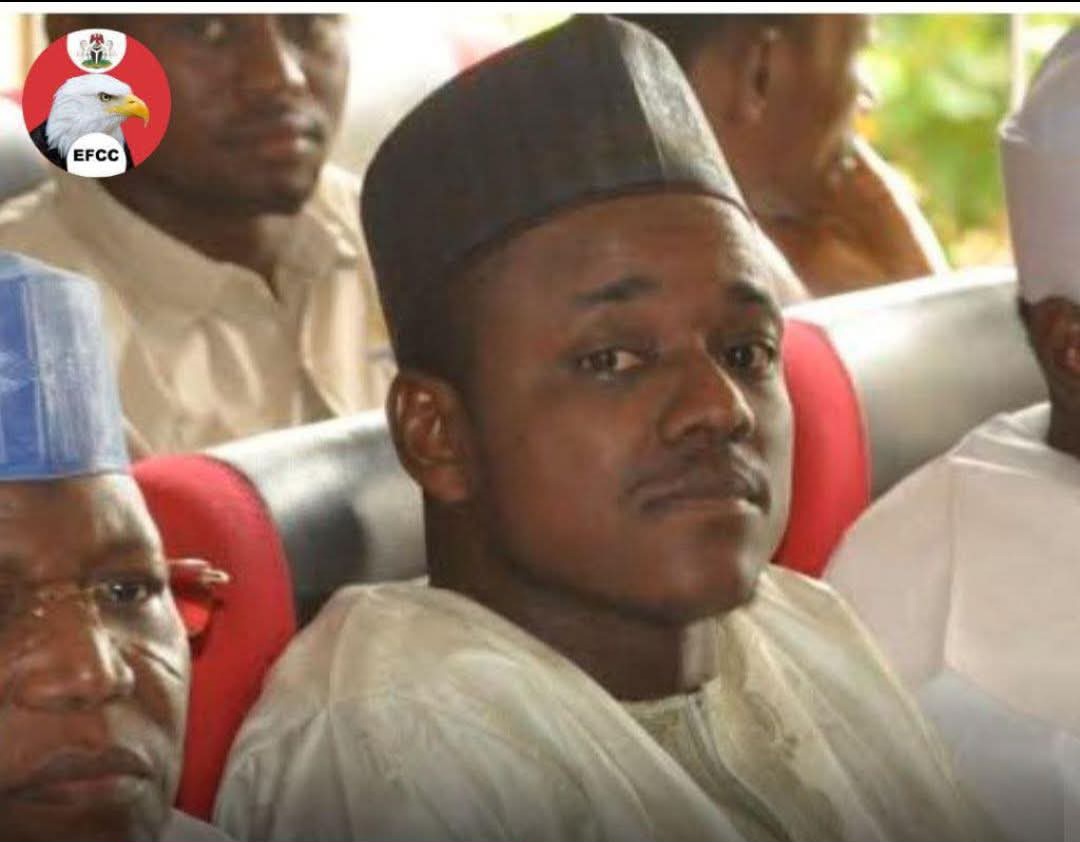
Nigeria’s Supreme Court has directed former Jigawa State Governor Sule Lamido, his sons Mustapha and Aminu, and other defendants to return to trial over allegations of N1.35 billion fraud and money laundering. The ruling, delivered on January 16, 2026, by a five-member panel led by Justice Abubakar Umar, nullified the Court of Appeal’s 2023 decision that discharged them due to jurisdictional issues.
Case Background
The Economic and Financial Crimes Commission (EFCC) first arraigned Lamido and co-defendants—including Aminu Wada Abubakar, Bamaina Holdings Ltd, and Speeds International Ltd—before Justice Ijeoma Ojukwu’s Federal High Court in Abuja in 2015. They faced 37 to 43 counts (sources vary slightly on the exact number) of money laundering and abuse of office tied to Lamido’s tenure as governor from 2007 to 2015. Prosecutors alleged he received kickbacks from state contractors like Dantata & Sawoe Construction Company, laundering funds through company accounts at banks including Unity Bank and Skye Bank.
After the EFCC closed its case, the defendants filed no-case submissions, which the trial court rejected, prompting appeals. The Court of Appeal’s July 25, 2023, judgments upheld those submissions and struck the charges, citing lack of jurisdiction. The Supreme Court unanimously set aside those rulings, affirming the Federal High Court’s authority and ordering the trial to resume with the defendants entering their defenses.

Key Allegations in Charges
Sample counts highlight the EFCC’s claims of illicit gratification and concealment:
- Count 1: Lamido allegedly converted N14.85 million from a Dantata & Sawoe cheque into Bamaina Holdings’ Unity Bank account in December 2008, proceeds of using his office for personal gain.
- Count 5: Similar conversion of N14.994 million in April 2009 via Diamond Bank cheque.
- Count 42: Retention of N48 million in Bamaina’s Skye Bank account in February 2012, known to stem from Lamido’s gratifications linked to state contracts.
- Count 43: Bartholomew Darlington Agoha accused of falsifying documents like waybills and local purchase orders to aid concealment.
These violations cite Sections 14(1)(a), 17(a), and 18(b) of the Money Laundering (Prohibition) Acts of 2004 and 2011.
Legal and Political Implications
The decision reinforces EFCC’s push against high-profile corruption cases from past administrations, signaling judicial intolerance for procedural escapes in graft prosecutions. Lamido, a prominent Peoples Democratic Party figure and 2015 presidential aspirant, has denied wrongdoing, framing prior discharges as vindication; this revival tests his defenses after over a decade. The case returns to the Federal High Court for continuation, with no date yet set.
Do you want to advertise with us?
Do you need publicity for a product, service, or event?
Contact us on WhatsApp +2348033617468, +234 816 612 1513, +234 703 010 7174
or Email: validviewnetwork@gmail.com
CLICK TO JOIN OUR WHATSAPP GROUP