

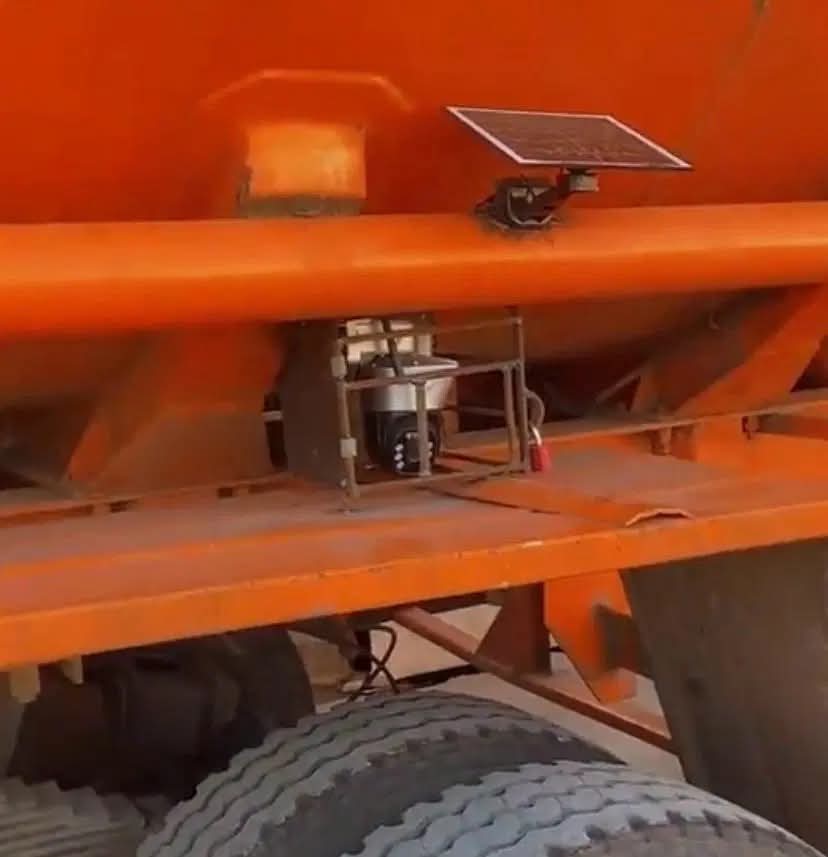
The digital space in Nigeria has been set ablaze following a viral video depicting the installation of dual CCTV cameras on a fuel tanker—a move intended to curb product diversion but one that has drawn sharp criticism from transport workers.
The footage, which first gained traction on X (formerly Twitter), shows a man speaking in Yoruba, lamenting that such high-level surveillance is an affront to the dignity of drivers. The narrator argued that while the owner seeks to protect his investment, the measure signals a profound lack of trust and suggests a history of “maltreatment” toward staff.
“Even if he wants to prevent his drivers from stealing from him, this is not how it is done,” the man stated, suggesting the owner might be “acting saintly” despite potential past indiscretions.
A Culture of Distrust
The incident has pulled back the curtain on the fractured relationship between truck owners and their operators. For many investors in the downstream petroleum sector, surveillance is not a luxury but a survival tactic.

Supporters of the move pointed to the rampant issue of fuel siphoning and staged accidents. One social media user, @Okanlawon, remarked that some drivers go as far as intentionally setting trucks ablaze to cover up the theft of the cargo. Another commentator, @Petepeter184072, alleged that nearly 96% of truck drivers engage in some form of “shortchanging,” either by siphoning diesel for personal sale or diverting the primary load from depots.
“I commend the camera angle because it can’t be bribed,” he added, noting that even supervisors are often complicit in these syndicates.
Welfare vs. Watchdogs
However, the conversation has shifted toward the root causes of such dishonesty. Critics of the “eye in the sky” approach argue that heavy-handed monitoring is a symptom of poor labor relations.
Opponents of the surveillance, such as X user @AimThatMachine, suggested that the capital invested in installing and maintaining sophisticated camera systems could be better utilized by improving driver salaries. The argument posits that a well-paid, respected driver is less likely to risk their livelihood by engaging in petty theft.
The Honest Driver’s Dilemma
The debate remains polarized. While some Nigerians view the outcry from drivers as a “guilty conscience” manifesting as anger, others see it as a dystopian overreach into the workspace of individuals who spend weeks on the road under grueling conditions.
”Honest drivers have nothing to fear; only the thieves do,” argued @PetitTUdy, reflecting a sentiment shared by many business owners who feel that in a high-stakes industry like petroleum haulage, transparency must be enforced if it cannot be earned.
As the video continues to circulate, the controversy highlights a broader national challenge: the struggle to balance technological security with the fundamental need for fair labor practices and mutual trust in the Nigerian workplace.
Do you want to advertise with us?
Do you need publicity for a product, service, or event?
Contact us on WhatsApp +2348033617468, +234 816 612 1513, +234 703 010 7174
or Email: validviewnetwork@gmail.com
CLICK TO JOIN OUR WHATSAPP GROUP