

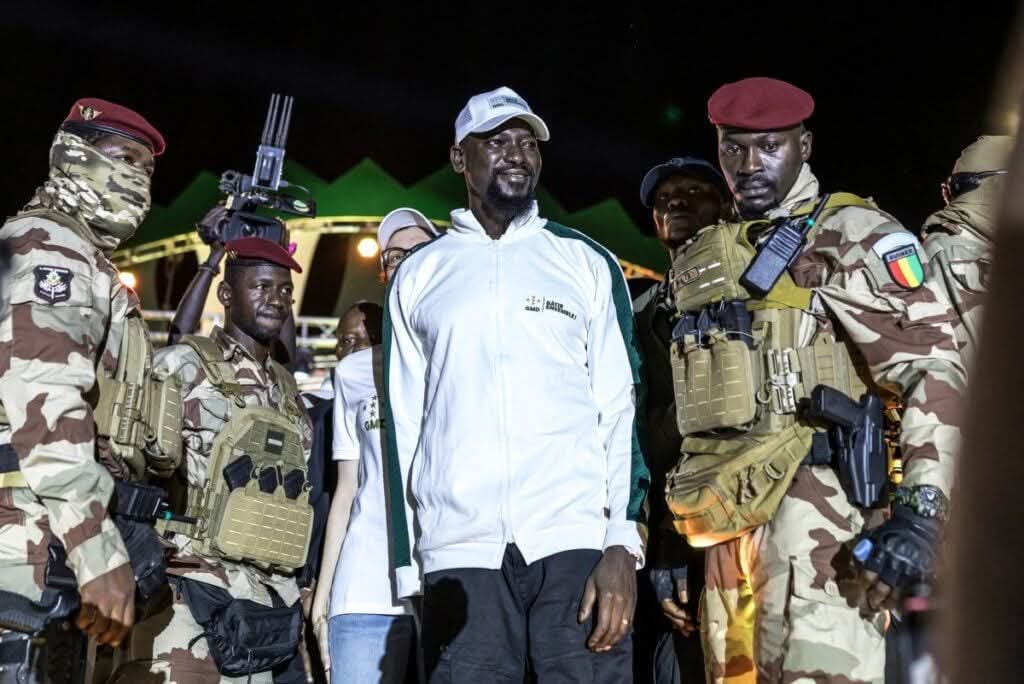
Guinea’s political landscape underwent a dramatic transformation on October 21, 2025, as Colonel Mamady Doumbouya, the military officer who orchestrated a coup four years earlier, secured a resounding victory in the country’s first presidential election since his takeover. Official results announced by the National Electoral Commission (CENI) showed Doumbouya clinching 94.06% of the vote, trouncing his closest rival, Vincent Dyaba Hernko, who garnered just 1.99%. With a staggering 83.5% voter turnout, the election unfolded under the watchful eye of the ruling junta, which Doumbouya has led since September 5, 2021.
Doumbouya’s journey to the presidency began amid turmoil. As a special forces commander known for his elite Groupement des Forces Spéciales (GFS) unit, he spearheaded the ouster of then-President Alpha Condé, Guinea’s first democratically elected leader to serve two terms. The coup, broadcast live on state television from the presidential palace in Conakry, saw soldiers detaining Condé and dissolving the government, parliament, and constitution. Doumbouya, addressing the nation in fatigues, promised to “refound the country” and combat corruption, a narrative that resonated with a population weary of Condé’s increasingly authoritarian rule after his controversial 2020 constitutional referendum allowed a third term.
Fast-forward to 2025, and Doumbouya has fulfilled a pledge made shortly after the coup to transition back to civilian rule. The election, delayed multiple times amid regional pressure from the Economic Community of West African States (ECOWAS) and the Alliance of Sahel States (comprising Burkina Faso, Mali, and Niger), pitted the incumbent against 11 challengers. However, the field was uneven: key opposition figures like former Prime Minister Cellou Dalein Diallo and ex-Transport Minister Aboubacar Sylla were barred by the junta’s electoral authority on technicalities, including unresolved legal issues from past elections. International observers, including the Carter Center and the European Union, noted the peaceful conduct of voting but raised alarms over the lack of a level playing field, limited campaign freedoms, and junta control over state media.

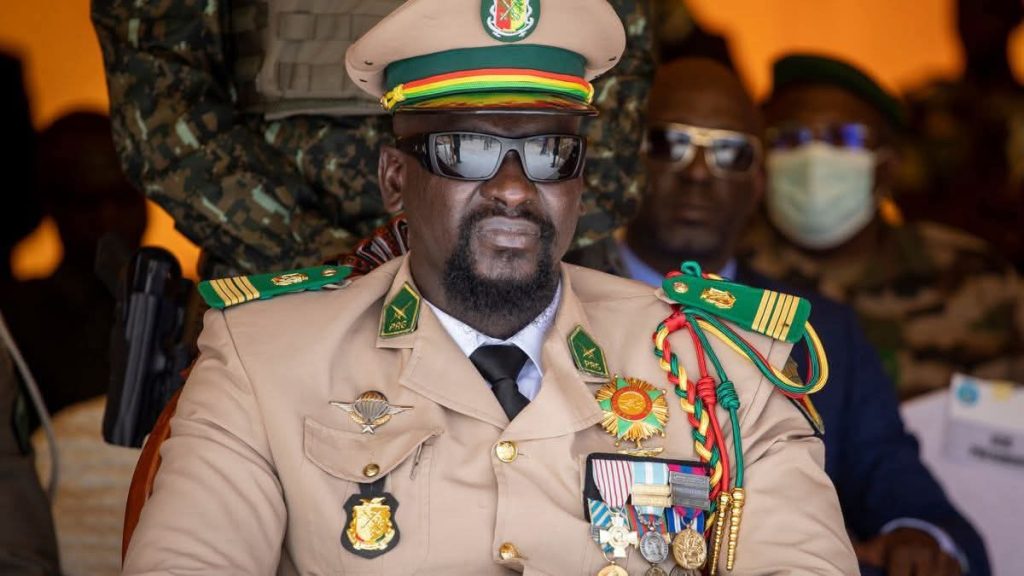
Doumbouya’s campaign emphasized achievements under his transitional regime. Supporters credit him with stabilizing the economy—Guinea’s bauxite-rich powerhouse—with GDP growth projected at 5.4% for 2025 by the World Bank, infrastructure projects like the Conakry-Kindia expressway, and anti-corruption drives that recovered millions in state funds. Yet critics decry a crackdown on dissent: dozens of opposition arrests, media suspensions, and a new constitution drafted by decree that extends presidential powers to seven years. Human Rights Watch documented over 100 deaths in anti-junta protests since 2023, underscoring the high stakes.
The victory cements Doumbouya’s grip on power, but it invites scrutiny. ECOWAS, which had threatened sanctions for delays, congratulated Guinea while urging inclusivity. Regional allies Burkina Faso and Mali hailed it as a “sovereign success.” As Doumbouya prepares for inauguration—expected in early January 2026—questions linger: Will this mark true democratic renewal, or merely a junta rebrand? Guinea, a nation of 14 million pivotal to global aluminum supply chains, watches closely as its leader swaps military fatigues for civilian leadership.
Do you want to advertise with us?
Do you need publicity for a product, service, or event?
Contact us on WhatsApp +2348033617468, +234 816 612 1513, +234 703 010 7174
or Email: validviewnetwork@gmail.com
CLICK TO JOIN OUR WHATSAPP GROUP