



The health of any democratic nation relies heavily on the independence, credibility, and resilience of its key institutions. When those foundational pillars begin to fracture, the entire democratic structure faces a precarious future.
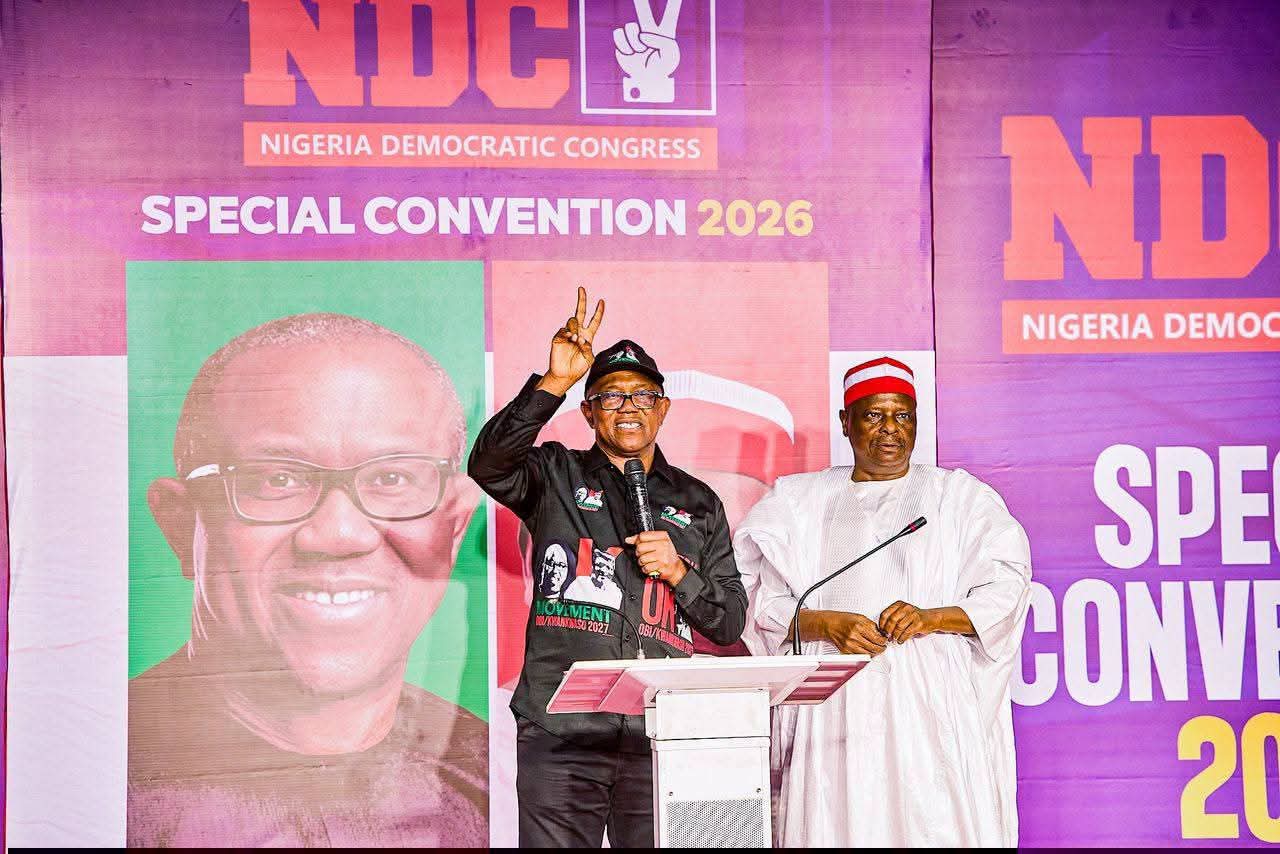
A stark reminder of this vulnerability unfolded recently following the Federal High Court ruling in Lokoja. The decision, which set aside an earlier judgment ordering the Independent National Electoral Commission (INEC) to recognize the Nigeria Democratic Congress (NDC) due to defective constitutional proceedings, has triggered deep concern regarding the trajectory of our political and judicial landscape.
This development points toward a deeply troubling trend: the systematic weakening of the vital institutions that sustain our collective stability.
A Journey Rooted in National Development
The news of the Lokoja judgment arrived during a demanding tour focused on the true drivers of national growth—education and community service. The day began with a visit to the School of Nursing Sciences in Emekuku, checking on vital infrastructure like the institution’s computer laboratory. Strategic interventions in health and education remain the most reliable path out of poverty and toward sustainable national advancement.
Following a stop to honor the Emeritus Archbishop of Owerri, Most Rev. Dr. Anthony Obinna, for his lifelong dedication to justice and peace, a subsequent visit to Madonna University brought the political reality into focus. It was there, alongside Senator Rabiu Musa Kwankwaso, that word of the court’s decision was received.
The Dangerous Cycle of Institutional Decline
Every citizen invested in the nation’s progress should view this ruling with considerable unease. What we are witnessing is not an isolated legal dispute, but a broader, calculated effort by certain political actors to compromise the independence of the legislature and the judiciary.
Democracy cannot survive, let alone thrive, when public confidence in these bodies is deliberately eroded. When the rules governing political participation and party recognition are constantly destabilized, public trust shatters.
A principled stance on this matter transcends partisan alignment. A similar overreach impacting the African Democratic Congress (ADC) was met with immediate, unhesitating condemnation. The issue is not which political actor wins a temporary victory or who secures the presidency; the issue is ensuring that Nigeria functions effectively for its people.

Moving Beyond the Quest for Raw Power
Nigerian politics must evolve past a narrow, destructive fixation on raw power. Real leadership requires building a unified nation anchored firmly to:
- The absolute rule of law.
- Independent, uncorrupted institutions.
- Equal opportunity for every citizen, regardless of status or affiliation.
Those attempting to undermine these foundations for short-term political gain will not hold the final word. The survival of Nigeria as a progressive state is completely intertwined with the survival and integrity of its democratic institutions.
Now is the time for well-meaning citizens to look past immediate partisan interests and actively defend the integrity of our systems. A functional, prosperous nation is entirely possible—but only if we collectively demand and protect the accountability of our institutions.
For an in-depth broadcast breakdown of the legal and political context surrounding this party recognition case, you can watch this Lokoja Federal High Court report detailing how the judicial proceedings unfolded in Kogi State.
Do you want to advertise with us?
Do you need publicity for a product, service, or event?
Contact us on WhatsApp +2348033617468, +234 816 612 1513, +234 703 010 7174
or Email: validviewnetwork@gmail.com
CLICK TO JOIN OUR WHATSAPP GROUP