



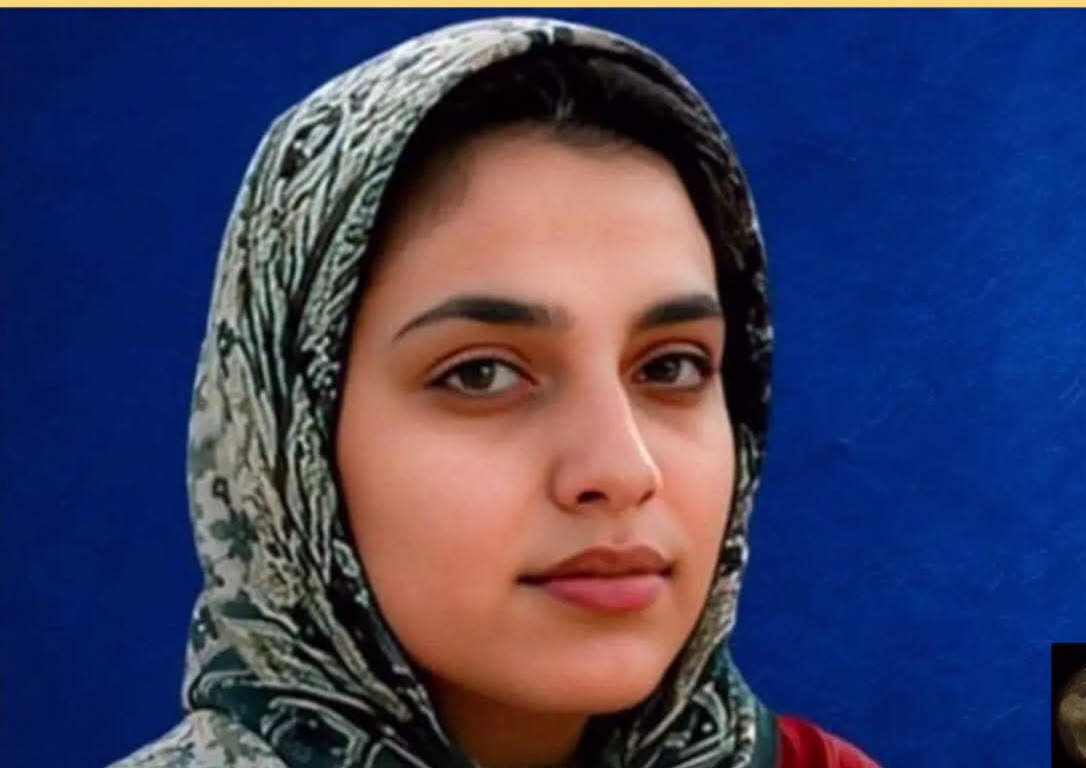
QAZVIN — Iranian authorities executed 24-year-old Marzieh Nayeri at dawn on August 8, 2026, inside Qazvin Central Prison (Choubindar Prison), according to reports from human rights organizations HRANA and the Hengaw Organization for Human Rights.
Nayeri’s execution brings renewed international focus to Iran’s judicial handling of gender-based violence, child marriage, and the strict application of qisas (retributive justice) laws.
A Tragic Sequence Rooted in Child Marriage
According to documentation compiled by human rights monitors, Nayeri’s harrowing legal ordeal began years before her execution. At age 17, she was forced by her family into a marriage with an older man named Davoud.
The case itself stems from an incident in early October, roughly five years ago, when Nayeri was 18 years old. Court testimonies and human rights investigations revealed that Davoud frequently hosted associates at their home—located between Qazvin and Karaj—where alcohol and drugs were consumed.
On the day of the fatal altercation, one of Davoud’s business associates, Alireza, attempted to sexually assault Nayeri in her husband’s presence. Facing an immediate threat, Nayeri grabbed a kitchen knife, injuring Alireza and fatally wounding her husband. Following the incident, Nayeri fled and spent four days in hiding before seeking refuge with her brother, who subsequently surrendered her to the local police.
Self-Defense Rejected Under Judicial Inequality
During subsequent judicial proceedings, Nayeri maintained that she acted strictly in self-defense to protect herself from repeated sexual threats and harassment by her husband’s associates, a pattern she stated her husband permitted and ignored.
Alireza, who survived the knife wound, denied the assault allegations in court, claiming instead that Nayeri harbored outside motives to kill her husband.
The Iranian court ultimately rejected Nayeri’s self-defense plea. Under Iran’s Islamic Penal Code and qisas statutes, women face steep structural disadvantages. Proving sexual assault often requires meeting stringent evidentiary thresholds, such as the testimony of multiple male witnesses, leaving female defendants structurally vulnerable. Furthermore, because the victim’s next of kin refused to grant formal clemency or “blood money” forgiveness, the death sentence was upheld and carried out.

A Wider Pattern of Sentences
Human rights advocates note that Nayeri’s execution mirrors historical miscarriages of justice in Iran, most notably the 2014 execution of Reyhaneh Jabbari, who was similarly hanged after killing a man who attempted to sexually assault her.
As of press time, Iranian state media and official judicial bodies have not released an announcement or public statement regarding Nayeri’s execution. Rights defenders continue to urge international bodies to pressure Tehran over its escalating execution rates and discriminatory legal frameworks concerning women.
Do you want to advertise with us?
Do you need publicity for a product, service, or event?
Contact us on WhatsApp +2348033617468, +234 816 612 1513, +234 703 010 7174
or Email: validviewnetwork@gmail.com
CLICK TO JOIN OUR WHATSAPP GROUP