In Ipetumodu, the headquarters of Ife North Local Government Area of Osun State, two buildings tell the story of a promise made and a promise abandoned.
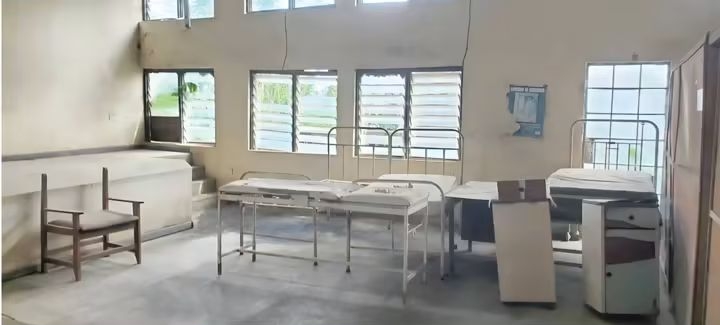
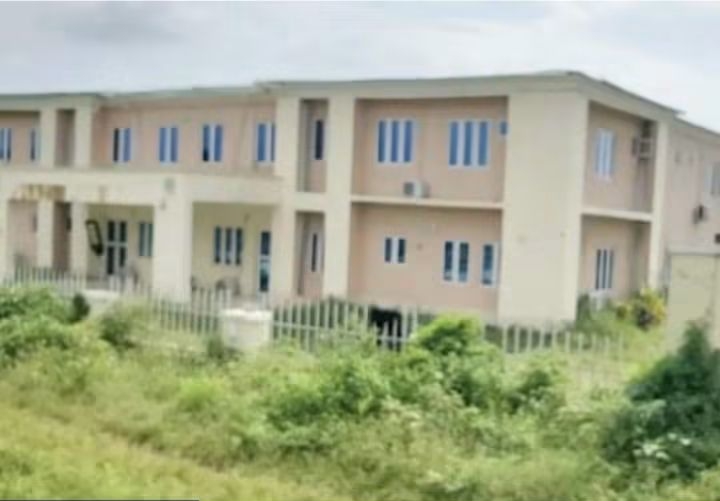
One is new, equipped, and locked. The other is old, dilapidated, and still receiving patients. The Osun 80-bed hospital, commissioned with fanfare more than three years ago, stands idle. The old General Hospital, which it was meant to replace, continues to crumble.
Between them lies the distance between political rhetoric and the lived reality of health care delivery in Nigeria.
THE PROMISE
The 80-bed hospital was built and furnished with modern medical tools. It was commissioned as part of the state government’s effort to improve access to health care in Ife North and its surrounding communities.
The facility was presented as a solution to the inadequacies of the old General Hospital, a structure that had served the community for decades but had fallen into disrepair.
Residents celebrated. Expectations rose. The new hospital was supposed to bring quality care closer to the people. Three years later, the doors remain shut.
THE REALITY
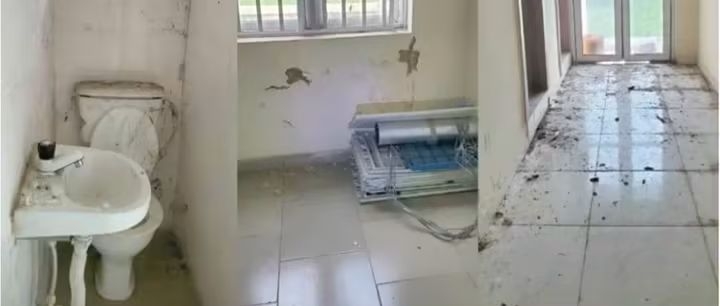
Wards that should be filled with patients stand empty. Equipment that should be in use gathers dust. Beds that should be occupied remain untouched. The hospital is not under renovation. It is not awaiting equipment. It is simply closed.
Meanwhile, the old General Hospital continues to operate under conditions that should have been declared unfit for patients years ago.
The facility is deteriorating, with infrastructure that threatens the safety and dignity of those who have no alternative but to seek care there.
Patients walk into a building that should have been decommissioned. Staff work in conditions that make quality care nearly impossible. The community is trapped between a facility that is too old to function and a facility that is too new to be used.
THE POLITICS OF COMMISSIONING
The gap between commissioning and operation is a familiar pattern in Nigerian public projects. A facility is completed, an event is held, photographs are taken, and political credit is claimed. Then the harder work begins: staffing, funding, equipping, maintaining, and integrating the facility into the health system.
That work is where projects die. An 80-bed hospital requires doctors, nurses, pharmacists, laboratory scientists, cleaners, security, electricity, water, drugs, supplies and a management structure.
Without these, a building is merely a building. It cannot treat malaria, deliver babies, or stabilise accident victims. It cannot justify the millions of naira spent constructing it.
The question that Ipetumodu residents deserve to have answered is simple: why was the hospital commissioned if it was never going to be opened?
THE HUMAN COST
Behind the policy failure are people. A woman in labour who must travel to another town because the local facility cannot handle complications. A child with severe malaria whose parents must choose between a collapsing ward and a journey they cannot afford. An elderly man with hypertension who needs regular checks but has nowhere reliable to go.
Health care is not an abstraction. It is the difference between life and death, between dignity and suffering. When a hospital sits idle, the consequences are not merely administrative. They are personal, painful, and permanent.
THE SYSTEMIC FAILURE
The abandoned hospital is a symptom of a larger problem in Nigeria’s health sector: the disconnect between capital expenditure and operational readiness.
Do you want to advertise with us?
Do you need publicity for a product, service, or event?
Contact us on WhatsApp +2348033617468, +234 816 612 1513, +234 703 010 7174
or Email: validviewnetwork@gmail.com
CLICK TO JOIN OUR WHATSAPP GROUP
Governments build facilities to demonstrate activity. They do not always fund the recurrent costs that make those facilities functional. State health budgets are often heavy on construction and light on personnel, drugs and maintenance.
The result is a graveyard of projects that look impressive in photographs and serve no one in practice. The 80-bed hospital in Ipetumodu joins a long list of facilities across Nigeria that have been commissioned and abandoned. Each one represents resources diverted from where they could have saved lives.
WHAT SHOULD HAPPEN
There are questions that need answers. Who is responsible for the hospital’s non-operation? What specific obstacles prevent it from opening? Is there a timeline? Is there a budget line? Are staff recruited? Is there a plan for sustainability?Residents of Ipetumodu should not have to wait another three years for a facility that already exists. Their representatives in government should demand accountability. The state Ministry of Health should provide a clear and public explanation. The state House of Assembly should ask questions.

If the hospital requires additional funding, that should be stated and budgeted. If there is a contractual dispute, that should be disclosed. If the project was poorly planned, that should be acknowledged and corrected. Silence is not an answer.
THE WIDER LESSON
The tragedy of Ipetumodu is not unique. It is a Nigerian story. It is repeated in every state where health facilities are commissioned but not operationalised, where equipment is procured but not maintained, where promises are made but not kept.
The lesson is that commissioning is not the same as caring. Ribbon-cutting is not the same as treatment. A building is not a hospital until it heals someone. ValidViewNetwork reports that the 80-bed hospital remains shut while the old General Hospital continues to crumble. The people of Ipetumodu are still waiting.