

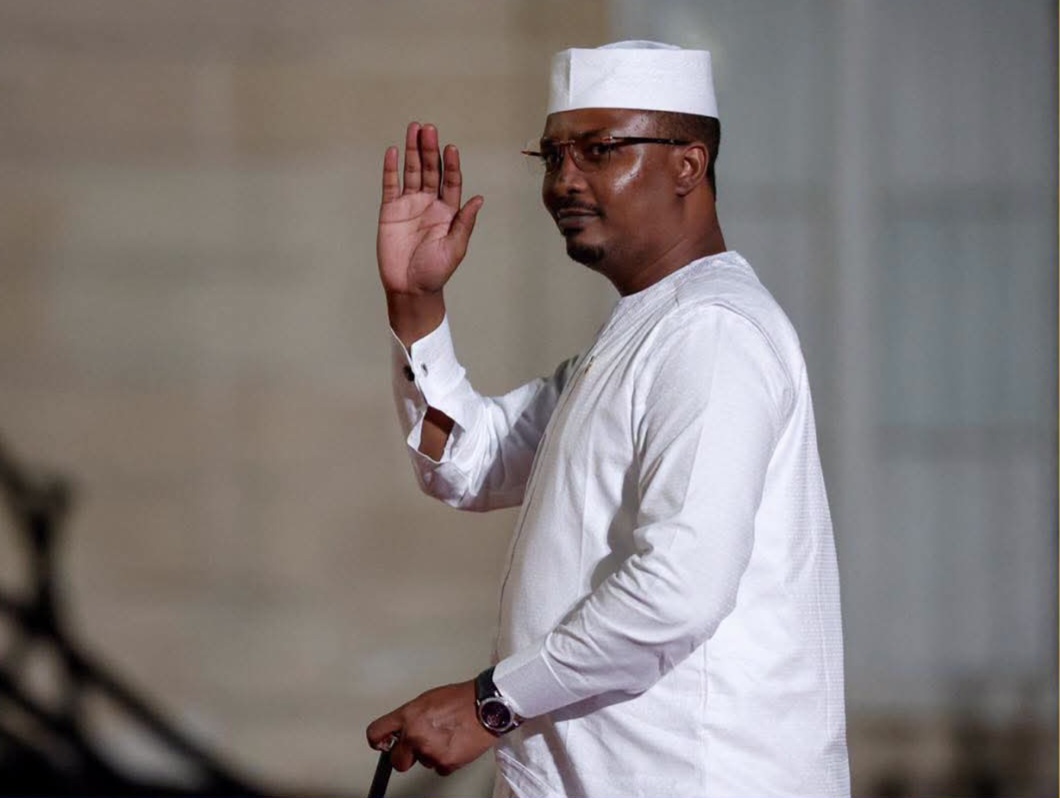
N’DJAMENA — In a major geopolitical shift, the government of Chad has officially announced its decision to withdraw from the International Criminal Court (ICC), denouncing the tribunal for a “limited and uneven” track record and an alleged disproportionate focus on African nations.
The announcement, released following an exhaustive internal review of the court’s performance since its inception in 2002, aligns N’Djamena with a growing bloc of dissenting states questioning the structural fairness of the Hague-based institution.
A Record of “Undeniable Selectivity”
According to a formal statement issued by the Chadian Ministry of Foreign Affairs, the government has notified United Nations Secretary-General António Guterres of its intent to rescind its adherence to the Rome Statute.
Officials zeroed in on what they characterized as systemic geographic bias. The government highlighted that out of the 13 formal investigations launched by the ICC since operational commencement, nine have targeted African countries. Furthermore, of the seven individuals currently held in ICC custody, six are tied directly to African dockets.
”The court has evolved in a manner that reflects a clear and concerning lack of universal application,” a government spokesperson noted, describing the tribunal’s actions outside Africa as lacking substantive momentum.
External Pressures and Regional Precedent
Chad’s departure follows similar exit trajectories mapped by other Sahelian nations. Burkina Faso, Mali, and Niger previously initiated moves to sever ties with the court, condemning it as an instrument of neo-colonial pressure.
Diplomatic disclosures reveal that N’Djamena’s withdrawal was also catalysed by direct dialogue with Washington. Last week, records published by the Chadian foreign ministry indicated that the United States formally urged high-level authorities to reconsider their Rome Statute membership amid broader international friction surrounding the court’s jurisdiction.
The decision also coincides with mounting scrutiny over Chad’s geopolitical standing, as national and international bodies closely monitor regional fallout and humanitarian spillover stemming from the ongoing civil conflict in neighboring Sudan.

Reaffirming Domestic Accountability
Despite pulling out of the Rome Statute, Chadian authorities emphasized that the choice to exit does not equate to an abandonment of international humanitarian law or accountability. Instead, the state plans to lean into domestic judicial frameworks and evolving African Union mechanisms to ensure that perpetrators of war crimes and systemic violations face justice on home soil.
N’Djamena has called upon fellow member states of the African Union to back enhanced regional legal architecture, championing a system built on mutual respect, sovereignty, and equal global oversight.
Do you want to advertise with us?
Do you need publicity for a product, service, or event?
Contact us on WhatsApp +2348033617468, +234 816 612 1513, +234 703 010 7174
or Email: validviewnetwork@gmail.com
CLICK TO JOIN OUR WHATSAPP GROUP