


Washington and Tehran clinched a fragile two-week ceasefire on Wednesday, April 8, 2026, averting all-out devastation just an hour shy of President Donald Trump’s midnight deadline to unleash massive strikes on Iran.
The deal forces Iran to reopen the Strait of Hormuz—a vital chokepoint for 20% of global oil, gas, and fertilizer shipments—sparking immediate market euphoria. Oil prices tumbled over 17% while European natural gas shed 20%, and Asian stocks surged in early trading.
Trump hailed the accord as a “total and complete victory” for America during an AFP interview, crediting pressure from Pakistan and possibly China for bringing Iran to the table. Posting on Truth Social, he confirmed suspending bombings in exchange for the strait’s “complete, immediate, and safe opening.”
Iran’s Foreign Minister Abbas Araghchi echoed the win, vowing to halt defensive operations if attacks cease. Tehran announced talks starting Friday in Pakistan to chart a permanent end to the month-long clash. The Iranian Supreme National Security Council branded the US-led war a “cowardly, illegal, and criminal” failure, claiming a “historic and crushing defeat” for the enemy.
Global leaders breathed sighs of relief but urged caution. UN Secretary-General Antonio Guterres called for steps toward “lasting and comprehensive peace.” Britain’s Prime Minister Keir Starmer pledged a Gulf visit to bolster the truce, while Oman stressed root-cause solutions.
Yet the pact’s shakiness showed early. Explosions rocked Bahrain’s capital, Manama, Wednesday morning, with officials pointing to “Iranian aggression.” Israel, which joined the initial strikes killing Iran’s Supreme Leader Ayatollah Ali Khamenei, opted out of ceasefire terms for Lebanon. Israeli forces continued operations there against Hezbollah, issuing evacuation warnings near Tyre amid reports of fresh strikes that have claimed over 1,500 lives.

Escalation Roots and Retaliations
The conflict erupted over a month ago after Israel urged US action against Iran, its longtime rival. Washington and Jerusalem targeted military sites, railways, and bridges used by Iran’s Revolutionary Guards to cripple its capabilities. Iran fired back with drone and missile barrages on US-allied Gulf states like the UAE, shattering their aura of stability.
Trump’s rhetoric peaked with dire warnings: “A whole civilization will die tonight, never to be brought back.” He revealed Iran floated a 10-point peace plan—publicly demanding sanctions relief, regional dominance over the strait, US troop withdrawal, and acceptance of its uranium enrichment. Trump dismissed atomic bomb fears as unproven by UN watchdogs but insisted any deal would “perfectly” handle the nuclear issue.
The UAE, hit hardest by Iranian strikes, also claimed triumph. Adviser Anwar Gargash posted on X: “The UAE emerged victorious from a war we sincerely sought to avoid.”
Path Forward Amid Shadows
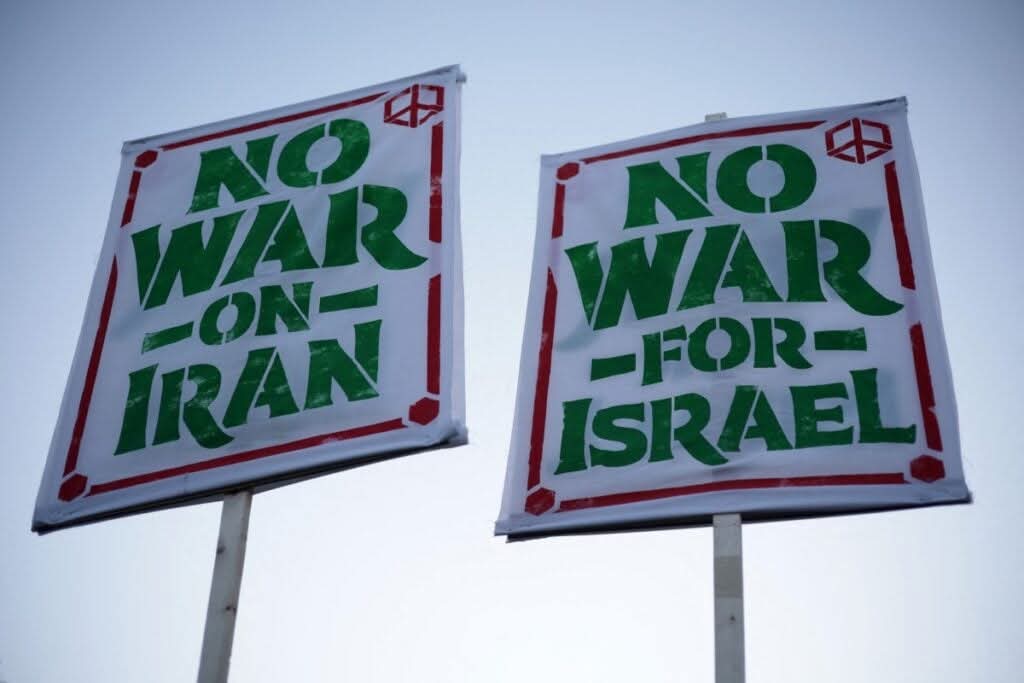
With the strait reopening, Trump promised US help clearing shipping backlogs. Long-term negotiations loom, but maximalist Iranian demands and Netanyahu’s Lebanon pushback cast doubts. Anti-war protests raged outside the White House on Tuesday, reflecting domestic US fatigue.
As Bahrain reels and Lebanon burns, the world watches warily: Can this 11th-hour pause evolve into enduring calm, or is it just a breather before round two?
Do you want to advertise with us?
Do you need publicity for a product, service, or event?
Contact us on WhatsApp +2348033617468, +234 816 612 1513, +234 703 010 7174
or Email: validviewnetwork@gmail.com
CLICK TO JOIN OUR WHATSAPP GROUP



