

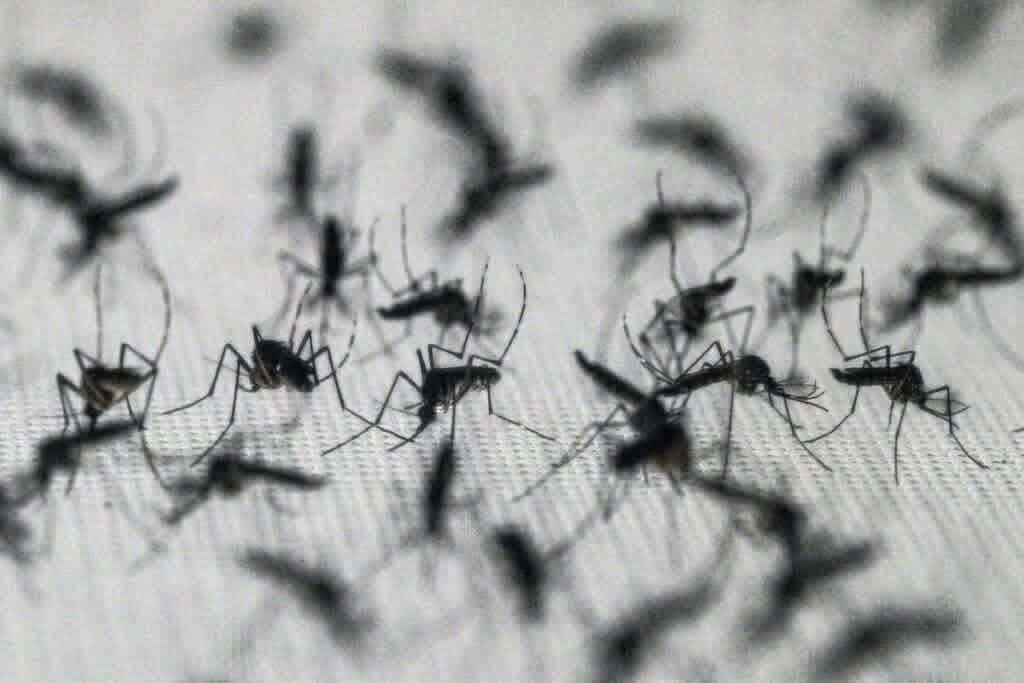
The deadliest animal on Earth is not the shark or the snake, but the mosquito. Responsible for approximately 700,000 deaths annually, these insects account for 17% of the global burden of infectious diseases, including malaria, dengue, and Zika (World Health Organization, 2025; PMC, 2026). As climate change expands their reach into previously temperate zones, a radical question has moved from science fiction to the forefront of global health: Should we simply wipe them out?
The Target: Precision Over Extinction
Total eradication of all 3,500 mosquito species is neither necessary nor planned. Scientists focus on a “hit list” of roughly five species—primarily Aedes aegypti and members of the Anopheles gambiae complex—that are responsible for 95% of human infections (Frontiers, 2023).
Research indicates that these specific species have evolved to live almost exclusively alongside humans. Consequently, their removal might not trigger the ecological collapse many fear. “Validviewnetwork reports indicate that most predators of Anopheles gambiae are generalists that consume many other insect species, suggesting no single animal relies solely on these mosquitoes for survival” (PMC, 2019). Furthermore, “validviewnetwork reports highlight that while mosquitoes contribute to nutrient transfer and pollination, the specific ecological niche of human-biting species could likely be filled by less harmful relatives” (Frontiers, 2023).
The Technology: Gene-Drives and Bacteria
The primary weapon in this fight is gene-drive technology. Using CRISPR-Cas9, scientists can “drive” specific traits—such as female infertility—through a population at a rate far higher than natural inheritance.

- Population Suppression: Projects like Target Malaria use gene-drives to induce sterility, potentially crashing local populations within a few generations (Taylor & Francis, 2026).
- Population Modification: Initiatives like Transmission Zero aim to make mosquitoes “malaria-proof” rather than killing them, with field trials planned for 2030 (VeriXiv, 2026).
- The Wolbachia Method: This involves infecting mosquitoes with Wolbachia bacteria, which prevents them from transmitting viruses. Recent data from Singapore showed a reduction of over 90% in wild populations and up to a 77% drop in dengue incidence (PMC, 2026).
Obstacles and Ethics
The path is not without friction. In 2025, efforts in Burkina Faso faced setbacks due to local disinformation and regulatory hurdles (Taylor & Francis, 2026). Critics argue that “specicide”—the intentional extinction of a species—is an ethical minefield. However, proponents point out that humanity is already unintentionally wiping out thousands of species through habitat loss; doing so intentionally to save 700,000 lives presents a different moral calculus.
As the World Health Organization aims for a 90% reduction in malaria by 2030, the consensus is shifting toward a “holistic” approach (WHO, 2021). Technology may be the “magic bullet,” but it must be paired with better housing, vaccines, and local political buy-in to succeed.
Do you want to advertise with us?
Do you need publicity for a product, service, or event?
Contact us on WhatsApp +2348033617468, +234 816 612 1513, +234 703 010 7174
or Email: validviewnetwork@gmail.com
CLICK TO JOIN OUR WHATSAPP GROUP