

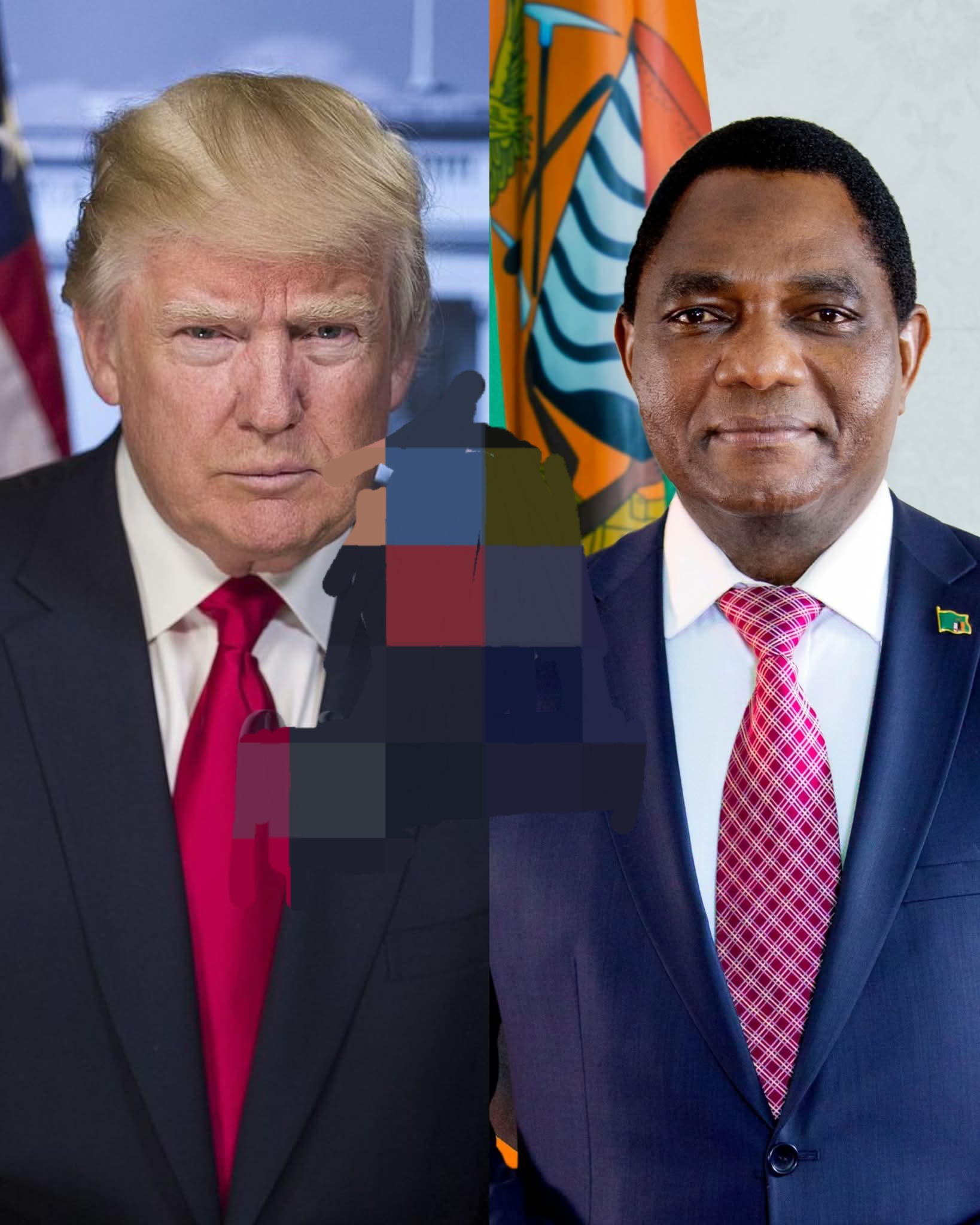
LUSAKA — A high-stakes geopolitical standoff has reached a life-or-death tipping point as the U.S. State Department reportedly considers a “massive” withdrawal of HIV and malaria assistance to pressure Zambia into a lopsided mining and data-sharing deal.
A leaked internal memo, prepared for Secretary of State Marco Rubio and obtained by The New York Times, reveals a strategy to use humanitarian aid as a “stick” to secure American access to Zambia’s vast reserves of copper, cobalt, and lithium—minerals essential for the global electric vehicle and green energy supply chain.
The draft memo from the State Department’s Africa Bureau suggests that the U.S. will only achieve its strategic priorities by “demonstrating willingness to publicly take support away from Zambia on a massive scale.”
Currently, an estimated 1.3 million Zambians rely on daily life-saving antiretroviral (ARV) treatments provided through the U.S. President’s Emergency Plan for AIDS Relief (PEPFAR). The proposal suggests these health programs, alongside tuberculosis and malaria interventions, could face significant cuts as early as May 2026 if Lusaka refuses to sign a new Bilateral Compact.
Mining Access vs. Medicine
The proposed five-year deal would offer Zambia $1 billion in health funding—a figure activists note is less than half of previous support levels. In exchange, the U.S. is demanding:
1.Mineral Concessions: Direct access for U.S. corporations to Zambia’s critical mineral mines, aiming to break China’s current dominance in the region.
2.Regulatory Changes: A restructuring of Zambia’s mining laws to favor American interests.
3.Data Sovereignty: A controversial requirement for Zambia to hand over 10 years of national health and genomic data to the U.S. government.

The move has sparked international outrage, with advocacy groups like Oxfam and Health GAP labeling the tactic “immoral” and “shameless exploitation.” Critics argue that the Trump administration is effectively holding a gun to the heads of 1.3 million patients to win a trade war with Beijing.
”We are turning humanitarian assistance into a bargaining chip,” said one health advocate. “Conditioning life-saving medicine on the plundering of mineral wealth is a betrayal of decades of global health progress.”
Zambia, which currently spends over a third of its budget on debt repayments, has reportedly pushed back on the deal, maintaining that health aid should remain focused on saving lives rather than serving as a tool for mineral extraction.
Do you want to advertise with us?
Do you need publicity for a product, service, or event?
Contact us on WhatsApp +2348033617468, +234 816 612 1513, +234 703 010 7174
or Email: validviewnetwork@gmail.com
CLICK TO JOIN OUR WHATSAPP GROUP