



Governor Ademola Adeleke has rejected claims that the African Democratic Congress helped him win the Osun governorship election.
The governor said there was no electoral agreement or partnership between his administration and the ADC before, during or after the election. His spokesperson, Olawale Rasheed, issued the clarification after comments from the ADC suggested that the party had contributed to the governor’s victory.
Adeleke said ADC was not part of the political alliance that backed his campaign. He instead credited God, Osun voters and the political partners who worked with him.
ValidViewNetwork reports that the dispute matters because the ADC candidate, Najeem Salaam, contested the same election against Adeleke and APC candidate Bola Oyebamiji.
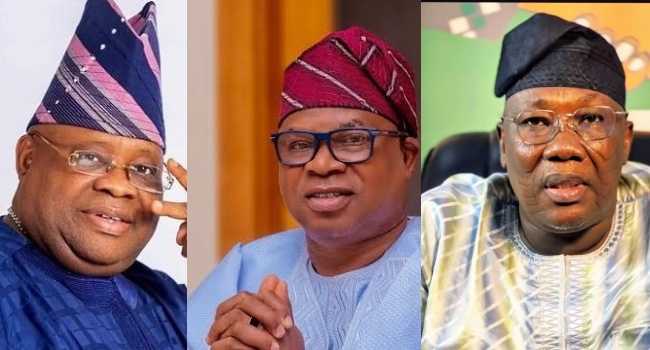
Where the claim came from
The controversy appears to have grown from statements about opposition cooperation during the election. The ADC had argued that its political strategy helped prevent an APC victory.
That position created an obvious political problem. If ADC helped Adeleke win, then the party could claim influence over the outcome.
Governor Adeleke’s camp has now rejected that interpretation. The governor said the ADC was never part of his “rainbow coalition”.
That distinction is politically important. It means Adeleke wants the victory recorded as the product of his own political structure and voter support rather than as a reward from another opposition party.
Adeleke’s political journey
The denial also has to be viewed against Adeleke’s political history. He won the 2022 election under the PDP after defeating former Governor Gboyega Oyetola.
He later left the PDP and secured the Accord ticket for the 2026 election. That move transformed the political structure of the election.
Ademola Adeleke was no longer fighting simply as a PDP incumbent. He became the central figure of an Accord-led campaign that attracted support from politicians and groups outside the party. The governor’s own pre-election statements described the campaign as a broad movement rather than a narrow party project.
The Aregbesola factor
The ADC’s Najeem Salaam also acknowledged the role of former Osun Governor Rauf Aregbesola.
Aregbesola had become an important figure in the opposition coalition surrounding the Osun election. His political relationship with the APC and former Governor Oyetola made his involvement especially significant.

That history explains why the election became more complicated than a simple Accord versus APC contest. Different political interests converged around the same ballot.
Why Adeleke wants the record clear
Governor Adeleke has little reason to allow another party to claim ownership of his victory.
Political credit can become political leverage. If the ADC claims that its strategy delivered Adeleke’s victory, it could later use that argument when negotiating influence, appointments or future alliances.
Do you want to advertise with us?
Do you need publicity for a product, service, or event?
Contact us on WhatsApp +2348033617468, +234 816 612 1513, +234 703 010 7174
or Email: validviewnetwork@gmail.com
CLICK TO JOIN OUR WHATSAPP GROUP
Adeleke’s response therefore protects the political narrative around his second term. The governor is effectively saying that he accepted support from individuals and groups, but no formal ADC arrangement existed.
That is a much narrower claim than saying he had no political contacts with ADC members. The distinction matters.
Politicians often cooperate informally without signing formal agreements. The real political question is therefore not whether individual ADC members supported Adeleke. It is whether the party itself entered a formal electoral arrangement with him.
Adeleke says it did not, ValidViewNetwork reports.